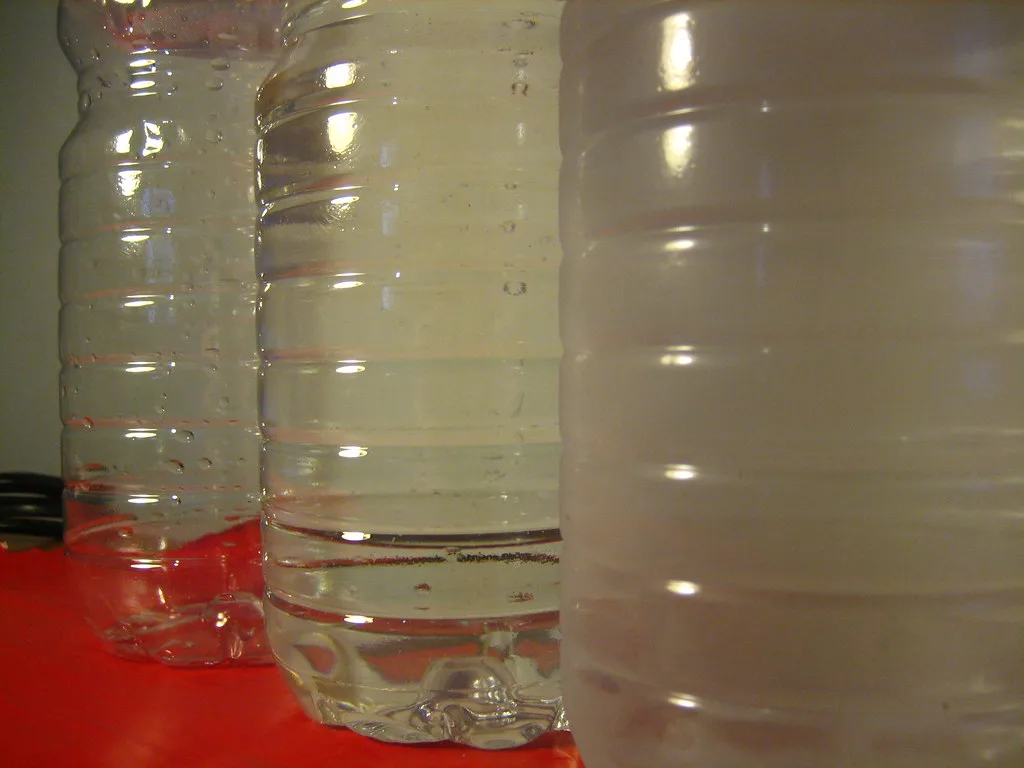
Microplastics are everywhere, and no one can avoid them completely. But the kitchen is where you have the most control, because it's where plastic touches the food and drinks you consume every day.
The good news is that a handful of simple swaps make a big difference, and most of them are one-time changes. This guide ranks 12 practical swaps by impact, with the research behind each one.
Why focus on the kitchen?
Heat, friction and time are what make plastic shed. The kitchen has all three: hot food in containers, knives cutting into boards, and drinks sitting in bottles. Research over the past few years has measured some striking numbers:
| Source | What researchers found |
|---|---|
| Plastic tea bags | About 11.6 billion microplastics and 3.1 billion nanoplastics per cup (McGill University, 2019) |
| Microwaving plastic containers | Up to 2.11 billion nanoplastics and 4.22 million microplastics per square centimeter in 3 minutes (University of Nebraska, 2023) |
| Bottled water | About 240,000 plastic particles per liter, mostly nanoplastics (Columbia University, 2024) |
| Plastic cutting boards | 1 to 15 particles per cut, up to about 50 grams per person per year (North Dakota State University, 2023) |
Scientists are still studying what these particles do in the body. A 2024 study in the New England Journal of Medicine found microplastics in artery plaque and linked them with a higher rate of heart attack and stroke, though it shows an association rather than proof of cause (summary in Nature Reviews Cardiology). Reducing the easy-to-avoid sources is a sensible step while the research continues.
This article is general information, not medical advice.
1. Stop microwaving food in plastic
Impact: very high. Heat is the biggest driver of plastic release. Researchers at the University of Nebraska–Lincoln found that microwaving plastic baby food containers could release as many as 4.22 million microplastic and 2.11 billion nanoplastic particles from just one square centimeter of plastic in three minutes, more than any other use they tested (Hussain et al., 2023).
The swap: reheat food in glass or ceramic dishes. "Microwave-safe" on plastic only means the container won't melt or warp, not that it won't shed particles.
2. Replace your plastic cutting board
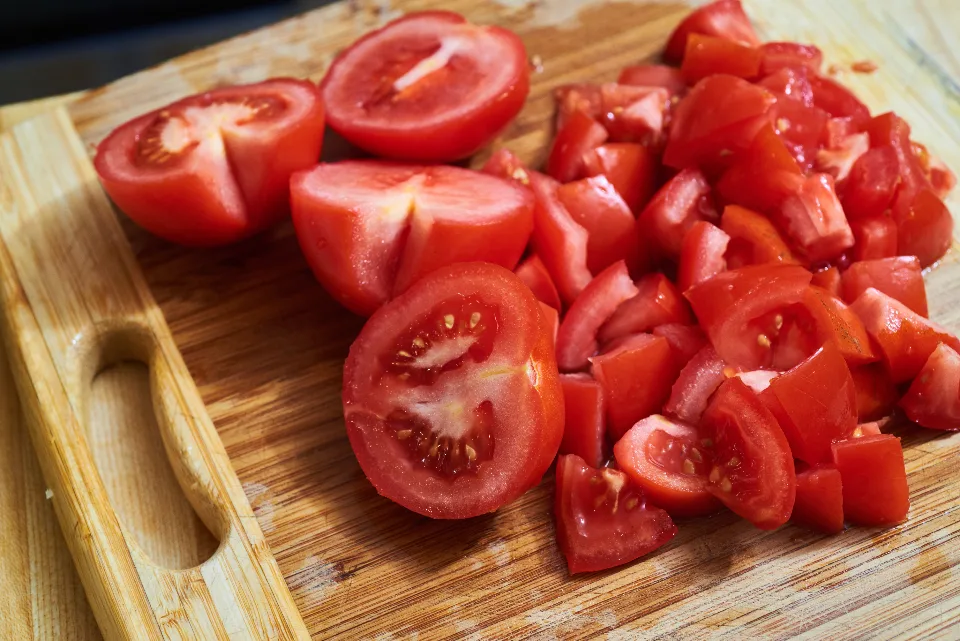
Impact: high, every day. A plastic board sheds particles with every cut, an estimated 1 to 15 per cut and up to around 50 grams a year per person (Yadav et al., 2023). It's one of the few sources you touch with a knife several times a day.
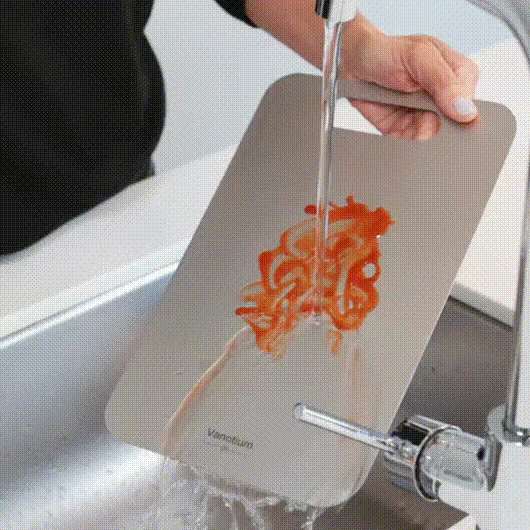
The swap: a titanium or solid wood board. Titanium is non-porous and dishwasher-safe, so it's ideal for raw meat and fish. Our pick is Vanotium. Read why in our best non-toxic cutting board guide and the full cutting board microplastics study breakdown.
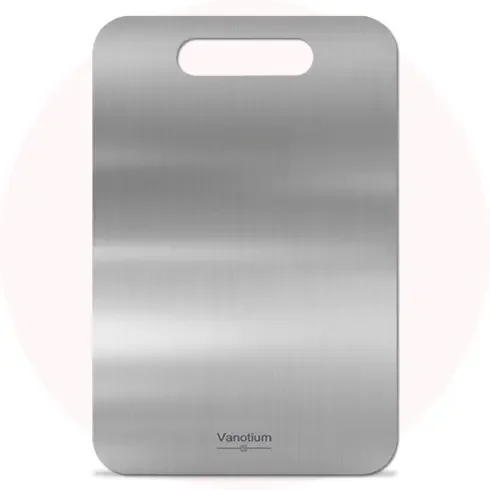
Swap #2: a plastic-free cutting board
Vanotium's titanium surface sheds no microplastics, doesn't absorb juices and goes in the dishwasher. 30-day money-back guarantee, from $42.77 per board.
Check today's Vanotium price →Ships in 5–7 days with tracking · 30-day guarantee
3. Filter tap water instead of buying bottled
Impact: high if you drink bottled water daily. Researchers at Columbia University used a new imaging method to count plastic particles in bottled water and found around 240,000 per liter, about 90% of them nanoplastics. That's 10 to 100 times more than earlier estimates, which could only see larger particles (NPR).
The swap: drink filtered tap water from a glass or stainless steel bottle. Don't leave plastic bottles in a hot car.
4. Choose plastic-free tea bags or loose-leaf tea
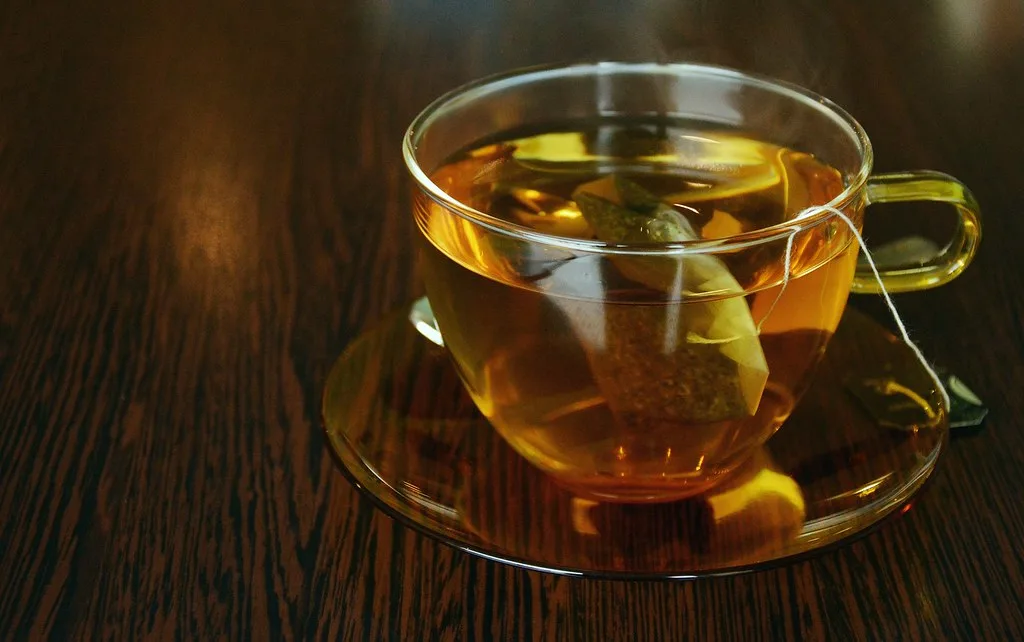
Impact: high for daily tea drinkers. A 2019 McGill University study found a single plastic tea bag steeped at brewing temperature released about 11.6 billion microplastics and 3.1 billion nanoplastics into the cup.
The swap: loose-leaf tea in a stainless steel infuser, or brands that use plastic-free paper bags. We cover it in detail in our guide to microplastics in tea bags.
5. Store food in glass or stainless steel
Impact: medium to high. Plastic containers shed more as they age, scratch and go through the dishwasher. Hot or fatty foods make it worse.
The swap: glass containers with snap lids, or stainless steel. Let food cool before storing it in any plastic you still use.
6. Use wood or stainless steel cooking utensils
Impact: medium. Plastic spatulas and spoons used on hot pans can soften and wear down over time.
The swap: wooden spoons and spatulas, or stainless steel tools. Silicone is more heat-stable than hard plastic if you need a flexible spatula.
7. Replace scratched non-stick pans
Impact: medium. Worn or scratched non-stick coatings can flake.
The swap: stainless steel, cast iron or carbon steel pans. If you keep non-stick, use it on low to medium heat with wooden utensils, and replace it once the coating is damaged.
8. Skip plastic wrap on hot or fatty foods
Impact: medium. Plastic wrap touching hot or oily food is a direct contact point.
The swap: beeswax wraps, a plate on top of a bowl, or containers with lids.
9. Hand-wash the plastics you keep
Impact: low to medium. High dishwasher heat and harsh detergent speed up wear on plastic items.
The swap: wash remaining plastic by hand in warm water, and replace items once they're scratched or cloudy.
10. Choose a kettle without plastic inside
Impact: low to medium. Boiling water in a plastic-bodied kettle every day means repeated hot contact with plastic.
The swap: a stainless steel or glass kettle with minimal plastic touching the water.
11. Buy less food packaged in plastic
Impact: varies. You can't control every package, but choosing glass jars, paper or loose produce cuts down on contact, especially for oily or acidic foods.
12. Vacuum and dust the kitchen regularly
Impact: low but real. Household dust contains microfibers from synthetic textiles, and some of it settles on surfaces and food. Regular cleaning helps.
Which swaps should you make first?
If you only do three things, do these:
- Stop heating food in plastic. It costs nothing and has the biggest impact.
- Replace your plastic cutting board. One purchase, used every day for years.
- Switch from bottled to filtered tap water. It saves money too.
Then work through the rest as items wear out. There's no need to throw everything away on day one.
How much does a plastic-free kitchen cost?
Less than you might think, because many of the swaps are habits rather than purchases:
| Swap | Cost |
|---|---|
| Reheat in glass or ceramic you already own | Free |
| Let food cool before storing | Free |
| Switch to loose-leaf tea | Often cheaper per cup |
| Filtered tap water instead of bottled | Saves money over time |
| Titanium cutting board | From $42.77 per board (Vanotium 4-pack) |
| Glass storage containers | Moderate, lasts for years |
How do you reduce microplastics for kids?
Children eat and drink more for their body weight than adults, so the same swaps matter even more:
- Never microwave baby food, milk or leftovers in plastic. Use glass or ceramic.
- Use glass or stainless steel bottles and sippy cups where possible.
- Prep kids' food on a plastic-free board.
- Choose stainless steel or glass lunch containers.
What doesn't work?
A few popular ideas don't help much:
- "Microwave-safe" plastic: it won't melt, but the Nebraska study tested containers sold as microwave-safe and still found large releases.
- "BPA-free" plastic: removing one chemical doesn't stop the plastic itself from shedding particles.
- Antibacterial plastic boards: they may slow bacterial growth, but they still shed microplastics with every cut.
What daily habits make the biggest difference?
Swaps are one-time decisions. These small habits keep the benefits going every day:
- Let food cool before it touches any plastic you still use.
- Pour hot drinks into ceramic or glass, not plastic travel cups.
- Keep a glass or steel water bottle with you so you're not tempted by bottled water.
- Replace plastic items as they wear out instead of buying new plastic versions.
- Prep on your plastic-free board and save any old plastic boards for non-food jobs.
None of this needs to be perfect. Each change takes a regular source out of your day, and together they add up.
How do you know your swaps are working?
There's no simple home test for microplastics, so the best measure is the habits themselves. A useful approach is to look at what touches your food and drinks most often each day, such as the cutting board, the water bottle, the mug and the containers you reheat in, and make sure those are plastic-free first. Those daily items add up far more than occasional exposures.
The bottom line
You can't avoid microplastics completely, but you can remove the biggest everyday sources in your kitchen: heating food in plastic, chopping on plastic, drinking from plastic bottles and steeping plastic tea bags. Start with the free habits, then make the one-time swaps that keep working for years.
The cutting board is the easiest place to start. Our recommended titanium board is Vanotium, with a 30-day guarantee. Check today's price on the official site.
Sources
- Hussain K.A. et al. (2023). Assessing the Release of Microplastics and Nanoplastics from Plastic Containers and Reusable Food Pouches. Environmental Science & Technology.
- NPR (2024). Researchers find a massive number of plastic particles in bottled water (Columbia University study, PNAS).
- Beyond Plastics. Is There Plastic In Your Tea? (McGill University 2019 study).
- Yadav H. et al. (2023). Cutting Boards: An Overlooked Source of Microplastics in Human Food? Environmental Science & Technology.
- Marfella R. et al. (2024), New England Journal of Medicine. Summary in Nature Reviews Cardiology.
Frequently asked questions
What is the biggest source of microplastics in the kitchen?
Heating food in plastic is one of the biggest. A University of Nebraska study found microwaving plastic containers could release billions of nanoplastics per square centimeter in three minutes. Bottled water, plastic tea bags and plastic cutting boards are other major everyday sources.
Is it safe to microwave food in plastic containers?
Microwave-safe plastic won't melt, but research shows heating plastic releases large numbers of micro- and nanoplastics. Reheating food in glass or ceramic dishes avoids this.
Does filtered tap water have fewer microplastics than bottled water?
A 2024 Columbia University study found around 240,000 plastic particles per liter in bottled water. Drinking filtered tap water from a glass or stainless steel bottle avoids the plastic bottle as a source.
What should I replace first to reduce microplastics?
Start with three changes: stop heating food in plastic, replace your plastic cutting board with titanium or wood, and switch from bottled to filtered tap water.
Is BPA-free plastic microplastic-free?
No. BPA-free only means one chemical has been removed. The plastic itself can still shed particles, especially when heated or scratched.
What is the best plastic-free cutting board?
We recommend a titanium board such as Vanotium: no microplastics, non-porous, dishwasher-safe and backed by a 30-day money-back guarantee.

Michelle Hert
Michelle is a home cook who cooks for a family every day and spends a lot of her free time reading the research behind the products that end up in our kitchens. She started Less Plastic Kitchen after the 2023 cutting board study made her look twice at the scratched plastic board on her own counter. Her guides are built on published studies, manufacturer specifications and verified buyer feedback, and she updates them when new information comes out. More about Michelle.