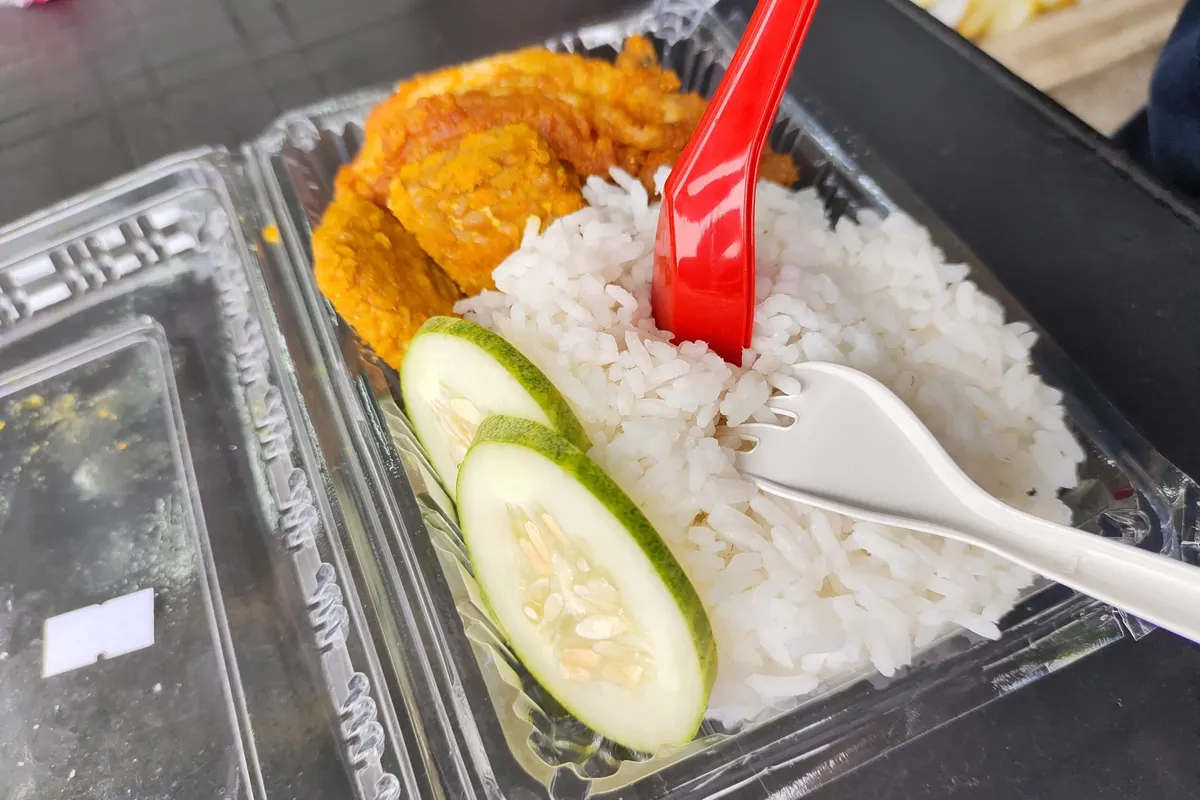
- Move food to a plate or glass container before reheating.
- Don't microwave takeout tubs, even if they look sturdy.
- Reuse them only for dry, cold items, or recycle them.
- Bring your own container to restaurants that allow it.
Takeout is part of modern life. A busy weeknight, a lunch at your desk, a weekend treat: food arrives in plastic tubs, clamshells and lids, often still steaming. Many people then microwave leftovers in the same containers the next day or wash and reuse them for months. It's convenient, but it raises a fair question: is all that plastic contact safe?
This guide explains what takeout containers are made of, when they release more particles and chemicals, what health agencies say, how to read recycling codes, and simple habits that keep the convenience of takeout while reducing plastic exposure.
What are takeout containers made of?
| Type | Common material | Notes |
|---|---|---|
| Black plastic trays and bowls | Polypropylene (#5) or polystyrene (#6) | Often made from recycled plastic |
| Clear clamshells and lids | PET (#1) or polystyrene (#6) | Not designed for heat |
| Round soup tubs | Polypropylene (#5) | Often labeled microwave-safe |
| Foam boxes | Expanded polystyrene (#6) | Avoid heating; banned in some cities |
| Paper boxes and cups | Paperboard, often with a plastic or PFAS lining | The lining touches food |
| Aluminum trays | Aluminum | No plastic; avoid acidic foods for storage |
Look for the number inside the recycling triangle on the bottom. It tells you the plastic type, though not whether the container is safe for heat.
Why is heating takeout in plastic a problem?
Heat makes plastic softer and can increase the release of microplastics, nanoplastics and additives into food. Harvard Health advises that if you're concerned, the safest approach is to microwave food in glass or ceramic containers rather than plastic, and notes that takeout tubs and containers not labeled microwave-safe shouldn't go in the microwave. Fatty foods like curries, fried rice and cheesy dishes and acidic foods like tomato sauces tend to pick up more from plastic. See is it safe to microwave plastic?
What does "microwave-safe" mean?
A microwave-safe label means the container is designed not to melt or warp under normal microwave use and that the material has been reviewed for food contact. The FDA regulates substances that come in contact with food. But "microwave-safe" doesn't mean nothing moves into food, and many takeout containers aren't labeled at all. Glass and ceramic remain the simplest choice for reheating.
Which chemicals are people concerned about?
- BPA and similar bisphenols, found in some plastics and linings. The NIEHS notes BPA can leach into food, especially at high temperatures.
- Phthalates, used to make some plastics flexible.
- Styrene, from polystyrene foam and clear clamshells.
- PFAS, sometimes used in grease-resistant paper packaging.
- Flame retardants, found in some black plastic made from recycled electronics, according to recent studies.
See is BPA-free plastic safe? and microplastics in food.
Can you reuse takeout containers?
Reusing a sturdy tub to store dry pasta, nuts or craft supplies is a good way to keep it out of the trash. Reusing it for hot food, oily leftovers or repeated microwaving is not a good idea. Takeout containers are designed for short, one-time use; with repeated washing, especially in the dishwasher, they scratch, cloud, warp and can release more particles. Replace any container that's cracked, scratched, cloudy or stained.
What are the safest takeout habits?
- Transfer food to a plate as soon as it arrives.
- Store leftovers in glass, not in the takeout tub.
- Reheat in glass, ceramic or on the stove, never in the takeout container.
- Skip the extras: plastic cutlery, sauce cups and bags you don't need.
- Bring your own container for leftovers when dining out.
- Choose restaurants with paper or reusable options when you can.
- Order dishes that travel well cold, like salads and sushi, if you're worried about heat.
Is foam takeout packaging worse?
Polystyrene foam is lightweight and keeps food warm, but it's made from styrene, and hot, fatty or acidic foods can pull more from it. Foam also breaks into tiny pieces easily and is hard to recycle, which is why many cities have banned it. If your food arrives in foam, transfer it right away and never microwave it.
Are paper takeout boxes better?
Paper boxes avoid a plastic tub, but many have a thin plastic lining or grease-resistant coating that touches food. Some grease-resistant coatings have historically used PFAS; the FDA has worked with manufacturers to phase out certain PFAS grease-proofing agents in food packaging, as described on its PFAS in food contact page. Paper is still a good step, but the same rule applies: move food to a plate before reheating. Pizza boxes and sandwich paper are generally low concern, since the contact is short.
How does cooking at home help?
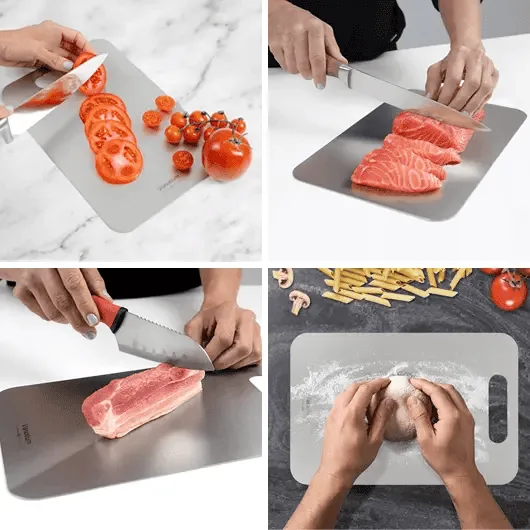
Every meal you cook at home lets you choose the materials your food touches: glass for storage, stainless steel or cast iron for cooking and a cutting board that doesn't shed plastic. That last one is easy to overlook. A 2023 study in Environmental Science & Technology found that chopping on plastic boards releases microplastics with every cut.
Vanotium is a titanium cutting board with a non-porous surface that sheds no plastic, doesn't hold juices or odors, is dishwasher-safe and resists scratches and warping. In October 2026 it was $66.66 for one board, $116.66 for two or $42.77 each in a four-pack, with a 30-day guarantee and tracked shipping in 5–7 days. Read our Vanotium review (4.6/5).

Cook more at home, with less plastic
Vanotium titanium cutting board: no plastic to shed, non-porous, dishwasher-safe and built to last. From $42.77 per board in multi-packs, with a 30-day guarantee.
Check today's Vanotium price →Ships in 5–7 days with tracking · 30-day guarantee
What's a plastic-free alternative to takeout?
If takeout is a habit because weeknights are busy, a little meal prep can replace some of it. Cook a big batch of rice, roast a sheet pan of vegetables and a protein on Sunday, and store portions in glass containers that go straight to the microwave (lid off) or oven. A few homemade "takeout" favorites, like stir-fries, fried rice and curries, take about the same time as waiting for delivery once you have prepped ingredients. See how to store food without plastic and glass vs plastic containers.
Should kids' food be handled differently?
Children eat more food for their body size, so it makes sense to be a little more careful with their meals. Move takeout to a plate or bowl before serving, avoid reheating in plastic and use stainless steel or glass containers for packed lunches. The same Harvard advice applies to everyone: glass and ceramic are the safest choices for heating.
What about coffee cups and lids?
Disposable coffee cups are usually paper lined with plastic, and lids are plastic. Hot drinks touch both. A reusable stainless steel or ceramic cup is an easy swap if your café accepts it. See microplastics in coffee.
Can takeout containers be recycled?
It depends on your local program. Many areas accept clean #1 and #5 containers, while black plastic and foam are often rejected because sorting machines can't detect them. Rinse containers, remove food scraps and check your city's recycling guide. Reducing how many you bring home is even better than recycling them. Many restaurants now let you skip extra packaging when ordering online, and some cities run reusable container programs where you return the box on your next visit.
How do you avoid takeout plastic at work?
Office lunches are a big source of single-use plastic. Keep a ceramic plate, a real fork and a glass container in your desk drawer. When you order, ask the restaurant to skip cutlery and sauce cups, transfer food to your plate before microwaving, and wash the container at the office sink. Packing lunch from home in glass or stainless steel a few days a week cuts plastic even further and saves money.
What about parties and leftovers from events?
Catered food, potlucks and holiday gatherings often mean trays of food sitting in plastic for hours and leftovers sent home in plastic tubs. A few habits help: serve hot dishes from ceramic, glass or stainless steel when you host, bring a couple of glass containers when you're a guest so you can take leftovers home without plastic, and let guests know they can bring their own. At the end of the event, move leftovers into glass before refrigerating. These are small steps, but events are where a lot of plastic contact happens at once.
The bottom line
Plastic takeout containers are fine for getting food home, but don't reheat, microwave or store food in them for long. Transfer food to a plate or glass container, reheat in glass or ceramic, reuse tubs only for dry, cold items and bring your own container when you can. Cooking more at home with plastic-free tools gives you the most control.
If you're ready to swap your plastic board, Vanotium is the one we recommend. Check today's Vanotium price and multi-pack deals.
Sources
- Harvard Health Publishing. Microwaving food in plastic: Dangerous or not?
- U.S. Food and Drug Administration. Authorized Uses of PFAS in Food Contact Applications.
- National Institute of Environmental Health Sciences. Bisphenol A (BPA).
Frequently asked questions
Can I microwave plastic takeout containers?
It's best not to. Move food to a glass or ceramic dish before reheating, especially fatty or acidic foods.
Is it safe to reuse takeout containers?
For dry, cold items, yes. Don't reuse them for hot food or repeated microwaving, and replace them when scratched or cloudy.
Are black plastic takeout containers safe?
Avoid heating food in them. Some studies have found flame retardants in black plastic made from recycled electronics.
Is foam takeout packaging safe?
Transfer food out of foam right away and never microwave it, since heat and fat can pull styrene into food.
Are paper takeout boxes better than plastic?
They're a good step, but many have plastic or grease-resistant linings, so still move food before reheating.
How else can I reduce plastic in my meals?
Cook more at home with glass storage and a plastic-free cutting board like the titanium Vanotium.

Michelle Hert
Michelle is a home cook who cooks for a family every day and spends a lot of her free time reading the research behind the products that end up in our kitchens. She started Less Plastic Kitchen after the 2023 cutting board study made her look twice at the scratched plastic board on her own counter. Her guides are built on published studies, manufacturer specifications and verified buyer feedback, and she updates them when new information comes out. More about Michelle.