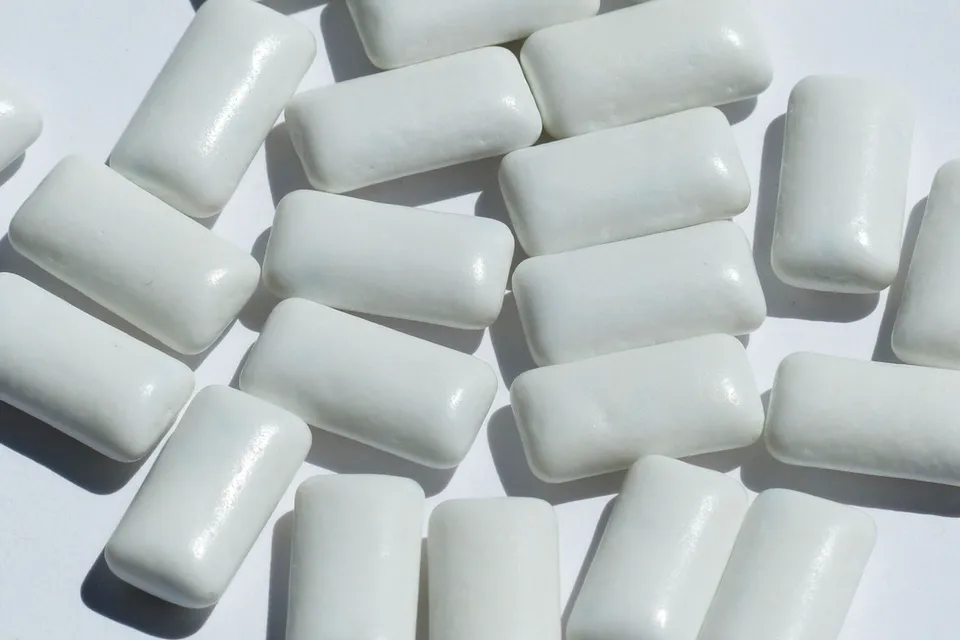
- Both synthetic and natural gums released microplastics, in similar amounts.
- Most particles came out in the first two minutes of chewing.
- Researchers estimated that a single piece could release hundreds to thousands of particles.
Most people never think of chewing gum as a plastic product. But many gums are made with a "gum base" that includes synthetic polymers, the same family of materials used in plastics and rubber. As research into microplastics expands, scientists have started asking whether chewing gum sheds particles into the mouth.
This guide explains what gum is made of, what the 2025 research found, how natural and synthetic gums compare, whether you should stop chewing gum, and practical ways to reduce microplastics from gum and from other everyday sources.
What is chewing gum made of?
Chewing gum is made of a gum base plus sweeteners, softeners, flavors and colors. The gum base is what makes gum chewy and long-lasting. In many modern gums, it's made of synthetic polymers such as polyvinyl acetate and polyisobutylene, which are listed on labels simply as "gum base." Natural gums use plant-based bases like chicle, the sap of the sapodilla tree, or other tree resins.
What did the research find?
Researchers from the University of California, Los Angeles presented a pilot study at the American Chemical Society spring meeting in 2025, described in an ACS press release. They tested several brands of synthetic and natural gum. Volunteers chewed each piece, and the researchers collected saliva to count particles. They reported that:
- Gum released, on average, about 100 microplastic particles per gram, with some pieces releasing far more.
- Natural and synthetic gums released similar amounts and the same types of polymers.
- Most particles were released within the first two minutes of chewing.
The study was small and focused on particles larger than the smallest nanoplastics, so the true number may be higher. The researchers stressed that they weren't telling people to panic, and that more research is needed on health effects.
Is natural gum better?
Surprisingly, the study found that natural gums released similar amounts of microplastics as synthetic ones. The researchers suggested that contamination during manufacturing and packaging could play a role. Natural gums may still appeal to people who want fewer synthetic ingredients, but they aren't a guaranteed way to avoid microplastics.
How do natural and synthetic gums compare?
| Factor | Synthetic gum | Natural gum |
|---|---|---|
| Gum base | Synthetic polymers | Chicle or other plant resins |
| Microplastics in the study | Released | Released, in similar amounts |
| Biodegradable | No | Generally yes |
| Flavor duration | Often longer | Often shorter |
| Availability | Everywhere | Health stores and online |
Is chewing gum harmful because of microplastics?
Scientists don't know yet. The FDA says current evidence doesn't show that the microplastics found in foods pose a health risk, while research continues. Sugar-free gum also has real benefits: it increases saliva, which helps protect teeth after meals, and many people use it to curb snacking or freshen breath. For most people, gum is a small contributor compared with sources like bottled water, heated plastic and plastic cutting boards. See microplastics health effects.
How can you get fewer microplastics from gum?
- Chew one piece for longer instead of replacing it often, since most particles come out in the first minutes.
- Chew gum less often, for example only after meals.
- Dispose of gum properly in the trash so it doesn't add to litter and plastic pollution.
- Try alternatives when you just want fresh breath.
What are good gum alternatives?
- Mints without a gum base.
- Fennel or cardamom seeds, a traditional after-meal breath freshener.
- Fresh mint or parsley leaves.
- Crunchy vegetables like carrots, celery and apples, which also help clean teeth.
- Water, rinsed around the mouth after eating.
- Brushing or a tongue scraper when you're at home.
Should kids chew gum?
Young children shouldn't chew gum because of the choking risk. For older kids, occasional sugar-free gum is fine for most families. If you'd like to reduce microplastics, the same tips apply: fewer pieces, chewed longer, and alternatives like crunchy fruits and vegetables.
Why is gum a plastic pollution problem?
Discarded synthetic gum doesn't biodegrade, which is why old gum sticks to sidewalks for years. Over time, it breaks down into smaller pieces, adding to environmental microplastics. Always throw gum in the trash. Natural gum based on chicle is generally biodegradable, which is one advantage even if the study found similar microplastic release while chewing.
Which daily sources matter more?
If you're thinking about gum, it's worth looking at the sources you encounter every day. Heating food in plastic, drinking bottled water, steeping plastic tea bags and chopping on plastic cutting boards can add up to more exposure. A 2023 study in Environmental Science & Technology estimated that chopping on plastic boards could release tens of grams of microplastics per person per year. See how to reduce microplastics in your body and microplastics in tea bags.
Which kitchen swap has the biggest payoff?
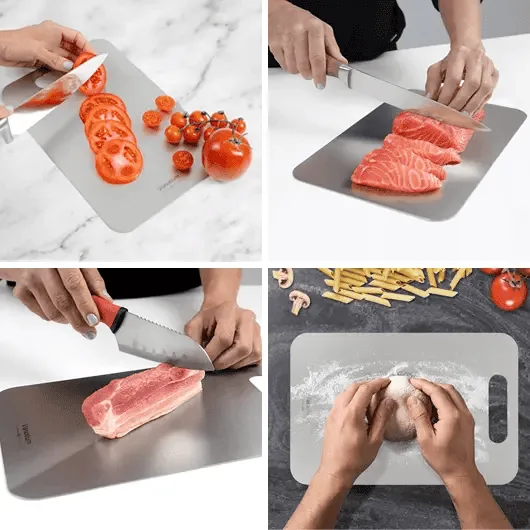
Replacing a plastic cutting board is a one-time change that affects every meal. Vanotium is a titanium cutting board with a non-porous surface that sheds no plastic, doesn't hold juices or odors, is dishwasher-safe and resists scratches and warping. It's lightweight and heat-resistant. In October 2026 it was $66.66 for one board, $116.66 for two or $42.77 each in a four-pack, with a 30-day guarantee and tracked shipping in 5–7 days. Read our Vanotium review (4.6/5) and plastic boards and microplastics.

A bigger win than skipping gum
Vanotium titanium cutting board: no plastic to shed, non-porous and dishwasher-safe. From $42.77 per board in multi-packs, with a 30-day guarantee.
Check today's Vanotium price →Ships in 5–7 days with tracking · 30-day guarantee
Does gum still help your teeth?
Sugar-free gum, especially with xylitol, can help increase saliva flow after meals, which helps neutralize acids and wash away food particles. Dental associations have long recognized sugar-free gum as a helpful habit after eating when you can't brush. If you rely on gum for dental reasons, chewing one piece after meals for around 20 minutes is a reasonable compromise between its benefits and limiting particles.
How can you tell what's in your gum?
Labels usually list "gum base" without saying what it's made of. Brands that use natural chicle or tree resins tend to say so on the package, often describing themselves as plastic-free or biodegradable. If the ingredient list only says "gum base," it's likely synthetic. Remember, though, that the study found similar microplastic release from both types.
How do you cut back if gum is a habit?
For many people, gum is about keeping the mouth busy, especially when working, driving or trying to snack less. Try sipping water or herbal tea from a glass or stainless bottle, keeping a small container of fennel seeds or mints handy, or snacking on crunchy vegetables. Cutting from several pieces a day to one longer-chewed piece after meals is an easy first step.
Should you worry about gum?
Not much. Gum is an interesting new finding, but it's a small, occasional source for most people. The research is a reminder of how common plastic is in daily life, not a reason to fear an after-lunch piece of gum. Focus your energy on the daily, high-impact habits in your kitchen, and treat gum as a small extra step.
Why do most particles come out in the first minutes?
When you start chewing, the gum is at its stiffest and the friction between your teeth and the gum is highest. Saliva and enzymes also start breaking down the surface right away. In the study, the researchers found that most particle release happened in the first two minutes, and that chewing longer didn't add many more particles. That's why chewing one piece for a long time is better, from a microplastics point of view, than swapping to a fresh piece every few minutes. It's a simple change that doesn't require giving up gum.
What about nicotine and functional gums?
Nicotine gum, caffeine gum and vitamin gums use similar gum bases, so they likely shed particles in a similar way, although they weren't the focus of the study. If you use nicotine gum to quit smoking, keep following your doctor's plan; the benefits of quitting are far greater than any concern about microplastics from gum. Talk to your doctor if you have questions about the best option for you.
How else can you cut plastic from daily snacks?
Many snacks come wrapped in plastic. Buying nuts, dried fruit and seeds in bulk with your own glass jars, packing snacks in stainless steel containers and choosing fresh fruit cut on a plastic-free board all reduce plastic contact. These habits add up over a week far more than an occasional piece of gum.
The bottom line
Chewing gum can release microplastics into saliva, and in a 2025 pilot study, natural and synthetic gums released similar amounts, mostly in the first two minutes. Chewing one piece longer, chewing less often and using alternatives can reduce exposure. But gum is a small source compared with everyday kitchen habits like heating food in plastic and chopping on plastic boards.
Our top pick for plastic-free prep is the titanium Vanotium board. Check today's Vanotium price and multi-pack deals.
Sources
- American Chemical Society. Chewing gum can shed microplastics into saliva, 2025.
- U.S. Food and Drug Administration. Microplastics and Nanoplastics in Foods.
- Yadav H. et al. Cutting Boards: An Overlooked Source of Microplastics in Human Food? Environmental Science & Technology, 2023.
Frequently asked questions
Does chewing gum contain microplastics?
Many gums use a synthetic polymer gum base, and a 2025 study found gum releases microplastics into saliva.
Is natural gum free of microplastics?
Not necessarily. In the study, natural and synthetic gums released similar amounts.
When does gum release the most microplastics?
Most particles came out in the first two minutes of chewing.
Should I stop chewing gum?
Not necessarily. Chewing one piece longer and less often reduces exposure, and sugar-free gum has dental benefits.
What can I use instead of gum?
Mints, fennel or cardamom seeds, fresh mint or parsley, crunchy vegetables and water.
Which kitchen swap matters more than gum?
Replacing your plastic cutting board with one that sheds no plastic, such as the titanium Vanotium.

Michelle Hert
Michelle is a home cook who cooks for a family every day and spends a lot of her free time reading the research behind the products that end up in our kitchens. She started Less Plastic Kitchen after the 2023 cutting board study made her look twice at the scratched plastic board on her own counter. Her guides are built on published studies, manufacturer specifications and verified buyer feedback, and she updates them when new information comes out. More about Michelle.