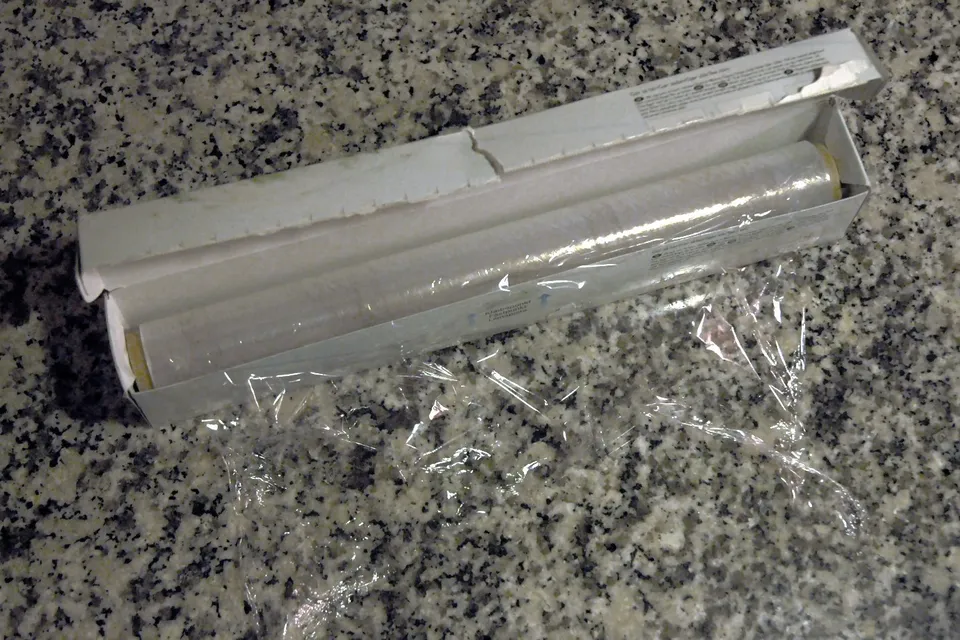
- Never microwave food covered in plastic wrap touching the food; use a plate or glass lid instead.
- Let food cool before covering it.
- Avoid direct contact with fatty foods like cheese and meat.
- Swap to reusable options: glass containers with lids, beeswax wraps, silicone lids or a plate on top of a bowl.
Plastic wrap is one of the most common items in American kitchens. It covers leftovers, wraps sandwiches, seals dough and keeps cut fruit fresh. It's cheap and convenient, but as concern about microplastics and chemicals in plastic grows, many home cooks are asking whether cling film is safe, and what to use instead.
This guide explains what plastic wrap is made of, when it's most likely to release particles and chemicals, how to use it more safely, and the best plastic-free alternatives for every job it does.
What is plastic wrap made of?
Most household plastic wrap today is made from low-density polyethylene (LDPE). Some products, especially older or commercial ones, are made from PVC or PVDC, which may contain plasticizers to keep them soft and clingy. Food contact plastics in the U.S. are regulated by the FDA, which sets rules for materials that touch food. Regulations are designed for intended use, which is one reason following the package directions, like not letting wrap touch food in the microwave, matters.
When does plastic wrap release particles or chemicals?
| Situation | Risk |
|---|---|
| Microwaving with wrap touching food | Highest: heat increases migration |
| Covering hot food | Higher: heat and steam |
| Fatty foods (cheese, meat, oily dishes) | Higher: some chemicals move more into fat |
| Long storage | Moderate: longer contact time |
| Cold, short-term covering of a bowl (not touching food) | Lower |
Heat is the biggest factor. Harvard Health advises against letting plastic wrap touch food in the microwave and suggests using glass or ceramic containers instead. See is it safe to microwave plastic?
How do you use plastic wrap more safely?
- Don't microwave food under plastic wrap. Use a microwave-safe plate, glass lid or paper towel.
- Let hot food cool before covering it.
- Cover the bowl, not the food: stretch it over the rim so it doesn't touch.
- Avoid wrapping fatty foods directly; use wax paper or parchment as a first layer.
- Use it short-term, and transfer food to glass for longer storage.
- Choose wraps labeled for food use and follow the instructions.
What can you use instead of plastic wrap?
| Job | Plastic-free alternative |
|---|---|
| Covering leftovers | Glass containers with lids, or a plate on top of the bowl |
| Wrapping sandwiches | Beeswax wraps, parchment paper, stainless lunch boxes |
| Cut fruit and vegetables | Glass containers, silicone food huggers, a damp towel |
| Dough | A damp kitchen towel, a bowl cover, a plate |
| Cheese | Cheese paper, beeswax wraps, parchment |
| Microwave splatter | Glass lid or microwave-safe plate |
| Freezer | Glass containers (leave room for expansion), stainless steel, silicone bags |
See how to store food without plastic, glass vs plastic containers and parchment vs wax paper.
Are beeswax wraps a good replacement?
For many jobs, yes. Beeswax wraps are cotton fabric coated in beeswax, resin and oil. The warmth of your hands softens them so they cling to bowls, cheese, bread and produce. Wash in cool water with mild soap and let them air-dry; they last about a year with regular use. They're not suitable for raw meat or for the microwave, and people with allergies to bees' products should choose plant-wax versions.
Is aluminum foil a better choice?
Foil avoids plastic, but it has its own considerations, especially with acidic or salty foods and high heat. See is aluminum foil safe?
What about plastic during food prep?
Storage is one part of the picture; prep is another. A 2023 study in Environmental Science & Technology found that chopping on plastic cutting boards releases microplastics with each cut. If you're replacing plastic wrap, your cutting board is the next logical swap.
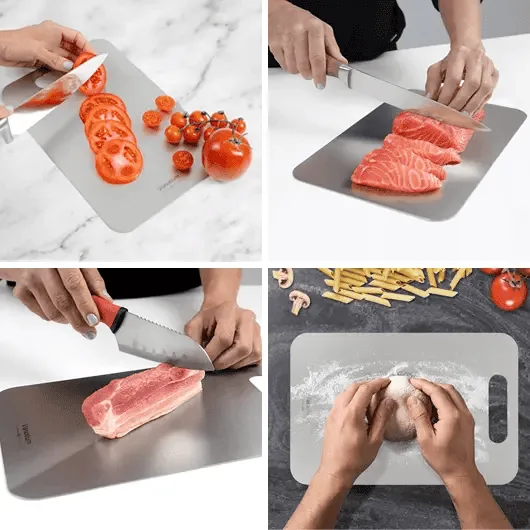
Vanotium is a titanium cutting board with a non-porous surface that sheds no plastic, doesn't hold juices or odors, is dishwasher-safe and resists scratches and warping. In October 2026 it was $66.66 for one board or $42.77 each in a four-pack, with a 30-day guarantee. Read our Vanotium review (4.6/5).

Plastic-free from chopping to storing
Vanotium titanium cutting board: no plastic to shed, non-porous, dishwasher-safe and built to last. From $42.77 per board in multi-packs, with a 30-day guarantee.
Check today's Vanotium price →Ships in 5–7 days with tracking · 30-day guarantee
How do you transition away from plastic wrap?
- Use up what you have, but reserve it for cold, short-term jobs.
- Buy a set of glass containers with lids in a few sizes.
- Add a few beeswax wraps for cheese and sandwiches.
- Keep plates handy to cover bowls in the fridge.
- Use parchment for baking and wrapping.
See plastic-free kitchen swaps.
Should you worry about the health effects?
Research on microplastics and plastic-related chemicals is ongoing. The FDA says current evidence doesn't show that microplastics in food pose a risk to health, while continuing to monitor the science. Many people still choose to reduce plastic contact with hot and fatty foods as a simple precaution. See microplastics health effects.
What about freezer burn without plastic wrap?
Freezer burn happens when air reaches the surface of frozen food and dries it out. Plastic wrap is popular because it seals tightly, but you can prevent freezer burn without it. Use glass or stainless steel containers that are just big enough for the food, so there's little air inside, and leave a small gap at the top for liquids to expand. For bread and baked goods, wrap in parchment or a beeswax wrap, then place them in a sealed container. Freeze food once it has cooled, label it with the date and use it within a few months for the best quality.
What about kids' lunches?
School lunches are a big source of daily plastic wrap. Stainless steel bento boxes, small glass containers for older kids, beeswax wraps for sandwiches and reusable silicone pouches replace most of it. They cost more up front but last for years, and they keep food fresher because they don't get crushed in the backpack.
What about takeout and deli food wrapped in plastic?
Deli meats, cheese and takeout often arrive wrapped in plastic film or in plastic clamshells. At home, unwrap them and move the food to glass or stainless steel containers, especially before reheating. Ask your deli counter to wrap items in paper when possible, and bring your own containers to stores and restaurants that allow it. See are plastic takeout containers safe?
Is going plastic-wrap-free more expensive?
At first, a little: a set of glass containers and a few beeswax wraps cost more than a roll of cling film. Over time, though, reusable options usually save money because you stop buying rolls of wrap, and glass containers last for many years. Using plates and bowls you already own to cover leftovers costs nothing at all. Many households find that after the first few months, they rarely reach for plastic wrap.
Which plastic wrap myths should you ignore?
- "Microwave-safe wrap is safe touching food." Even when labeled microwave-safe, it's best not to let wrap touch food while heating.
- "BPA-free means chemical-free." Many plastics have other additives. See is BPA-free plastic safe?
- "All cling film is the same." Materials and additives vary by product and brand.
How do you cover dough without plastic wrap?
For rising bread or pizza dough, cover the bowl with a damp kitchen towel, a shower cap kept just for the kitchen, a large plate or a silicone bowl cover. For chilling cookie or pie dough, wrap it in parchment paper or a beeswax wrap, or press it into a lidded glass container. The dough rises and chills just as well, with no plastic touching it.
How do you keep cut produce fresh without wrap?
Half an onion, a cut avocado or sliced melon often get wrapped in cling film. Instead, place cut produce face-down on a small plate or in a shallow glass container with a lid. Silicone "food huggers" fit over the cut end of fruits and vegetables. For herbs, stand them in a jar of water in the fridge with a loose cover. Leafy greens stay crisp in a glass container lined with a clean towel to absorb moisture. These methods keep produce as fresh as plastic wrap, and often fresher, because containers don't get crushed in a crowded fridge.
The bottom line
Plastic wrap is most likely to release particles and chemicals when heated, when touching hot or fatty food and over long storage. Never microwave food under wrap, let food cool first, keep wrap off the food and move to glass, beeswax wraps, parchment or a simple plate whenever you can. Then take the next step at the cutting board.
For a board that sheds no plastic and lasts for years, our pick is Vanotium. Check today's Vanotium price and multi-pack deals.
Sources
- Harvard Health Publishing. Microwaving food in plastic: Dangerous or not?
- U.S. Food and Drug Administration. Packaging and Food Contact Substances.
- Yadav H. et al. Cutting Boards: An Overlooked Source of Microplastics in Human Food? Environmental Science & Technology, 2023.
- U.S. Food and Drug Administration. Microplastics and Nanoplastics in Foods.
Frequently asked questions
Does plastic wrap release microplastics into food?
It can, especially when heated, in contact with hot or fatty food or used for long storage.
Is it safe to microwave food covered in plastic wrap?
It's best not to let wrap touch food in the microwave. Use a glass lid, a microwave-safe plate or a paper towel instead.
What can I use instead of plastic wrap?
Glass containers with lids, a plate over a bowl, beeswax wraps, parchment paper, silicone lids and stainless steel lunch boxes.
Are beeswax wraps a good replacement for cling film?
For bowls, cheese, bread and produce, yes. They're not for raw meat or the microwave.
What is plastic wrap made of?
Most household wrap is low-density polyethylene; some products use PVC or PVDC.
What other kitchen swap reduces microplastics?
Replacing plastic cutting boards. A titanium board like Vanotium sheds no plastic as you chop.

Michelle Hert
Michelle is a home cook who cooks for a family every day and spends a lot of her free time reading the research behind the products that end up in our kitchens. She started Less Plastic Kitchen after the 2023 cutting board study made her look twice at the scratched plastic board on her own counter. Her guides are built on published studies, manufacturer specifications and verified buyer feedback, and she updates them when new information comes out. More about Michelle.