- Stainless steel: durable, dishwasher-safe, great for stainless and cast iron pans.
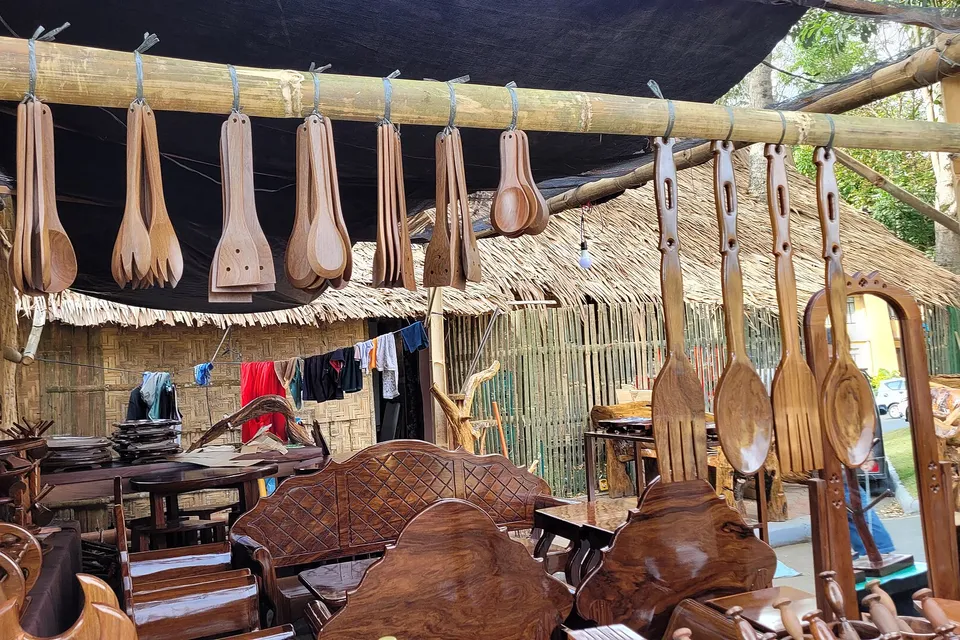
- Hardwood (olive, maple, beech): gentle on all pans, plastic-free, lasts years with oiling.
- Food-grade silicone: heat-resistant and soft on nonstick and ceramic coatings.
Spatulas, spoons, tongs and ladles touch almost every hot meal you cook, yet they're often the last thing people think about when they clean up their kitchen. Many sets are made from black nylon or other plastics that soften near hot pans, get nicked by sharp edges and slowly shed tiny bits into food. Swapping them is one of the cheapest and fastest ways to reduce plastic in your cooking.
This guide compares the main utensil materials, explains the concerns about plastic tools, shows which materials pair best with each type of pan, and gives you a simple starter set and care tips so your new utensils last for years.
Why do kitchen utensils matter?
Utensils sit in hot oil, simmering sauces and boiling water, and they scrape across pans many times a day. Heat and friction are exactly the conditions that make plastics break down faster. A melted spatula edge or a frayed nylon spoon is a sign that material has gone somewhere, often into food. Choosing heat-stable, durable materials limits that contact.
Which utensil materials are safest?
| Material | Pros | Cons |
|---|---|---|
| Stainless steel | Lasts decades, heat-proof, dishwasher-safe | Can scratch nonstick and ceramic coatings |
| Hardwood | Gentle on all pans, plastic-free, comfortable | Hand wash, oil occasionally |
| Bamboo | Light, affordable, renewable | Uses glues in layered pieces; can crack |
| Food-grade silicone | Heat-resistant, soft on coatings, dishwasher-safe | Quality varies; avoid cheap fillers |
| Nylon / black plastic | Cheap, soft on pans | Melts near hot pans, sheds, possible additives |
| Melamine | Hard, colorful | Not meant for high heat |
What's the concern with plastic utensils?
Plastic utensils are convenient, but they have three weak points. First, many nylon tools are rated only to around 400°F, and the edge of a hot pan can easily go beyond that, causing melting or warping. Second, every scrape and nick can release tiny fragments. Third, some black plastics are made from recycled material, and researchers have reported finding flame-retardant chemicals in a sample of black plastic kitchen products, likely from recycled electronics. Even though the exact amounts are debated, it's an easy exposure to avoid.
The FDA regulates food-contact materials, but these rules assume normal use. A spatula left resting on a hot pan or a frayed spoon isn't normal use. Our article on whether plastic cooking utensils are safe goes deeper.
Which utensils work with which pans?
| Pan | Best utensils |
|---|---|
| Stainless steel | Stainless, wood, silicone |
| Cast iron and carbon steel | Stainless fish spatula, wood |
| Nonstick (PTFE) | Wood, silicone |
| Ceramic-coated | Wood, silicone |
| Enameled cast iron | Wood, silicone |
See cast iron vs nonstick and is stainless steel cookware safe?
Are wooden utensils hygienic?
Yes, when you care for them. Dense hardwoods like olive, maple, beech and cherry have tight grain and resist cracking. Wash them by hand in hot soapy water, dry them upright and oil them with food-grade mineral oil or a board cream every few weeks. Don't soak them or put them in the dishwasher, which causes cracks where food can hide. Replace any spoon that's split or has a fuzzy, rough surface. Care is similar to caring for a wood cutting board.
Is silicone a good non-toxic choice?
Food-grade silicone is stable at typical cooking temperatures and is soft on coated pans. Quality matters: good silicone feels solid and doesn't turn white when you pinch and twist it. A white streak can mean fillers. Choose tools that are one solid piece or have a stainless core, so food can't get trapped between a plastic handle and a silicone head. Read more in is silicone safe for cooking?

Finish the swap with a plastic-free board
Vanotium titanium cutting board: no plastic, non-porous and dishwasher-safe. From $42.77 per board in multi-packs, with a 30-day guarantee.
Check today's Vanotium price →Ships in 5–7 days with tracking · 30-day guarantee
Why choose stainless steel tools?
Stainless steel tongs, whisks, ladles, slotted spoons and fish spatulas are the workhorses of professional kitchens. They don't melt, they're dishwasher-safe and they can last a lifetime. A thin, flexible stainless fish spatula is one of the best tools for flipping eggs and fish in a stainless or cast iron pan. Just keep metal tools away from nonstick and ceramic coatings.
What's a good non-toxic starter set?
- Two wooden spoons (one round, one flat-edged)
- A stainless fish spatula
- A silicone spatula for scraping bowls and coated pans
- Stainless tongs (with silicone tips if you use nonstick)
- A stainless ladle and slotted spoon
- A stainless whisk
- A wooden or stainless pasta server
This covers almost every recipe and replaces a whole drawer of plastic tools.
How do you switch on a budget?
Start with the tools that touch the hottest food: the spatula and spoons you use for frying and sautéing. Replace those first, then swap others as they wear out. Wooden spoons and stainless tongs are inexpensive, and many restaurant supply stores sell stainless tools for a fraction of department store prices.
What other kitchen tools contain plastic?
- Cutting boards: one of the biggest sources of microplastics in food; see best non-toxic cutting board.
- Colanders: choose stainless steel.
- Mixing bowls: glass or stainless.
- Measuring cups: stainless or glass.
- Graters and peelers: stainless with wood or metal handles.
- Food storage: glass with lids.
A 2023 study estimated that chopping on plastic cutting boards can release thousands of microplastic particles a year into food (Yadav et al., 2023), which makes the board one of the most important swaps after utensils.
Are melamine utensils safe?
Melamine is a hard plastic used in some utensils and dishes. It's fine for serving cold or room-temperature food, but it isn't meant for cooking or high heat, which can increase migration. Keep melamine for serving salads, not stirring hot sauces. See is melamine safe?
How do you make non-toxic utensils last?
- Hand wash wooden tools and dry them right away.
- Oil wood every few weeks or when it looks dry.
- Store utensils upright in a crock so they dry fully.
- Don't leave any utensil resting on a hot pan.
- Replace wood that's cracked and silicone that's torn.
Are these utensils safe for kids?
Yes. Wooden spoons and silicone spatulas are great for kids learning to cook, since they're light and don't get hot. Keep sharp stainless tools and hot tongs for adults, and teach kids to rest utensils on a spoon rest, not on the pan.
Do non-toxic utensils make good gifts?
An olive wood spoon set, a quality stainless fish spatula or a set of solid silicone tools makes a practical gift for any home cook. Pair it with a plastic-free board for a complete kitchen upgrade; see gifts for home cooks.
What are common myths about kitchen utensils?
- "Wood is unsanitary." Properly cared-for hardwood is a long-standing, hygienic choice.
- "BPA-free plastic is always safe." BPA-free doesn't mean free of other additives or heat-proof.
- "All silicone is the same." Quality varies; look for solid, filler-free silicone.
- "Metal utensils ruin all pans." Only coated pans; stainless and cast iron handle metal fine.
Should you throw out black plastic utensils right away?
You don't need to panic, but replacing them is an easy upgrade. Start with the spatula and spoon that touch hot oil most often, since heat increases the chance of melting and shedding. Check every plastic tool for warped edges, melted tips, deep scratches or a chalky surface, and replace those first. Tools you only use for cold tasks, like a salad server, are a lower priority.
What do heat ratings on utensils mean?
Many utensils list a maximum temperature, such as 400°F for nylon or 450°F to 600°F for silicone. That number refers to the material itself, but the edge of a pan, a cast iron skillet on high heat or oil near its smoke point can be hotter than you think. Stainless steel and wood don't have this limit in normal cooking, which is one reason they're so popular in professional kitchens. If you use silicone, choose a high rating and don't leave the tool resting against a hot pan.
Are bamboo utensils a good alternative?
Solid bamboo utensils are light, inexpensive and plastic-free, and they work well for stirring and serving. Some bamboo products are made from layered strips held together with glue, and quality varies, so choose solid pieces from brands that state they use food-safe finishes. Care is the same as wood: hand wash, dry quickly and oil occasionally. Avoid "bamboo" products that are actually bamboo fiber mixed with melamine, which is a plastic.
Why is olive wood so popular?
Olive wood is very dense and has a beautiful grain, so it resists cracking and absorbing liquids better than many softer woods. It feels smooth in the hand and lasts for years with a little oil. It costs a bit more than beech or bamboo, but a single olive wood spoon can outlast several cheaper ones.
How do you clean silicone utensils?
Most silicone tools are dishwasher-safe. If silicone develops a greasy film or holds an odor, soak it in hot water with baking soda, or bake it at a low oven temperature for a short time if the manufacturer allows it, then wash again. One-piece silicone tools are easier to clean than ones with a separate handle, because food and water can't get trapped in the joint.
The bottom line
The safest kitchen utensils are stainless steel, hardwood and quality food-grade silicone. They handle heat, last for years and keep plastic out of your hot food. Replace black plastic and nylon tools first, starting with the ones you use for frying, match your utensils to your pans, and finish the swap with a plastic-free cutting board.
For a plastic-free board, our pick is Vanotium. Check today's Vanotium price and multi-pack deals.
Sources
- U.S. Food and Drug Administration. Packaging & Food Contact Substances (FCS).
- Yadav H. et al. Cutting Boards: An Overlooked Source of Microplastics in Human Food? Environmental Science & Technology, 2023.
Frequently asked questions
What are the safest cooking utensils?
Stainless steel, hardwood and quality food-grade silicone.
Are black plastic utensils safe?
They can melt and shed near hot pans; replacing them is an easy upgrade.
Is silicone non-toxic?
Food-grade silicone is stable at typical cooking temperatures; avoid cheap fillers.
Are wooden spoons sanitary?
Yes, with hand washing, drying and occasional oiling.
Which utensils are best for nonstick pans?
Wood and silicone protect the coating.
What should a starter set include?
Two wooden spoons, a stainless fish spatula, a silicone spatula, stainless tongs, a ladle and a whisk.

Michelle Hert
Michelle is a home cook who cooks for a family every day and spends a lot of her free time reading the research behind the products that end up in our kitchens. She started Less Plastic Kitchen after the 2023 cutting board study made her look twice at the scratched plastic board on her own counter. Her guides are built on published studies, manufacturer specifications and verified buyer feedback, and she updates them when new information comes out. More about Michelle.