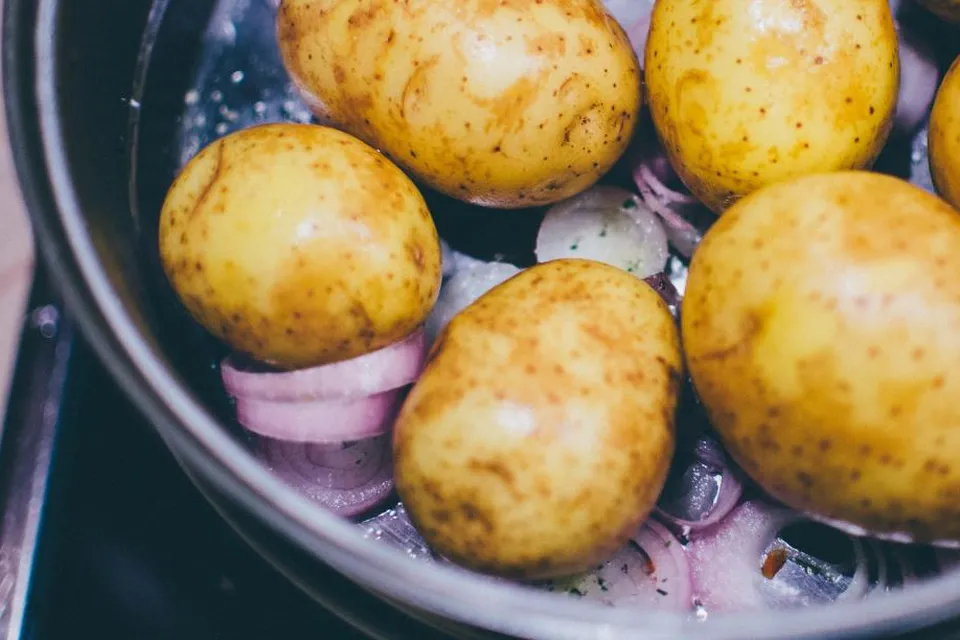
- Wash just before cooking, not before storing. Damp potatoes rot and sprout faster.
- Rinse under cool running water to loosen soil.
- Scrub with a vegetable brush, paying attention to the eyes, dents and ends where dirt hides.
- Cut away green patches, sprouts and soft spots.
- Rinse again and pat dry, especially if you're roasting for crispy skins.
Potatoes grow underground and come out of the field covered in soil, and even "pre-washed" bags often carry a dusty film by the time they reach your kitchen. They're also one of the most-eaten vegetables in America, with the skin often left on for roasting, baking, mashing and fries. That makes washing them properly a small but worthwhile habit. This guide covers the best way to wash potatoes step by step, whether you need to wash potatoes you're going to peel, how to handle green spots and sprouts, washing baby and new potatoes, rinsing cut potatoes to remove starch, storage and the common mistakes that make potatoes go bad faster.
In this guide:
- why potatoes need washing
- the step-by-step method
- peeling, green spots and sprouts
- rinsing and soaking cut potatoes
- storage
- common mistakes
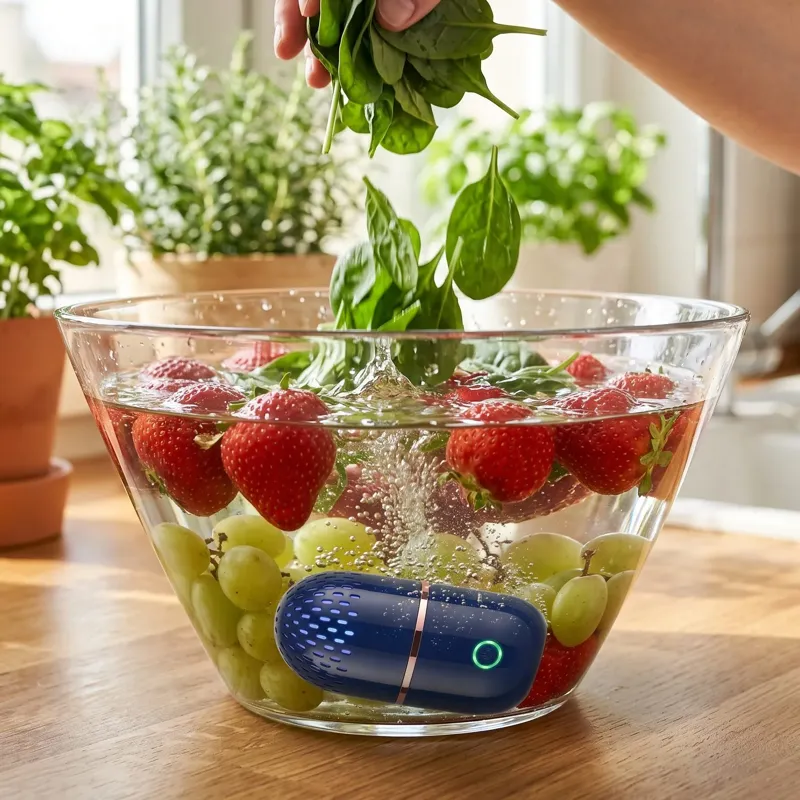
Our pick for washing produce: PodBloom
A wireless, IPX7-waterproof purifier that sits in a bowl of water and runs a 10-minute electrolysis cycle for fruit and vegetables. No soap, no refills. $59.95, or $35.98 each in the 3-pack.
Check today's PodBloom price →30-day money-back guarantee · wireless charging base included
Why should you wash potatoes?
- Soil: potatoes grow in the ground and carry dirt in every dent and eye.
- Handling: harvesting, sorting, bagging and shoppers picking through bins.
- Germs: soil can carry bacteria, so the surface should be cleaned before cutting.
- Residue: potatoes are among the crops tested in the USDA's Pesticide Data Program. Levels are usually within limits, but many people prefer to scrub off what they can, especially when eating the skin.
How do you wash potatoes, step by step?
- Wash your hands with soap and water.
- Rinse the potatoes under cool running water.
- Scrub each potato with a clean vegetable brush, moving around the whole surface. Focus on the eyes, cracks and ends.
- Check for problems: green patches, sprouts, soft or dark spots and cuts.
- Trim those areas with a paring knife or the tip of a peeler.
- Rinse again to wash away loosened dirt.
- Pat dry with a clean towel.
The FDA's tips for cleaning fruits and vegetables recommend scrubbing firm produce like potatoes with a clean brush and skipping soap and bleach.
Do you need to wash potatoes if you peel them?
Yes. When you peel or cut an unwashed potato, the blade drags soil and germs from the skin onto the clean flesh. A quick scrub before peeling takes seconds and keeps your mashed potatoes and fries free of grit.
What should you do about green spots and sprouts?
Green patches mean the potato has been exposed to light, which also increases solanine, a natural compound that can taste bitter and, in large amounts, cause stomach upset.
- Small green spots: cut them away generously.
- Sprouts and eyes: remove them and the area around them.
- Large green areas, bitter taste, very soft or shriveled potatoes: throw them out.
Store potatoes in the dark to prevent greening.
Our pick for washing produce: PodBloom
A wireless, IPX7-waterproof purifier that sits in a bowl of water and runs a 10-minute electrolysis cycle for fruit and vegetables. No soap, no refills. $59.95, or $35.98 each in the 3-pack.
Check today's PodBloom price →30-day money-back guarantee · wireless charging base included
How do you wash baby and new potatoes?
Baby and new potatoes have thin, delicate skins that are part of their charm. Wash them gently under running water with your hands or a soft brush rather than a stiff scrubber, so the skin stays intact. For a full bag, soak them in a bowl of cool water for a few minutes to loosen dirt, then rub and rinse.
Is washing sweet potatoes different?
Not really. Sweet potatoes also grow underground, so scrub them under running water with a brush, trim any damaged spots and dry them. Their skin is edible and delicious when roasted. Handle them gently, because they bruise more easily than regular potatoes.
Should you soak potatoes before washing?
A short soak helps with very dirty potatoes, such as farmers market or home-grown ones. Fill a bowl with cool water, add the potatoes for a few minutes, swish them around, then scrub and rinse each one. Lift them out rather than draining into a colander, so the soil stays at the bottom of the bowl.
| Potatoes | Best method |
|---|---|
| Store-bought russets and golds | Rinse and scrub with a brush |
| Baby and new potatoes | Gentle rub with hands or a soft brush |
| Farmers market or garden potatoes | Short soak, then scrub and rinse |
| Large batch for a holiday meal | Hands-free soak in a bowl, then quick scrub |
Should you rinse cut potatoes?
Rinsing or soaking cut potatoes is a cooking step, not a cleaning one. It removes surface starch:
- For crispy fries and roast potatoes: soak cut potatoes in cold water for 30 minutes or more, then dry them very well before cooking.
- For mashed potatoes: a quick rinse is optional; some cooks like the starch for creaminess.
- To prevent browning: keep cut potatoes in cold water until you cook them, for up to a few hours in the fridge.
How should you store potatoes?
- Keep them unwashed until you're ready to cook.
- Store in a cool, dark, dry, well-ventilated place, like a pantry or cellar.
- Use a paper bag, basket or cardboard box, not a sealed plastic bag.
- Keep them away from onions, which can make them sprout faster.
- Avoid the fridge for raw whole potatoes, which can turn starch into sugar and change texture and taste.
More tips on storing produce without plastic: how to store food without plastic.
What mistakes make potatoes spoil faster?
- washing potatoes before storing them
- keeping them in plastic bags
- storing them in a bright spot, which turns them green
- keeping them next to onions
- using soap or detergent to wash them
- leaving damaged or sprouting potatoes with the good ones
Which cutting board is best for potatoes?
Potatoes are heavy and firm, so you press hard when cutting them, and that's when cheap plastic boards get deep knife grooves. Those grooves trap starch and bacteria and shed microplastic shavings. A sturdy, non-porous board that cleans up easily is a better choice for root vegetables. See the best cutting board for vegetables and plastic cutting boards and microplastics.
How does washing potatoes compare with other produce?
Firm produce like potatoes, carrots and apples should be scrubbed with a brush. Soft fruits like berries and grapes need a gentle rinse or a short soak. Leafy greens need separating, soaking and spinning dry. Our guides cover each one: apples, leafy greens, blueberries and the big-picture guide on washing pesticides off produce.
How does PodBloom help with potatoes?
When you're washing a big batch, such as potatoes for a holiday dinner or a week of meal prep, PodBloom handles the soaking step. Put the potatoes in a bowl of plain water with the PodBloom device, press the button and it runs a 10-minute cycle. Then give each potato a quick scrub and rinse. There's no soap and nothing to refill. Read our PodBloom review or the evidence on whether produce washes work.
How do you prep potatoes for a holiday meal?
- Wash and scrub all the potatoes the morning of the meal.
- Peel and cut them, then keep them in a pot of cold water in the fridge.
- Drain, rinse and cook when you're ready.
- For roasting, dry the pieces very well before oiling them.
This saves time on the big day and keeps cut potatoes from browning.
What's the best tool for scrubbing potatoes?
| Tool | Best for | Tip |
|---|---|---|
| Stiff vegetable brush | Russets, golds, sweet potatoes | Choose wooden handles and natural bristles to cut plastic |
| Soft brush or cloth | Baby and new potatoes | Protects thin skins |
| Your hands | Quick rinse of clean potatoes | Rub every side under running water |
| Paring knife or peeler tip | Eyes, sprouts and green spots | Cut generously around damaged areas |
Keep the brush clean too: rinse it after each use, let it dry upright and replace it when the bristles look worn or stay damp and smelly. A brush that never dries can harbor bacteria just like a sponge.
Can kids help wash potatoes?
Washing potatoes is one of the best first kitchen jobs for children. Potatoes are sturdy, there's no knife involved and kids love scrubbing. Give them a bowl of water and a small brush at the sink, show them how to check for eyes and dirty spots and let an adult handle the trimming and cutting. It's an easy way to get kids involved in holiday cooking and teach them good food safety habits.
Is it safe to eat potato skins?
Yes, for most people, once the potatoes are well scrubbed and any green, damaged or sprouted areas are cut away. The skin holds a good share of the potato's fiber and adds texture to roasted, baked and smashed potatoes. If a potato tastes bitter, stop eating it and discard the rest of that potato.
How long do washed potatoes last?
Once washed, whole raw potatoes should be cooked the same day. Peeled or cut potatoes kept in cold water in the fridge last up to about a day. Cooked potatoes keep three to four days in a covered glass container in the fridge.
The bottom line
To wash potatoes:
- wash just before cooking, not before storing
- rinse and scrub with a vegetable brush under cool running water
- cut away green spots, sprouts and soft areas
- wash even if you're going to peel
- store unwashed potatoes in a cool, dark, ventilated spot
PodBloom makes big-batch soaking hands-free: a 10-minute cycle in plain water with no refills. It's $59.95 for one, or $35.98 each in the 3-pack, with a 30-day money-back guarantee.
Our pick for washing produce: PodBloom
A wireless, IPX7-waterproof purifier that sits in a bowl of water and runs a 10-minute electrolysis cycle for fruit and vegetables. No soap, no refills. $59.95, or $35.98 each in the 3-pack.
Check today's PodBloom price →30-day money-back guarantee · wireless charging base included
Frequently asked questions
Do you need to wash potatoes before peeling?
Yes. Peeling or cutting an unwashed potato drags soil and germs from the skin onto the flesh.
What is the best way to clean potatoes?
Rinse under cool running water and scrub with a clean vegetable brush, especially around the eyes and ends. No soap needed.
Should you wash potatoes before storing them?
No. Store them unwashed in a cool, dark, ventilated place and wash just before cooking.
Are green potatoes safe to eat?
Cut away small green spots generously. Throw out potatoes with large green areas or a bitter taste.
Why do you soak cut potatoes in water?
Soaking removes surface starch for crispier fries and roast potatoes and stops cut potatoes from browning.
Can you wash potatoes with vinegar?
It isn't necessary. Running water and a brush are what the FDA recommends for firm produce like potatoes.

Michelle Hert
Michelle is a home cook who cooks for a family every day and spends a lot of her free time reading the research behind the products that end up in our kitchens. She started Less Plastic Kitchen after the 2023 cutting board study made her look twice at the scratched plastic board on her own counter. Her guides are built on published studies, manufacturer specifications and verified buyer feedback, and she updates them when new information comes out. More about Michelle.