- Reverse osmosis systems remove the widest range of particle sizes.
- Solid carbon block filters with a very fine pore size (around 0.5 to 1 micron) capture most microplastics.
- Basic pitcher filters vary a lot; check whether they're certified for reducing particles.
- Boiling hard tap water and filtering out the scale removed a large share of added micro- and nanoplastics in a 2024 lab study.
Microplastics have been found in tap water, bottled water, rain and even snow. So it's no surprise that "do water filters remove microplastics?" has become one of the most common questions from people trying to reduce plastic in their diet. The short answer is that the right filter can make a big difference, but not every filter does the job, and labels can be confusing.
This guide explains how microplastics get into drinking water, which filter types work best, what to look for on the label, the surprisingly simple boiling trick from recent research, and the other everyday sources of microplastics in your kitchen.
How do microplastics get into drinking water?
Microplastics are plastic particles smaller than 5 millimeters, and nanoplastics are far smaller still, under a micron. They come from the breakdown of larger plastics, synthetic clothing fibers, tire dust and packaging. They reach rivers, lakes and groundwater, and water treatment removes many but not all of them. Plastic pipes, storage tanks and bottles can add more. The World Health Organization has called for more research on microplastics in drinking water and their possible health effects. See microplastics in drinking water.
Which types of water filters remove microplastics?
| Filter type | How well it captures microplastics | Notes |
|---|---|---|
| Reverse osmosis (RO) | Very high, including very small particles | Under-sink systems; wastes some water; removes minerals too |
| Solid carbon block (fine pore) | High for particles larger than the pore size | Look for around 0.5 to 1 micron ratings |
| Ultrafiltration membranes | High | Common in some countertop and under-sink units |
| Granular carbon pitcher filters | Variable | Mainly for taste and chlorine; check certifications |
| Faucet-mount filters | Variable | Depends on the cartridge |
| No filter / bottled water | None | Bottled water often contains more particles than tap |
The key spec is pore size: a filter can only catch particles larger than its smallest openings. Nanoplastics are small enough to pass through many household filters, which is why reverse osmosis performs best.
What should you look for on the label?
- Certification for particle reduction or "microplastics" from an independent testing body.
- A micron rating: smaller numbers mean finer filtration.
- Solid carbon block rather than loose granular carbon, if you're choosing a carbon filter.
- Replacement schedule: an old cartridge loses performance.
- Housing material: many filters are plastic themselves; check that the parts are food-safe and BPA-free, and see is BPA-free plastic safe?
Does boiling water remove microplastics?
A 2024 study in Environmental Science & Technology Letters found that boiling hard tap water and then filtering it removed a large share of the micro- and nanoplastics researchers had added to it, up to about 90 percent in the hardest water. As the water boils, calcium carbonate (limescale) forms crystals that trap the plastic particles, and a fine strainer, like a coffee filter, removes them. Soft water showed less removal. ScienceAlert summarized the findings. It was a lab study with spiked water, so real-world results will vary, but it's a simple, inexpensive step if you already boil water for tea or cooking. Boil in a stainless steel or glass kettle rather than plastic. See our guide to microplastics in tea bags.
Are pitcher filters worth it?
They can help, especially models with certified particle reduction and a fine filter medium. They're also inexpensive and easy to use. But many basic pitchers are designed mainly to improve taste and reduce chlorine, not to capture tiny particles, so read the specifications rather than assuming. Keep the pitcher out of direct sun, replace cartridges on schedule and consider a glass carafe for storing filtered water.
Is bottled water better than filtered tap?
Usually not. Studies have repeatedly found microplastics in bottled water, often at higher levels than tap water, partly from the bottle and cap themselves. Filtered tap water in a glass or stainless steel bottle is usually the lower-plastic, lower-cost choice. See microplastics in water bottles.
Where else do microplastics come from in the kitchen?
Filtering water is one piece of the puzzle. Others include:
- Plastic cutting boards, which shed particles with every cut. A 2023 study in Environmental Science & Technology estimated that chopping on plastic boards can release tens of grams of microplastics per person per year.
- Heating food in plastic containers. See is it safe to microwave plastic?
- Plastic utensils and spatulas used on hot pans.
- Tea bags, takeout cups and food packaging.
Our guide on how to avoid microplastics in the kitchen covers every swap.
Why does your cutting board matter as much as your water?
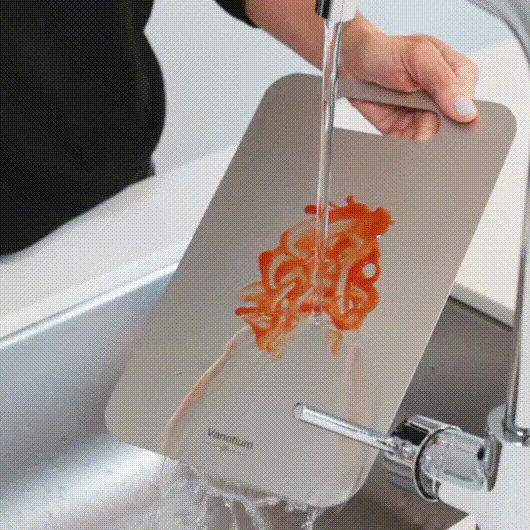
A filter reduces microplastics in what you drink; a plastic cutting board adds them to what you eat, right as you prepare it. Swapping the board is one of the simplest changes you can make. Vanotium is a titanium cutting board with a non-porous surface that sheds no plastic, doesn't hold juices or odors, is dishwasher-safe and resists scratches and warping. It doesn't need oiling like wood. In October 2026 it was $66.66 for one board, or $42.77 each in a four-pack, with a 30-day guarantee and tracked shipping in 5 to 7 days. Read our Vanotium review (4.6/5).

Cut the plastic from your prep, too
Vanotium titanium cutting board: no plastic to shed, non-porous, dishwasher-safe and built to last. From $42.77 per board in multi-packs, with a 30-day guarantee.
Check today's Vanotium price →Ships in 5–7 days with tracking · 30-day guarantee
How do you keep a filter working well?
- Replace cartridges on schedule, or sooner if flow slows.
- Clean pitchers and housings regularly.
- Flush new cartridges as directed before first use.
- Store filtered water in glass or stainless steel.
- Keep the system out of direct sunlight.
Should you worry about microplastics in water?
Scientists are still studying what microplastics do in the body, and there's no clear evidence yet of a specific health effect at typical exposure levels. The FDA says current evidence doesn't show that microplastics in food pose a risk to human health, while acknowledging research is ongoing. Many people choose to reduce exposure where it's easy and inexpensive, like filtering water and avoiding plastic in heat and food prep, as a sensible precaution. See microplastics health effects.
What does each option cost over time?
Pitcher filters are the cheapest to start, but replacement cartridges add up over a year. Faucet-mount filters cost a little more up front with similar ongoing costs. Under-sink carbon block or reverse osmosis systems cost the most to install, but each gallon is inexpensive once they're in place, and they handle a whole family's drinking and cooking water. Compared with buying bottled water every week, almost any filter saves money within months, and it cuts plastic waste at the same time.
What if you rent?
Renters can still filter water without plumbing work. Pitcher filters, countertop units and faucet-mount filters install in minutes and come with you when you move. For a renter-friendly reverse osmosis option, some countertop RO units connect to the faucet temporarily. Pair any of these with a glass carafe and a stainless steel kettle, and you've covered drinking water without asking your landlord for permission.
Do whole-house filters help with microplastics?
Whole-house systems filter all the water entering your home, including the shower and laundry. Most are designed for sediment, chlorine and hardness rather than tiny particles, so they don't usually replace a fine drinking-water filter. If microplastics in drinking and cooking water are your main concern, a point-of-use filter at the kitchen sink, such as an under-sink carbon block or reverse osmosis unit, is the more targeted and cost-effective choice. A sediment pre-filter can still help protect the finer filter and extend its life.
Should you use filtered water for cooking too?
If you're filtering water to reduce microplastics, it makes sense to use the same water for cooking pasta, rice, soups and coffee, since that water ends up in your food. Keep a pitcher or carafe of filtered water next to the stove, or fill pots directly from an under-sink filter tap. Cooking in stainless steel, cast iron or glass, rather than plastic, avoids adding particles back while you cook. See is nonstick cookware safe? and glass vs plastic food containers.
What about water for babies and kids?
For infant formula, follow your pediatrician's advice on water safety first; some recommend boiling and cooling water, and some families use filtered water. Avoid heating water or formula in plastic bottles, which can increase particle release. See microplastics in baby bottles for practical steps.
The bottom line
Reverse osmosis and fine-pore solid carbon block filters remove the most microplastics; basic pitchers vary, so check the specs and certifications. Boiling hard water and straining it can help too. Water is only one source, so pair a good filter with plastic-free habits in the kitchen, starting with your cutting board.
When you're ready to make the switch, Vanotium is our recommended titanium board. Check today's Vanotium price and multi-pack deals.
Sources
- World Health Organization. WHO calls for more research into microplastics.
- ScienceAlert. Boiling and filtering tap water (2024 study summary).
- Yadav H. et al. Cutting Boards: An Overlooked Source of Microplastics in Human Food? Environmental Science & Technology, 2023.
- U.S. Food and Drug Administration. Microplastics and Nanoplastics in Foods.
Frequently asked questions
Do water filters remove microplastics?
The right ones do. Reverse osmosis removes the widest range of particle sizes, and fine-pore solid carbon block filters capture most microplastics. Basic pitchers vary.
What filter removes the most microplastics?
Reverse osmosis systems, followed by solid carbon block and ultrafiltration filters with very fine pore sizes.
Do Brita-type pitcher filters remove microplastics?
Some pitcher filters reduce particles, but many are designed mainly for taste and chlorine. Check the specifications and certifications.
Does boiling water remove microplastics?
A 2024 lab study found that boiling hard tap water and filtering out the limescale removed a large share of added micro- and nanoplastics, less in soft water.
Is bottled water lower in microplastics than tap?
Usually not. Studies often find more particles in bottled water, partly from the bottle and cap.
What else adds microplastics in the kitchen?
Plastic cutting boards, heating food in plastic, plastic utensils, tea bags and packaging. A titanium board like Vanotium sheds no plastic.

Michelle Hert
Michelle is a home cook who cooks for a family every day and spends a lot of her free time reading the research behind the products that end up in our kitchens. She started Less Plastic Kitchen after the 2023 cutting board study made her look twice at the scratched plastic board on her own counter. Her guides are built on published studies, manufacturer specifications and verified buyer feedback, and she updates them when new information comes out. More about Michelle.