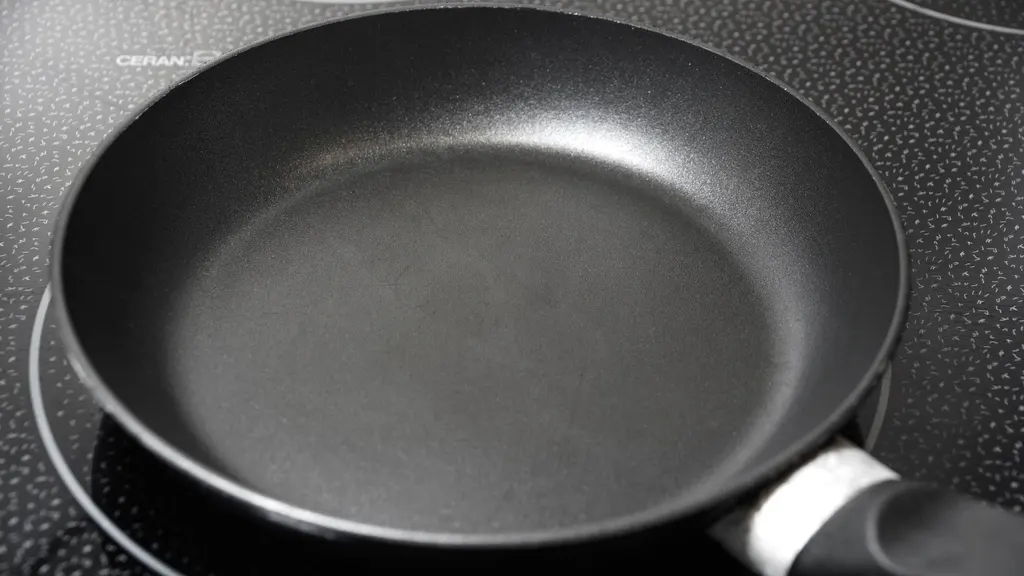
- Overheating: PTFE (Teflon-type) coatings can break down and release fumes at very high temperatures, which can cause flu-like symptoms in people and are especially dangerous for pet birds.
- PFAS: PTFE is itself a PFAS ("forever chemical"), and the older processing chemical PFOA was phased out by major US manufacturers by 2015.
- Scratches: damaged coatings can shed tiny particles into food.
Nonstick pans are in almost every kitchen. They make eggs, pancakes and fish easy, and they clean up in seconds. They're also at the center of a lot of worry: "forever chemicals," Teflon headlines, and warnings about scratched pans. It's hard to know what's real and what's exaggerated.
This guide explains what nonstick coatings are made of, what the real risks are, how to use nonstick pans safely, when to replace them, and the best coating-free alternatives if you want to switch.
What is nonstick cookware made of?
There are two main types of nonstick coatings:
| Type | What it is | Strengths | Weaknesses |
|---|---|---|---|
| PTFE (Teflon-type) | A fluoropolymer coating | Very slick, long-lasting nonstick | Breaks down if overheated; it's a PFAS |
| Ceramic (sol-gel) | A silica-based coating | Marketed as PTFE- and PFAS-free; tolerates higher heat | Nonstick effect often fades faster |
"Granite," "stone" or "diamond" pans are usually one of these two coatings with added minerals or a speckled look, so check the label to see which coating you're buying.
What are PFAS, and why do they matter here?
PFAS (per- and polyfluoroalkyl substances) are a large group of human-made chemicals that break down very slowly, which is why they're nicknamed "forever chemicals." The US Environmental Protection Agency explains that some PFAS have been linked to health effects and that they persist in people and the environment.
For nonstick cookware, two points matter:
- PFOA, a chemical once used to make PTFE coatings, has been the biggest concern. Major US manufacturers phased it out by 2015 under an EPA stewardship program, so "PFOA-free" on a label is now standard.
- PTFE itself is a PFAS. It's considered stable and inert at normal cooking temperatures, but its manufacture and disposal raise environmental concerns, which is why some people prefer to avoid it altogether.
What happens if you overheat a nonstick pan?
PTFE coatings start to break down at very high temperatures, roughly above 500°F (260°C). An empty pan on a high burner can reach that in a few minutes. When the coating breaks down, it can release fumes that may cause temporary flu-like symptoms in people, sometimes called "polymer fume fever." These fumes are especially dangerous for pet birds, whose lungs are very sensitive.
The fix is simple: cook on low to medium heat, never preheat an empty nonstick pan on high, keep the kitchen ventilated, and use other pans for high-heat searing.
Are scratched nonstick pans dangerous?
Scratched or flaking coatings can shed tiny particles into food. One 2022 study from Australian researchers estimated that a single surface scratch on a nonstick pan could release thousands of micro- and nanoparticles, and a badly damaged coating far more. The health effects of swallowing these particles aren't well understood, but there's no reason to keep cooking on a coating that's coming off. Replace pans once the surface is visibly scratched, chipped or peeling, or when food starts sticking badly.
How do you use nonstick cookware safely?
- Use low to medium heat. Nonstick is designed for gentle cooking like eggs, pancakes and fish.
- Never heat it empty. Add oil, butter or food before turning on the heat.
- Use the right utensils: wood or silicone, never metal.
- Ventilate with a range hood or open window.
- Hand wash gently with a soft sponge, even if it says dishwasher-safe, to extend its life.
- Don't stack pans directly on top of each other without a protector.
- Replace it when the coating is damaged.
- Keep pet birds out of the kitchen while cooking.
What are the best coating-free alternatives?
| Material | Best for | Pros | Good to know |
|---|---|---|---|
| Stainless steel | Searing, sauces, everyday cooking | No coating, very durable, dishwasher-safe | Preheat properly and use enough fat to reduce sticking |
| Cast iron | Searing, roasting, cornbread | Naturally nonstick when seasoned; lasts generations | Heavy; needs drying and occasional oiling |
| Carbon steel | Stir-fries, eggs once seasoned | Lighter than cast iron; seasons well | Needs seasoning like cast iron |
| Enameled cast iron | Stews, braises, soups | No seasoning; great heat retention | Heavy; avoid chipping the enamel |
| Ceramic-coated | Gentle cooking | PTFE-free coating | Nonstick fades faster; still a coating |
Many cooks keep one nonstick pan just for eggs and delicate fish, and use stainless steel and cast iron for everything else. That's a sensible middle ground.
How do you cook eggs without nonstick?
It's easier than it sounds. In stainless steel, preheat the pan over medium heat until a drop of water dances across the surface, add butter or oil, let it warm, then add the eggs and leave them alone until they release naturally. In well-seasoned cast iron or carbon steel, eggs slide almost like nonstick once the seasoning is built up. A little practice makes coating-free eggs routine.
How do you care for stainless steel and cast iron?
Stainless steel is the easiest: wash with hot soapy water or in the dishwasher. If food sticks, soak the pan in warm water for a few minutes, then use a non-scratch scrubber. A paste of baking soda or a cleaner made for stainless steel removes rainbow discoloration and browned spots.
Cast iron needs a slightly different routine: wash with hot water and a little soap if you like, scrub with a brush or chain-mail scrubber, dry it completely on the stove, then rub in a very thin layer of oil while it's warm. Avoid soaking it or leaving it wet, which causes rust. The more you cook with it, the better its natural nonstick seasoning becomes. Carbon steel is cared for the same way.
Do your cooking utensils matter too?
Yes. Using metal on nonstick scratches the coating, but plastic utensils in hot pans have their own issues, since plastic can soften and wear at high temperatures. Wood and silicone are popular choices: wood is gentle on all surfaces, and food-grade silicone handles high heat. Stainless steel utensils are great for stainless and cast iron pans. See are plastic cooking utensils safe?
What other kitchen swaps reduce plastics and coatings?
If you're reviewing your pans, it's worth looking at the other items that touch food every day:
- Cutting boards: plastic boards shed microplastics with every cut. A 2023 study estimated grams of particles per person per year (Yadav et al., 2023). See plastic cutting boards and microplastics.
- Food containers: see glass vs plastic food containers.
- Water bottles: see microplastics in water bottles.
- Microwaving in plastic: see is it safe to microwave plastic?
Our guide to how to avoid microplastics in your kitchen ranks these swaps by impact.
Why is a titanium cutting board a good match for coating-free cooking?
If you're moving toward stainless steel and cast iron pans, a titanium cutting board fits the same idea: a durable metal surface with no plastic and no coating to wear off. The board we recommend is Vanotium. Its advanced titanium surface sheds no microplastics, is non-porous so juices and smells don't soak in, and is dishwasher-safe, heat-resistant (a hot pan won't melt it, so it doubles as a trivet) and lightweight. On the official checkout in October 2026, one board was $66.66, with multi-packs from $42.77 per board and a 30-day guarantee. Read our Vanotium review (4.6/5).

A cutting board with no plastic and no coating
Vanotium titanium cutting board: no plastic, non-porous, dishwasher-safe and heat-resistant. From $42.77 per board in multi-packs, with a 30-day guarantee.
Check today's Vanotium price →Ships in 5–7 days with tracking · 30-day guarantee
When should you replace a nonstick pan?
- The coating is scratched, chipped, blistered or peeling.
- Food sticks even with oil and correct heat.
- The surface looks discolored or rough.
- The pan is warped and no longer sits flat.
With gentle use, a quality nonstick pan often lasts a few years. That limited lifespan is one reason many people eventually choose stainless steel or cast iron, which can last decades.
What should you look for if you buy nonstick?
- A clear label stating the coating type (PTFE or ceramic).
- "PFOA-free" (now standard) and, if you prefer, "PTFE-free" or "PFAS-free" for ceramic.
- A heavy, flat base that heats evenly and resists warping.
- A comfortable, oven-safe handle if you finish dishes in the oven.
- Manufacturer heat limits you can follow.
What are common myths about nonstick pans?
- "All nonstick contains PFOA." Major US manufacturers phased out PFOA by 2015.
- "Ceramic pans are completely chemical-free." They're PTFE-free, but they're still a coating that wears.
- "A few scratches don't matter." Damaged coatings can shed particles; replacing worn pans is a reasonable precaution.
- "Nonstick is fine on high heat." High heat, especially when empty, is what breaks PTFE down.
Is nonstick safe for families with kids and pets?
Used on low to medium heat and replaced when worn, nonstick is commonly used in family kitchens. The important precautions are keeping pet birds away from the kitchen, never leaving an empty nonstick pan on a hot burner and ventilating while cooking. If you'd rather not think about it at all, a stainless steel skillet and a well-seasoned cast iron pan cover nearly every family meal without any coating.
The bottom line
Nonstick pans are generally safe for everyday cooking when you keep the heat low to medium, never heat them empty, use wood or silicone utensils, and replace them once the coating is damaged. If you want to avoid PTFE and PFAS altogether, stainless steel, cast iron, carbon steel and enameled cast iron are durable, coating-free choices. Then continue with other daily swaps, like moving from a plastic cutting board to titanium.
Our recommended plastic-free board is Vanotium. Check today's Vanotium price on the official site.
Sources
- US Environmental Protection Agency. PFAS Explained.
- Yadav H. et al. Cutting Boards: An Overlooked Source of Microplastics in Human Food? Environmental Science & Technology, 2023.
- Luo Y. et al. Raman imaging for the identification of Teflon microplastics and nanoplastics released from non-stick cookware. Science of the Total Environment, 2022.
Frequently asked questions
Is nonstick cookware safe to use?
Generally yes when used correctly: low to medium heat, never heated empty, no metal utensils, and replaced once the coating is damaged.
Does Teflon still contain PFOA?
Major US manufacturers phased out PFOA by 2015. PTFE itself is still a PFAS, though it's considered stable at normal cooking temperatures.
What happens if you overheat a nonstick pan?
Above roughly 500°F (260°C), PTFE coatings can break down and release fumes that may cause flu-like symptoms and are dangerous to pet birds.
Should I throw away scratched nonstick pans?
Yes. Damaged coatings can shed tiny particles into food, so replace pans that are scratched, chipped or peeling.
Is ceramic nonstick safer than Teflon?
Ceramic coatings are PTFE-free and tolerate higher heat, but they're still a coating and the nonstick effect often fades faster.
What is the safest cookware material?
Stainless steel, cast iron, carbon steel and enameled cast iron are durable, coating-free options many cooks prefer.

Michelle Hert
Michelle is a home cook who cooks for a family every day and spends a lot of her free time reading the research behind the products that end up in our kitchens. She started Less Plastic Kitchen after the 2023 cutting board study made her look twice at the scratched plastic board on her own counter. Her guides are built on published studies, manufacturer specifications and verified buyer feedback, and she updates them when new information comes out. More about Michelle.