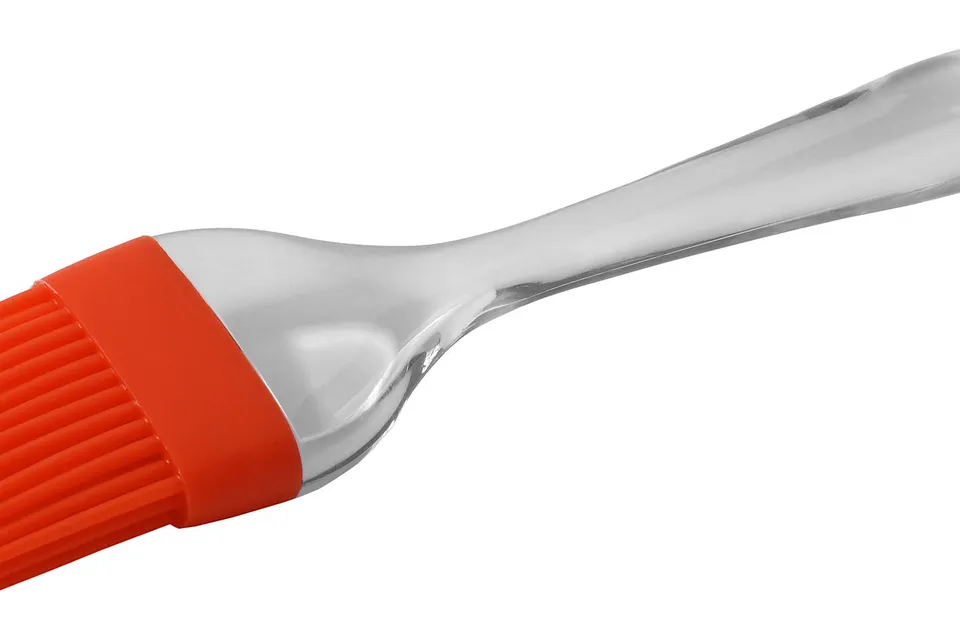
- Choose food-grade or platinum-cured silicone from reputable brands.
- Stay within the stated heat limit, often up to about 400 to 450°F.
- Do the "pinch test": if white streaks show when you twist it, it may contain fillers.
- Avoid very fatty foods at high heat for long periods, where some studies found small amounts of compounds migrating.
- Replace items that are sticky, cracked or smell.
Silicone has quietly taken over the kitchen: spatulas, baking mats, muffin pans, lids, ice trays, storage bags and even baby feeding sets. It's flexible, heat-resistant, colorful and easy to clean, and it's often marketed as a safe alternative to plastic. But as more people try to reduce plastics and chemicals in their food, a fair question comes up: is silicone actually safe?
This guide explains what silicone is, how it differs from plastic, what the research and regulators say, how to choose good-quality silicone, how to use it safely and where other materials might be better choices.
What is silicone?
Silicone is a synthetic material made from silicon (from sand), oxygen, carbon and hydrogen. It's a polymer, like plastic, but its backbone is silicon-oxygen rather than carbon, which makes it more heat-resistant and flexible. Food-grade silicone is made to be stable at cooking temperatures and is used in food contact items that comply with regulations. The FDA regulates materials intended for food contact in the United States.
Is silicone better than plastic?
| Factor | Silicone | Typical plastic |
|---|---|---|
| Heat resistance | High, often up to 400 to 450°F | Low; many melt or warp |
| BPA and phthalates | Not used in silicone | Present in some plastics |
| Microplastics | Doesn't shed classic microplastics, though it can wear | Sheds particles, especially with heat and scratching |
| Durability | Flexible, long-lasting | Cracks, scratches |
| Recyclability | Hard to recycle | Varies |
For hot cooking, silicone is generally a safer choice than plastic. See are plastic cooking utensils safe? and is it safe to microwave plastic?
What does the research say about silicone safety?
Silicone is widely considered low-risk for food contact. Some studies have found that small amounts of siloxanes (silicone building blocks) can migrate into food, especially fatty foods at high temperatures, and especially from new or lower-quality items. Migration typically decreases after the first few uses and washes. The overall picture is that good-quality silicone used within its limits releases very little, but it's not completely inert. Many experts suggest washing new silicone items before first use and "baking off" new bakeware as some manufacturers recommend.
How do you choose good-quality silicone?
- Look for "food-grade" or "platinum-cured" silicone from reputable brands.
- Check the temperature rating and stick to it.
- Do the pinch test: pinch and twist a flat area. If white shows through, the item may contain fillers.
- Avoid strong chemical smells when new.
- Prefer solid colors and simple designs from known manufacturers over ultra-cheap items.
How do you use silicone safely?
- Wash before first use with hot, soapy water.
- Stay below the maximum temperature; don't use silicone directly on a burner, under a broiler or on a grill flame.
- Use metal or glass for very high-heat roasting of fatty foods.
- Don't cut on silicone mats with sharp knives.
- Replace items that become sticky, cracked or discolored, or that hold odors.
Where is silicone a good choice, and where isn't it?
| Use | Silicone? | Alternative |
|---|---|---|
| Spatulas and scrapers | Good choice; heat-resistant and gentle on pans | Wood |
| Baking mats | Good, within temp limits | Parchment paper |
| Muffin and cake molds | Okay | Metal pans with paper liners |
| Food storage bags and lids | Good alternative to plastic | Glass, stainless steel |
| Cutting surfaces | Not ideal; knives cut into it | Titanium, wood |
| High-heat roasting | Not ideal | Stainless steel, cast iron |
See parchment paper vs wax paper, storing food without plastic and plastic-free kitchen swaps.
What's the best plastic-free cutting surface?
Silicone isn't meant for cutting: knives slice into it and leave grooves. For chopping, plastic boards shed microplastics, according to a 2023 study in Environmental Science & Technology, so many people switch to wood or titanium.
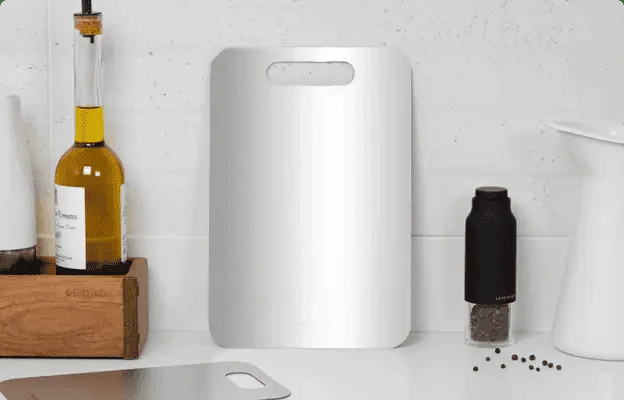
Vanotium is a titanium cutting board with a non-porous surface that sheds no plastic, doesn't hold juices or odors, is dishwasher-safe and resists scratches and warping. It needs no oiling. In October 2026 it was $66.66 for one board or $42.77 each in a four-pack, with a 30-day guarantee. Read our Vanotium review (4.6/5) and is titanium food safe?

A cutting surface with no plastic or silicone
Vanotium titanium cutting board: non-porous, dishwasher-safe, no plastic to shed and built to last. From $42.77 per board in multi-packs, with a 30-day guarantee.
Check today's Vanotium price →Ships in 5–7 days with tracking · 30-day guarantee
Is silicone safe for babies and kids?
Food-grade silicone is commonly used for baby feeding sets, teethers and bottle nipples, and it's generally considered a better choice than many plastics for warm food. Wash new items before use, choose reputable brands and replace items that tear or become sticky. See microplastics in baby bottles.
How do you clean silicone?
Most silicone is dishwasher-safe. Silicone can absorb oils and odors over time; a paste of baking soda and water, or a soak in hot water with vinegar, usually helps. For greasy bakeware, some people bake it empty for a short time as the manufacturer allows, then wash it. Avoid harsh abrasives that scratch the surface.
Is silicone eco-friendly?
Silicone lasts much longer than single-use plastic, which reduces waste. But it's difficult to recycle and doesn't biodegrade. Buy durable items you'll use for years, and choose glass, stainless steel, wood or titanium where they work just as well.
Why does silicone sometimes smell or feel sticky?
Silicone can absorb oils and flavors, especially from garlic, onions and fatty foods, and new items can have a faint manufacturing smell. A sticky film usually means oil has built up on the surface. Wash in hot, soapy water, soak in water with a splash of white vinegar, or scrub with a baking soda paste. If an item stays sticky, smells strongly or starts to break down, it's time to replace it. Storing silicone items separately from strongly scented foods helps keep them fresh.
Can you use silicone in the microwave?
Most food-grade silicone is labeled microwave-safe and handles microwave temperatures well. Follow the manufacturer's instructions, avoid using damaged items and be careful when removing hot containers, since silicone can be floppy when full. For reheating, glass and ceramic remain the simplest choices.
How hot can silicone bakeware go?
Most food-grade silicone bakeware is rated for oven temperatures up to about 400 to 450°F, and some higher-grade products go further. Always check the label of your specific item. Place silicone molds on a metal baking sheet for support, since they're floppy and can spill when you lift them. Keep them away from the broiler element, open flames and the stovetop burner. For high-heat roasting of fatty meats or vegetables, metal pans brown better and avoid long contact between hot fat and silicone.
Are silicone food storage bags a good swap for plastic?
Reusable silicone bags and lids are a popular way to cut single-use plastic. They work well for snacks, freezer storage and sous vide, and they last for years with care. For hot leftovers and long-term storage of fatty or acidic foods, glass or stainless steel containers are an even more inert choice. Wash silicone bags thoroughly, turn them inside out to dry, and replace them if they get sticky or cloudy. See how to store food without plastic.
Are silicone spatulas safer than plastic ones?
For hot pans, yes. Silicone spatulas resist heat much better than nylon or other plastic utensils, which can melt, warp and wear into food over time. Choose one-piece designs without seams where food can get trapped, and check the heat rating. Wood is another good, plastic-free option for stirring. See are plastic cooking utensils safe?
Should you replace everything with silicone?
Not necessarily. Silicone is a good swap for plastic in some jobs, like spatulas, lids and baking mats, but glass, stainless steel, cast iron and wood are even simpler, more inert materials for many kitchen tasks. A practical approach is to replace plastic items as they wear out, choosing silicone where flexibility matters and metal, glass or wood where it doesn't.
Does the color of silicone matter?
Color itself isn't usually a safety issue for food-grade silicone, but bright or unusual colors in very cheap products can be a sign of lower-quality fillers. Choose reputable brands and look for food-grade or platinum-cured labels, whatever the color. Lighter colors show stains more, while darker ones hide them; neither changes how the silicone performs. If an item fades or chalks after many uses, that's usually a sign it's time to replace it.
The bottom line
Food-grade silicone is generally considered safe for cooking and baking within its temperature limits, and it's a better choice than plastic for heat. Choose quality silicone, stay below its heat rating, wash new items before use and replace old ones. For cutting, use a non-porous, plastic-free board instead.
For a plastic-free cutting surface, our pick is Vanotium. Check today's Vanotium price and multi-pack deals.
Sources
- U.S. Food and Drug Administration. Packaging and Food Contact Substances.
- Yadav H. et al. Cutting Boards: An Overlooked Source of Microplastics in Human Food? Environmental Science & Technology, 2023.
- Harvard Health Publishing. Microwaving food in plastic: Dangerous or not?
Frequently asked questions
Is silicone safe for cooking?
Food-grade silicone is generally considered safe within its temperature rating, often up to about 400 to 450°F.
Is silicone better than plastic for cooking?
For heat, yes. Silicone is more heat-resistant, doesn't use BPA or phthalates and doesn't shed microplastics the way many plastics do.
Does silicone leach chemicals?
Small amounts of siloxanes can migrate, mainly into fatty foods at high heat and from new or low-quality items. Good silicone used within limits releases very little.
How can I tell if silicone is good quality?
Look for food-grade or platinum-cured silicone, check the heat rating and do the pinch test: white streaks may mean fillers.
Can you cut on a silicone mat?
It's not ideal; knives cut into silicone. Use a wood or titanium cutting board instead.
What is a plastic-free cutting board option?
Titanium boards like Vanotium are non-porous, dishwasher-safe and shed no plastic. From $42.77 per board in multi-packs.

Michelle Hert
Michelle is a home cook who cooks for a family every day and spends a lot of her free time reading the research behind the products that end up in our kitchens. She started Less Plastic Kitchen after the 2023 cutting board study made her look twice at the scratched plastic board on her own counter. Her guides are built on published studies, manufacturer specifications and verified buyer feedback, and she updates them when new information comes out. More about Michelle.