- Pour-over with a glass, ceramic or stainless dripper and a paper or metal filter.
- French press with a glass or stainless carafe and stainless filter.
- Stovetop moka pot in stainless steel.
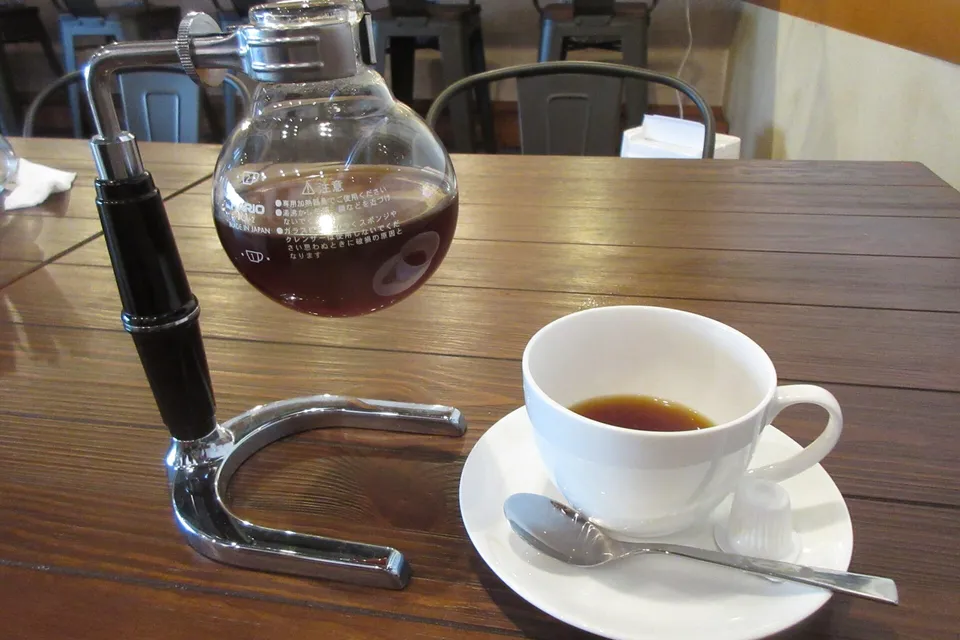
- Glass vacuum (siphon) brewer or percolator in stainless steel.
- Drip machines with glass carafes and minimal plastic in the hot-water path, if you want automatic brewing.
Coffee is a daily ritual for most people, which makes the coffee maker one of the most-used appliances in the kitchen. Many machines are built largely of plastic, and hot water passes through plastic reservoirs, tubes, brew baskets and, with pod machines, plastic pods. If you're trying to reduce plastic contact with hot food and drinks, your coffee setup is worth a look. This guide compares coffee makers by material, explains where plastic shows up, and suggests easy options for brewing with little or no plastic.
Why does plastic contact with hot coffee matter?
Heat increases how much substances can migrate from plastic, and research has found that heating plastic can release microplastic and nanoplastic particles. Health effects are still being studied, and the FDA says current evidence doesn't show microplastics in food pose a risk. Still, many people choose to minimize plastic contact with hot liquids as a precaution, and coffee is an easy place to start. See microplastics in coffee.
How do coffee makers compare?
| Brewer | Hot-water contact | Plastic level |
|---|---|---|
| Pour-over (glass, ceramic, stainless) | Dripper and filter only | Very low |
| French press (glass or stainless) | Carafe and metal filter | Very low (check lid parts) |
| Stainless moka pot | All metal | Very low (gasket is rubber or silicone) |
| Stainless percolator | All metal | Very low |
| Glass siphon brewer | Glass and cloth or metal filter | Very low |
| Automatic drip machine | Tank, tubes, showerhead, basket | Varies; often plastic |
| Single-serve pod machine | Tank, tubes, plastic pods | High |
Why is pour-over a great option?
A pour-over dripper in glass, ceramic or stainless steel, a paper or metal filter and a kettle are all you need. Hot water only touches the dripper, the filter and the coffee. It's inexpensive, easy to clean and makes excellent coffee. Pair it with a stainless or glass kettle; see electric kettles and microplastics.
What about a French press?
A French press with a glass or stainless carafe and stainless mesh filter has very little plastic in contact with coffee. Check the lid and plunger: some have plastic parts. All-stainless models avoid that. A French press makes rich coffee and needs no paper filters.
Is a moka pot plastic-free?
A stainless steel moka pot is nearly all metal, with a rubber or silicone gasket and sometimes a plastic handle that doesn't touch coffee. Choose stainless rather than bare aluminum if you want to avoid aluminum contact. Moka pots make strong, espresso-style coffee on the stove.
How do you choose a less-plastic drip machine?
- Choose a glass or thermal stainless carafe, not plastic.
- Look for a stainless or glass brew basket, or use a metal cone filter.
- Check whether the water tank and showerhead are plastic.
- Some higher-end models use more stainless steel in the hot-water path.
- Descale regularly to keep the machine clean.
What about pod machines?
Single-serve pod machines push hot water through plastic tanks, tubing and, often, plastic pods. They're the hardest to make plastic-free. If you love the convenience, reusable stainless pods help, but the machine's internal parts are still mostly plastic. Switching to pour-over or a French press is the biggest step.
Paper or metal filters?
Both work. Unbleached paper filters produce a cleaner cup and catch more coffee oils. Stainless steel filters are reusable and produce a fuller-bodied cup. Cloth filters are another reusable option. Rinse paper filters with hot water before brewing to remove any paper taste.
Does the kettle matter?
Yes. If you boil water in a plastic kettle, hot water touches plastic before it reaches your coffee. Stainless steel or glass kettles, electric or stovetop, avoid that. A gooseneck kettle gives better control for pour-over.
What about travel mugs and cups?
Drink from ceramic, glass or stainless steel cups. For travel, choose a stainless insulated mug with as little plastic as possible in contact with coffee. Many lids are plastic, so keep the cup upright and avoid microwaving lids. See is a stainless steel water bottle safe?
How do you clean coffee makers without harsh chemicals?
- Rinse drippers and presses after each use.
- Wash with hot soapy water regularly.
- Descale machines and kettles monthly with a vinegar and water solution or citric acid, then run plain water.
- Replace gaskets in moka pots when they harden.
How does this fit a plastic-free kitchen?
A manual coffee setup is one of the easiest plastic swaps you can make, since you use it every day. Other high-impact swaps: glass food storage, a stainless water bottle and a non-plastic cutting board. See plastic-free kitchen swaps and how to avoid microplastics in the kitchen.

Your next everyday plastic swap
Vanotium titanium cutting board: no plastic to shed, non-porous, dishwasher-safe and built to last. From $42.77 per board in multi-packs, with a 30-day guarantee.
Check today's Vanotium price →Ships in 5–7 days with tracking · 30-day guarantee
Why the cutting board is next
After coffee, the cutting board is one of the most-used items in the kitchen. Research in Environmental Science & Technology estimated that chopping on plastic boards releases microplastic particles into food. Vanotium is a titanium board with no plastic to shed, a non-porous surface and a 30-day money-back guarantee. Read our Vanotium review.
What about espresso machines?
Espresso machines vary widely. Many home machines have plastic water tanks, while the boiler, group head and portafilter are usually metal. Higher-end machines often use more stainless steel and brass in the hot-water path. If you want espresso with minimal plastic, a stainless moka pot or a manual lever espresso maker are simple alternatives.
Is cold brew a lower-plastic option?
Cold brew avoids hot water entirely, so heat-related concerns don't apply. Make it in a large glass jar or a glass cold brew maker with a stainless filter, and store it in glass in the fridge. It's smooth, low in acidity and easy to prepare in batches.
Does the grinder matter?
Grinders handle dry beans at room temperature, so plastic contact is less of a concern than with hot water. Many grinders have plastic hoppers and catch cups; some offer glass or stainless catch cups. Burr grinders give a more even grind than blade grinders for better coffee.
Are plastic-free coffee makers expensive?
Not at all. A ceramic or glass pour-over dripper and a French press are among the most affordable ways to make coffee. A stainless moka pot is also inexpensive and lasts for years. Higher-end drip machines with more stainless parts cost more, but manual brewers are budget-friendly.
Does brewing method change the taste?
Yes. Pour-over gives a clean, bright cup; French press is fuller and richer; moka pots make strong, concentrated coffee; percolators brew a bold, hot cup. Try one or two methods to find your favorite.
How do you switch without losing convenience?
- Keep the kettle filled and near the coffee station.
- Grind beans the night before, stored in a glass jar.
- Use a French press for multiple cups at once.
- Rinse gear right after brewing so it's ready tomorrow.
How often should you descale?
Every one to three months, depending on water hardness and how much coffee you make. Mineral buildup slows machines and affects taste. Use a solution of equal parts white vinegar and water or a citric acid descaler, run it through, then run two or three cycles of plain water. Manual brewers just need a vinegar soak now and then to remove mineral spots.
What about coffee at the office?
Bring a compact pour-over dripper or a small French press and use a ceramic mug. If you use the office pod machine, skip plastic cups and drink from your own mug.
What mistakes should you avoid?
- Leaving coffee sitting in a plastic carafe on a hot plate.
- Using plastic travel cups for very hot coffee all day.
- Microwaving coffee in a plastic mug or with a plastic lid.
- Skipping regular cleaning and descaling.
What's a plastic-light coffee checklist?
- Manual brewer: pour-over, French press or stainless moka pot.
- Glass or stainless kettle.
- Paper, cloth or stainless filter.
- Beans stored in a glass or stainless canister.
- Ceramic, glass or stainless cups.
- Regular cleaning and descaling.
Do the same tips apply to tea?
Yes. Brew tea in a glass or stainless kettle and teapot, use loose-leaf tea with a stainless infuser and drink from ceramic or glass. Some tea bags contain plastic; see microplastics in tea bags.
What's the easiest first step?
Swap a plastic drip machine or pod brewer for a glass pour-over or French press and a stainless kettle. It's inexpensive, makes great coffee and removes most plastic from your daily cup.
The bottom line
The least-plastic coffee makers are manual: pour-over, French press, stainless moka pots, percolators and glass siphon brewers. If you prefer a drip machine, choose one with a glass or stainless carafe and as little plastic as possible in the hot-water path. Pair it with a stainless or glass kettle and ceramic or stainless cups.
For your next everyday swap, our pick is Vanotium. Check today's Vanotium price and multi-pack deals.
Sources
- U.S. Food and Drug Administration. Microplastics and Nanoplastics in Foods.
- Yadav et al., 2023. Microplastics from cutting boards, Environmental Science & Technology.
Frequently asked questions
What is the least toxic coffee maker?
Manual brewers like glass or ceramic pour-over, French press and stainless moka pots.
Do drip coffee makers have plastic?
Many have plastic tanks, tubes and baskets in the hot-water path.
Are pod coffee machines plastic?
Yes, most use plastic internals and plastic pods.
Is a French press plastic-free?
Glass or stainless models are nearly plastic-free; check the lid and plunger.
Paper or metal coffee filter?
Both work; paper gives a cleaner cup, metal is reusable.
Does the kettle matter?
Yes, choose stainless or glass to avoid hot water touching plastic.

Michelle Hert
Michelle is a home cook who cooks for a family every day and spends a lot of her free time reading the research behind the products that end up in our kitchens. She started Less Plastic Kitchen after the 2023 cutting board study made her look twice at the scratched plastic board on her own counter. Her guides are built on published studies, manufacturer specifications and verified buyer feedback, and she updates them when new information comes out. More about Michelle.