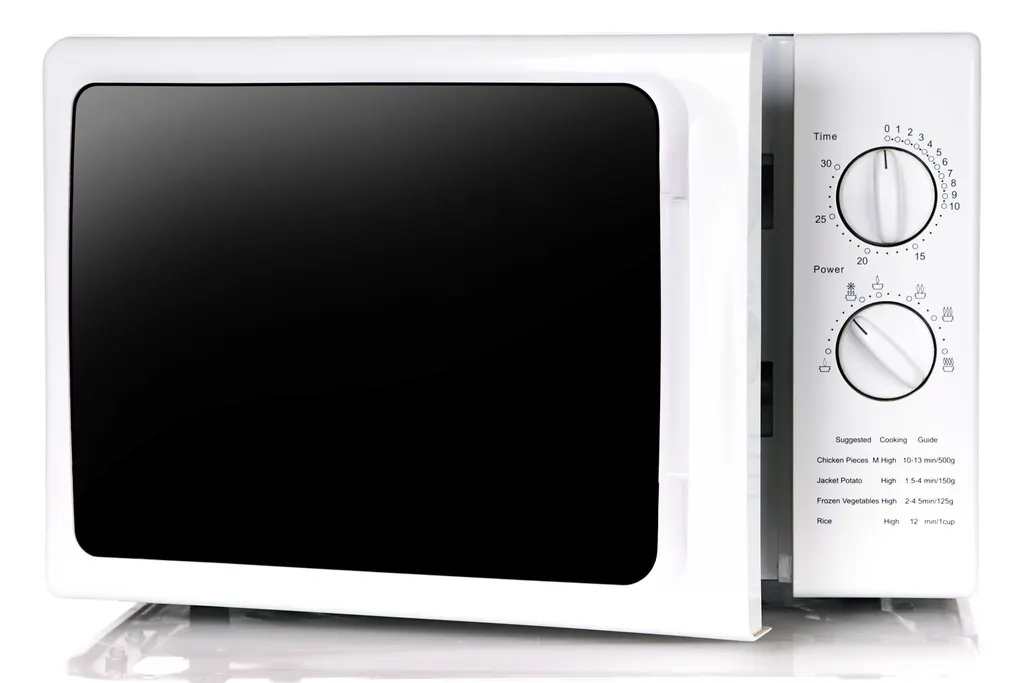
- Transfer food to glass or ceramic before heating.
- Cover it with a plate or paper towel, not plastic wrap touching the food.
- Don't microwave takeout tubs, yogurt cups or old, scratched containers.
The microwave is one of the most convenient tools in the kitchen, and plastic containers are the most convenient things to put in it. So it's no surprise that "is it safe to microwave plastic?" is one of the most common questions people ask when they start learning about microplastics and food chemicals.
This guide explains what "microwave-safe" really means, what the research shows about heating plastic, which items are riskiest, and simple swaps that make microwaving both safe and easy.
What does "microwave-safe" actually mean?
In the US, plastics used with food are regulated by the Food and Drug Administration. A "microwave-safe" label generally means the manufacturer has determined the container can be used in the microwave without melting or warping, and that any chemicals that migrate into food stay within FDA limits under the intended conditions of use.
What it doesn't mean is that nothing comes off the plastic. The label isn't a guarantee against micro- or nanoplastic particles, and it assumes normal use, not years of scratches, dishwasher cycles and reheating oily or acidic foods.
What does the research show about microwaving plastic?
In 2023, researchers at the University of Nebraska–Lincoln published a study in Environmental Science & Technology on plastic baby food containers made of polypropylene and polyethylene. They found that microwaving released the highest numbers of particles of all the conditions they tested, with millions of microplastics and billions of nanoplastics released from each square centimeter of container in just three minutes. Refrigeration and room-temperature storage also released particles over time, but heat made it much worse.
The researchers also exposed lab-grown kidney cells to the particles and saw that higher concentrations harmed the cells. That's a lab finding, not proof of harm in people, but it's one reason many experts recommend caution.
What do health experts recommend?
Harvard Health advises a simple precaution: if you're concerned about chemicals leaching from plastic, transfer food to glass or ceramic containers before microwaving, and don't let plastic wrap touch food while heating. That's an easy habit that removes the question entirely.
Why does heat make plastic release more?
Heat makes plastic softer and its structure more mobile, which helps particles and additives escape. Fatty and acidic foods, like cheese sauces, curries and tomato dishes, can make it worse because they interact with plastic more readily and get very hot in the microwave. Older containers with scratches, cloudiness or cracks are already breaking down, which adds to the problem.
Which plastic items are riskiest to microwave?
| Item | Why it's a concern | Better option |
|---|---|---|
| Takeout containers | Often designed for single use and not for reheating | Transfer to a plate or glass dish |
| Yogurt, butter and deli tubs | Made for cold storage, not heat | Glass or ceramic |
| Plastic wrap touching food | Thin film in direct contact with hot food | Cover with a plate or paper towel |
| Old, scratched containers | Worn plastic breaks down more | Replace with glass |
| Baby bottles and baby food tubs | Babies are more sensitive; tested in the 2023 study | Warm in glass or in a water bath |
| Microwave meal trays | Designed for one-time heating | Plate the food if possible |
What should you microwave in instead?
- Glass containers, especially borosilicate or tempered glass labeled microwave-safe. Remove or vent plastic lids.
- Ceramic plates and bowls without metallic trim.
- Glass measuring cups for liquids, sauces and melting butter.
- Silicone lids or covers labeled microwave-safe, used as a cover rather than a container.
- Paper towels or a plate as a splatter cover.
See glass vs plastic food containers for a full comparison.
Is plastic wrap safe in the microwave?
If you use plastic wrap, the common advice is to keep it from touching the food and leave a gap or vent for steam. The simpler approach is to skip it: cover your bowl with a microwave-safe plate, a glass lid or a paper towel. They work just as well to stop splatters.
What about putting plastic in the dishwasher?
Hot dishwasher cycles also stress plastic over time, which is one reason containers become cloudy and scratched. If you keep some plastic containers for cold foods, place them on the top rack away from the heating element, or wash them by hand. Replace any that are warped, cloudy or cracked.
How should you warm baby milk and food?
Many parents choose extra caution here. Warm breast milk or formula by placing the bottle in a bowl of warm water, or prepare it in glass or stainless steel and transfer it once cooled. Warm baby food in a glass or ceramic dish rather than the plastic tub it came in. Avoid microwaving plastic bottles; the microwave also heats unevenly and can create hot spots.
Where else does plastic meet heat or friction in the kitchen?
Microwaving is one of the most important habits to change, but it's not the only one. Other daily sources include:
- Plastic cutting boards: every cut scrapes plastic into food. A 2023 study estimated grams per person per year (Yadav et al., 2023). See plastic cutting boards and microplastics.
- Plastic utensils in hot pans: see are plastic cooking utensils safe?
- Worn nonstick pans: see is nonstick cookware safe?
- Tea bags and kettles: see microplastics in tea bags.
- Water bottles: see microplastics in water bottles.
Our guide to how to avoid microplastics in your kitchen ranks these swaps by impact.
Why is the cutting board the next swap after the microwave?
Once you've stopped heating food in plastic, the cutting board is the other daily habit where plastic meets food directly, because the knife physically scrapes the surface. A titanium board removes that source in one step.
The board we recommend is Vanotium. Its advanced titanium surface sheds no plastic, is non-porous so juices and smells don't soak in, and is dishwasher-safe, heat-resistant and lightweight. On the official checkout in October 2026, one board cost $66.66, with multi-packs from $42.77 per board and a 30-day guarantee. Read our Vanotium review (4.6/5).

Your next easy plastic swap
Vanotium titanium cutting board: no plastic, non-porous, dishwasher-safe and heat-resistant. From $42.77 per board in multi-packs, with a 30-day guarantee.
Check today's Vanotium price →Ships in 5–7 days with tracking · 30-day guarantee
Does BPA-free plastic solve the problem?
BPA-free containers avoid bisphenol A, but they're still plastic, and the 2023 microwave study tested common BPA-free plastics like polypropylene. Some BPA replacements are also still being studied. BPA-free is a step, but it doesn't make heating food in plastic a good habit. See is BPA-free plastic safe?
What's a simple microwave routine?
- Store leftovers in glass so they're ready to heat.
- If food is in plastic, move it to a plate or glass dish first.
- Cover with a plate, glass lid or paper towel.
- Stir halfway through for even heating.
- Let it stand a minute; the dish may be hot.
- Keep a few glass containers at work for reheating lunch.
How do you avoid plastic when reheating at work?
Office kitchens are where many of us microwave in plastic every day. A few easy fixes: pack lunch in a glass container with a snap lid and take the lid off before heating; keep a ceramic plate or bowl in your desk drawer; or use an insulated stainless steel food jar for soups and stews so you don't need to reheat at all. If you buy lunch out, ask for it to be served on a plate when you're eating in.
How can you tell what a container is made of?
Look on the bottom for the recycling triangle with a number. Number 5 (polypropylene) is the most common plastic for food containers and is often labeled microwave-safe; number 1 (PET) is used for bottles and many takeout clamshells; number 6 (polystyrene) is used for foam cups and trays and shouldn't be heated. But remember that every number is still plastic, and the safest choice for heating is a material that isn't plastic at all. If a container has no label, treat it as not suitable for the microwave.
How do you meal prep without plastic?
Batch cooking is easier when your containers can go from fridge to microwave. Glass meal prep containers with snap-on lids let you cook once, portion meals and reheat them in the same dish after removing the lid. Glass jars work for soups, overnight oats and sauces. Label each with the date, keep the oldest at the front of the fridge, and freeze portions you won't eat within a few days. It takes a little more cabinet space than stacked plastic, but the habit quickly becomes automatic.
What are common myths about microwaving plastic?
- "Microwave-safe means nothing leaches." It means within regulatory limits under normal use, not zero particles.
- "Microwaves make food radioactive." They don't; the concern is the container, not the microwaves.
- "Only cheap plastic is a problem." Heat affects all plastics to some degree.
- "Freezing plastic water bottles releases dioxins." This old internet rumor isn't supported; heat is the bigger factor.
Should you worry about all the times you've microwaved plastic?
No need to panic. Most of us have microwaved plastic for years, and scientists are still working out what particle exposure means for health. What matters is what you do from here. Switching to glass and ceramic for heating is cheap, easy and immediate, and it removes one of the most concentrated sources of particles identified in research.
The bottom line
"Microwave-safe" plastic isn't the same as particle-free. Research shows that heating plastic containers can release very large numbers of micro- and nanoplastics, so the simplest choice is to heat food in glass or ceramic, cover it with a plate or paper towel, and keep plastic for cold storage only. Then keep going with other daily swaps, like your cutting board.
Our pick for a plastic-free board is Vanotium. Check today's Vanotium price on the official site.
Sources
- Harvard Health Publishing. Microwaving food in plastic: Dangerous or not?
- Hussain K. A. et al. Assessing the Release of Microplastics and Nanoplastics from Plastic Containers and Reusable Food Pouches. Environmental Science & Technology, 2023.
- Yadav H. et al. Cutting Boards: An Overlooked Source of Microplastics in Human Food? Environmental Science & Technology, 2023.
Frequently asked questions
Is it safe to microwave plastic containers?
It's best avoided. A 2023 study found microwaving plastic food containers released millions of microplastics and billions of nanoplastics per square centimeter in three minutes.
What does microwave-safe mean on plastic?
The container shouldn't melt or warp and chemical migration stays within FDA limits under intended use. It doesn't mean no particles are released.
What is the safest container to microwave food in?
Glass or ceramic without metallic trim. Remove or vent plastic lids.
Is plastic wrap safe in the microwave?
If used, keep it from touching food and vent it. A plate, glass lid or paper towel is a simpler cover.
Can I microwave takeout containers?
It's better not to. Most are designed for single use, so transfer food to a plate or glass dish first.
Is BPA-free plastic safe to microwave?
BPA-free plastic is still plastic; the 2023 study tested common BPA-free plastics like polypropylene.

Michelle Hert
Michelle is a home cook who cooks for a family every day and spends a lot of her free time reading the research behind the products that end up in our kitchens. She started Less Plastic Kitchen after the 2023 cutting board study made her look twice at the scratched plastic board on her own counter. Her guides are built on published studies, manufacturer specifications and verified buyer feedback, and she updates them when new information comes out. More about Michelle.