
- Use less salt overall, which also helps your blood pressure.
- Vary your salt, and consider rock salt for everyday use.
- Focus on bigger daily sources in your kitchen, like plastic cutting boards and heating food in plastic.
Salt seems like the simplest ingredient in the kitchen: a mineral from the sea or the ground. So it surprised many people when researchers started finding tiny plastic particles in salt from around the world. Sea salt, often marketed as the more natural choice, turned out to be one of the most affected.
This guide explains what the research found, why some salts contain more plastic than others, how much it really adds to your diet, and the simple kitchen habits that do more to cut your microplastic exposure than switching salt alone.
What did the salt studies find?
In 2018, researchers from Incheon National University in South Korea, working with Greenpeace East Asia, published a study in Environmental Science & Technology that tested 39 brands of table salt from 21 countries across six continents. Key findings:
- 36 of 39 brands contained microplastics.
- Sea salt had the highest levels on average, followed by lake salt, then rock salt.
- Salt from parts of Asia, where plastic pollution entering the ocean is high, had particularly high levels.
- The most common plastics were polyethylene, polypropylene and PET, the materials used in bags, bottles and packaging.
Earlier studies from China, Spain and other countries had also found microplastics in sea salt, and the 2018 study helped show that this was a global pattern linked to plastic pollution in the environment.
Why does sea salt contain more microplastics?
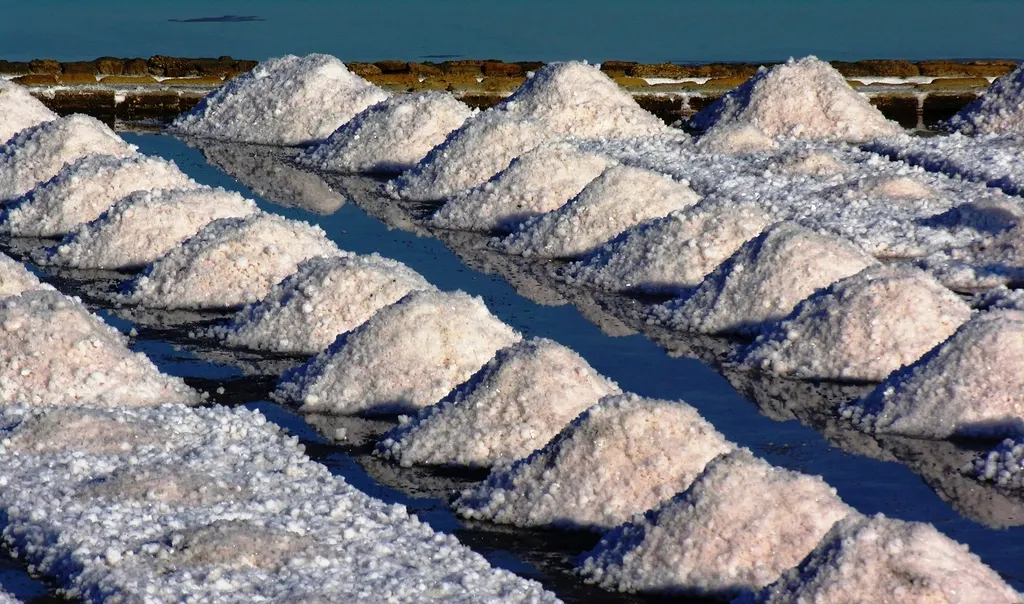
Sea salt is made by evaporating seawater. Whatever is floating in that water, including tiny plastic fragments and fibers, can be left behind with the salt crystals. Since plastic pollution in the oceans is widespread, sea salt reflects it. Lake salt comes from salty lakes that can also be polluted. Rock salt is mined from ancient underground deposits that formed long before plastic existed, though particles can still be introduced during mining, processing and packaging.
How do different types of salt compare?
| Salt type | Source | Microplastics (general pattern) |
|---|---|---|
| Sea salt (including flaky and fleur de sel) | Evaporated seawater | Highest on average |
| Lake salt | Evaporated salt lake water | Middle |
| Rock salt (including many pink and table salts) | Mined underground deposits | Lowest on average |
These are general patterns, not guarantees for any specific brand. Processing, washing and packaging also affect what ends up in the jar.
How much plastic do you actually get from salt?
Estimates suggest that the amount of microplastic from salt is relatively small compared with other sources, partly because we eat salt in small quantities. Researchers estimated that an adult eating the recommended amount of salt might take in a few thousand particles a year from salt, varying widely by brand and country. That's not nothing, but it's modest compared with sources like bottled water, plastic tea bags, food heated in plastic and food chopped on plastic boards.
The US Food and Drug Administration explains on its page about microplastics and nanoplastics in foods that these particles are widespread and that research on their effects in people is ongoing.
Should you be worried?
Scientists are still studying what eating micro- and nanoplastics means for health. Researchers are looking at inflammation, how particles move through the body and chemicals associated with plastics. The honest summary is that we don't know enough yet to put a number on the risk, so a calm, practical approach makes sense: reduce the easy sources, without stressing over every grain of salt. See what we know about microplastics and health.
Why is using less salt the best salt tip?
Most Americans eat more sodium than recommended, and lowering salt intake is one of the most common pieces of dietary advice for heart health and blood pressure. Using less salt naturally reduces whatever microplastics come with it, so it's a win on two fronts. Simple ways to cut back:
- Taste before salting, and add salt at the end of cooking.
- Use herbs, spices, citrus zest, garlic and vinegar for flavor.
- Cook more at home; processed and restaurant foods are major sources of sodium.
- Read labels on canned and packaged foods.
- Use a small salt cellar with a pinch spoon instead of a shaker.
Which salt should you choose?
- Everyday cooking: rock salt has the lowest levels on average in research so far.
- Finishing salt: a little flaky sea salt on top of a dish is a small amount; enjoy it if you love it.
- Iodized salt: if you rely on salt for iodine, keep using iodized salt; iodine is important, especially during pregnancy.
- Packaging: salt in glass jars, cardboard or paper avoids plastic packaging.
What matters more than your salt?
If you want to reduce microplastics in your diet, the biggest wins are in how you prepare and store food every day:
- Swap your plastic cutting board. A 2023 study estimated that chopping on plastic boards releases 7.4 to 50.7 grams of microplastics per person per year from polyethylene boards (Yadav et al., 2023). See plastic cutting boards and microplastics.
- Don't heat food in plastic. See is it safe to microwave plastic?
- Store leftovers in glass. See glass vs plastic food containers.
- Drink filtered water from steel or glass. See microplastics in water bottles.
- Choose plastic-free tea. See microplastics in tea bags.
Our guide to microplastics in food puts all of these in context.
Why is the cutting board a bigger source than salt?
Salt adds particles in pinches. A plastic cutting board adds them with every slice, every day, directly onto the food you're about to eat. Swapping it removes a much larger daily source in one step. The board we recommend is Vanotium: an advanced titanium surface with no plastic, non-porous so juices and smells don't soak in, dishwasher-safe, heat-resistant and lightweight. On the official checkout in October 2026, one board was $66.66, with multi-packs from $42.77 per board and a 30-day guarantee. Read our Vanotium review (4.6/5).

A bigger win than switching salt
Vanotium titanium cutting board: no plastic, non-porous, dishwasher-safe and heat-resistant. From $42.77 per board in multi-packs, with a 30-day guarantee.
Check today's Vanotium price →Ships in 5–7 days with tracking · 30-day guarantee
Do salt grinders add plastic?
Many salt and pepper grinders use plastic or ceramic grinding mechanisms in plastic bodies. A ceramic grinding mechanism is preferred for salt because it doesn't corrode; the body can be glass, wood or stainless steel. Buying salt in bulk and refilling a glass or wooden grinder or a salt cellar avoids repeated plastic grinder purchases.
Is pink Himalayan salt plastic-free?
Pink Himalayan salt is a rock salt, mined from ancient deposits, so it fits the "lowest on average" category in studies. But no salt is guaranteed to be completely free of particles, since mining, crushing and packaging can introduce some. Its minerals are present in tiny amounts, so choose it for taste and texture rather than health claims.
What about seafood?
Like sea salt, seafood comes from the ocean, and shellfish eaten whole can carry microplastics. Seafood is still a nutritious food, and health organizations encourage eating fish regularly. Variety and moderation are sensible, and preparing fish on a non-plastic board avoids adding more plastic in your kitchen.
Does cooking with salt change anything?
No. Salt dissolves into food during cooking, and any tiny particles stay in the dish; normal cooking temperatures don't break plastics down into something harmless. That's why the most effective steps happen before the salt goes in: choosing how much and which salt to use, and making sure the rest of your prep isn't adding more plastic, from the board you chop on to the container you store leftovers in.
What about salt for kids and babies?
Babies under one year shouldn't have added salt at all, and children need much less than adults. Keeping salt low for kids is already standard nutrition advice, so following it also keeps microplastics from salt to a minimum. For toddlers and older children, season family meals lightly and let adults add salt at the table. Preparing kids' food on a non-plastic board and warming it in glass or ceramic does more to reduce their plastic exposure than switching salts.
How should you store salt?
Store salt in a dry, airtight container made of glass, ceramic or stainless steel, or in a wooden salt box with a lid for daily use. Keep it away from the steam of the stove so it doesn't clump. Buying a larger bag or box and refilling a small cellar saves money and cuts down on plastic shakers and grinders.
What are common myths about salt and microplastics?
- "Expensive sea salt is cleaner." Price doesn't remove ocean pollution.
- "Rinsing salt removes plastic." Salt dissolves in water, so you can't rinse it.
- "You should stop using iodized salt." Iodine matters; reduce total salt rather than skipping iodine.
- "Salt is the main source of microplastics." It's a small source compared with plastic boards, heated plastic and bottled water.
What's a simple plan for salt and microplastics?
- Use a little less salt, flavoring with herbs, spices and citrus.
- Choose rock salt for everyday cooking if you'd like the lowest levels on average.
- Keep a small amount of flaky sea salt for finishing if you love it.
- Store salt in a glass jar, ceramic cellar or wooden box.
- Put more energy into the bigger kitchen swaps, starting with your cutting board.
The bottom line
Most table salts tested in research contain some microplastics, with sea salt highest on average and rock salt lowest. The amount from salt is relatively small, so the most useful steps are to use less salt, consider rock salt for everyday use, and focus on bigger daily sources in your kitchen. Swapping your plastic cutting board is one of the simplest, highest-impact changes you can make.
Our pick is Vanotium. Check today's Vanotium price on the official site.
Sources
- Kim J.-S. et al. Global Pattern of Microplastics (MPs) in Commercial Food-Grade Salts: Sea Salt as an Indicator of Seawater MP Pollution. Environmental Science & Technology, 2018.
- US Food and Drug Administration. Microplastics and Nanoplastics in Foods.
- Yadav H. et al. Cutting Boards: An Overlooked Source of Microplastics in Human Food? Environmental Science & Technology, 2023.
Frequently asked questions
Does table salt contain microplastics?
Most brands tested do. A 2018 study found microplastics in 36 of 39 salt brands from 21 countries.
Which salt has the least microplastics?
Rock salt had the lowest levels on average, followed by lake salt; sea salt had the highest.
Is Himalayan pink salt free of microplastics?
It's a rock salt, so it's in the lowest group on average, but no salt is guaranteed to be completely particle-free.
How much microplastic do you get from salt?
Estimates suggest a few thousand particles a year at recommended salt intake, small compared with other daily sources.
Should I stop using sea salt?
Not necessarily. Using less salt overall and saving sea salt for finishing is a practical approach.
What's a bigger source of microplastics than salt?
Plastic cutting boards, heating food in plastic, bottled water and plastic tea bags are larger everyday sources.

Michelle Hert
Michelle is a home cook who cooks for a family every day and spends a lot of her free time reading the research behind the products that end up in our kitchens. She started Less Plastic Kitchen after the 2023 cutting board study made her look twice at the scratched plastic board on her own counter. Her guides are built on published studies, manufacturer specifications and verified buyer feedback, and she updates them when new information comes out. More about Michelle.