- Wait until just before eating. Washing before storage adds moisture and makes berries spoil faster.
- Sort them first. Pull out stems, leaves and any soft, split or moldy berries.
- Rinse in a colander under cool running water for 20 to 30 seconds, gently tossing them with your hand.
- Or soak briefly in a bowl of cool water for a few minutes, swish, then lift the berries out so the dirt stays behind.
- Dry on a towel in a single layer and pat gently.
Blueberries are one of the easiest fruits to love: no peeling, no pits, no cutting. You grab a handful and eat them. That's exactly why washing them properly matters. They grow in clusters close to the ground, are picked and packed by hand, travel in vented plastic clamshells and are eaten skin and all. At the same time, they're delicate. Wash them too early or too roughly and you end up with a soggy, moldy box in two days. This guide shows the best way to wash blueberries, when to do it, what to know about soaking, baking soda and vinegar, how to wash frozen and farmers market berries, and how to store them so they stay firm for longer.
In this guide:
- why blueberries need washing
- the step-by-step method
- rinsing vs soaking
- baking soda and vinegar
- drying and storage
- kids, smoothies and frozen berries
Our pick for washing produce: PodBloom
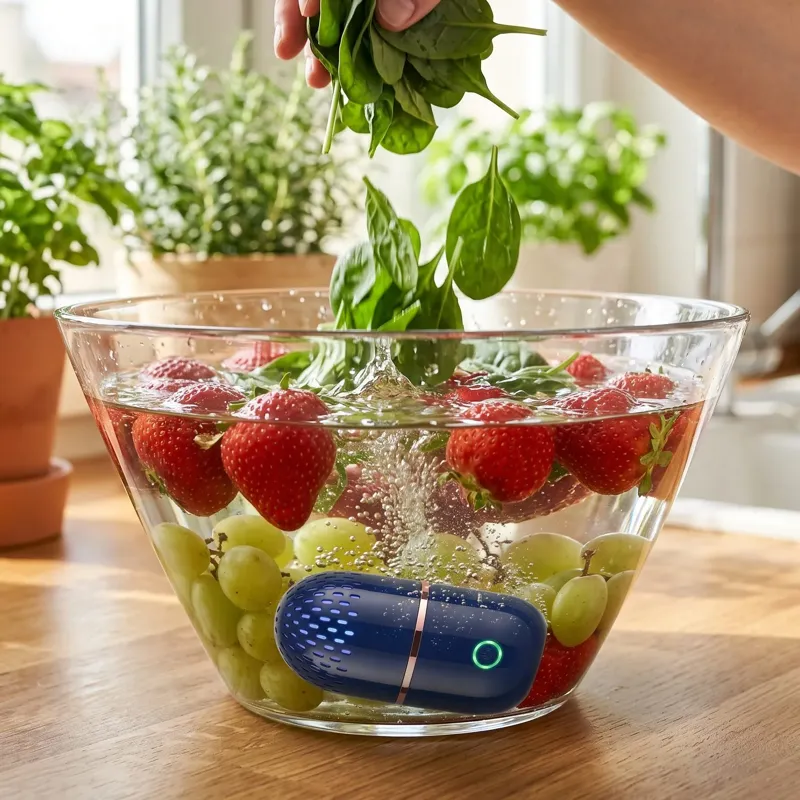
A wireless, IPX7-waterproof purifier that sits in a bowl of water and runs a 10-minute electrolysis cycle for fruit and vegetables. No soap, no refills. $59.95, or $35.98 each in the 3-pack.
Check today's PodBloom price →30-day money-back guarantee · wireless charging base included
Why should you wash blueberries?
- They're eaten whole. There's no peel to remove, so whatever is on the surface ends up in your mouth.
- Lots of handling: picking, sorting, packing, shelving and shoppers checking the boxes.
- Dirt and dust from the field and the packing line.
- Residue: blueberries are among the crops tested in the USDA's Pesticide Data Program. Results are usually within legal limits, but many families still prefer to wash off what they can.
- Germs that can be on the surface of any fresh produce.
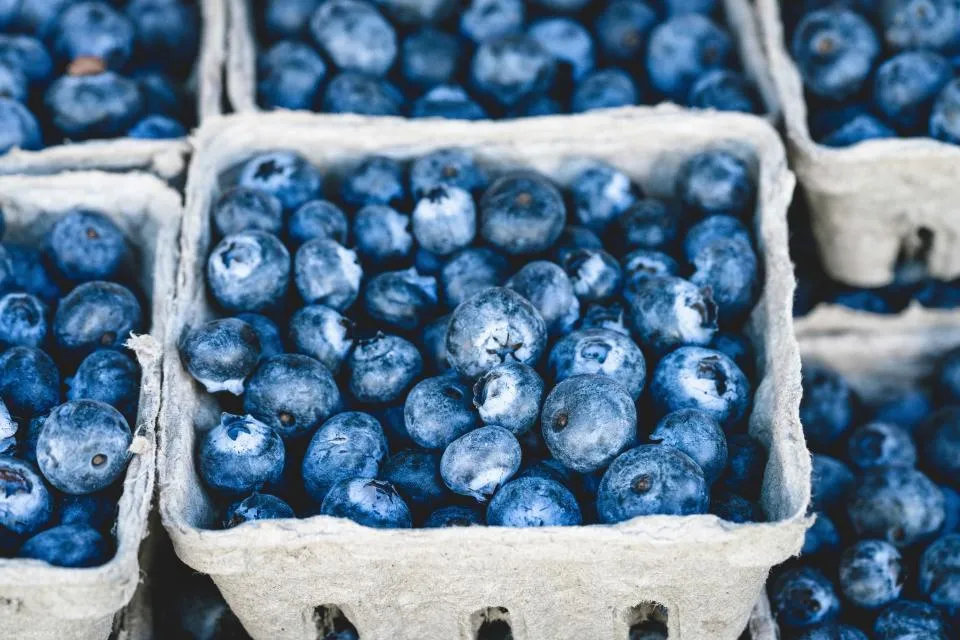
The waxy, dusty white coating on blueberries, called the bloom, is natural. It's produced by the berry itself and helps protect it from moisture loss. You don't need to scrub it off, and it's a sign of fresh, gently handled fruit.
How do you wash blueberries, step by step?
- Wash your hands with soap and water.
- Tip the berries onto a plate or tray and sort them. Remove stems, leaves, shriveled berries and anything soft or moldy. One moldy berry spreads quickly to the rest.
- Put only the amount you'll eat into a colander. Leave the rest unwashed in the fridge.
- Rinse under cool running water for 20 to 30 seconds, gently rolling the berries with your fingers so water reaches every side.
- Drain well by shaking the colander a few times.
- Spread them on a clean towel or paper towel in a single layer and pat dry.
The FDA's advice for all produce is the same: rinse under running water, don't use soap or detergent, and dry with a clean cloth or paper towel. See the FDA's 7 tips for cleaning fruits and vegetables.
Is it better to rinse or soak blueberries?
| Method | Best for | How |
|---|---|---|
| Quick rinse | A handful for snacking | Colander under cool running water, 20 to 30 seconds |
| Short soak | A full pint or more, berries for baking | Bowl of cool water, 2 to 5 minutes, swish, lift out, rinse |
| Hands-free soak | Batches for the whole family, meal prep | PodBloom in a bowl of plain water, 10-minute cycle, then rinse |
When you soak, the trick is to lift the berries out with your hands or a slotted spoon rather than pouring everything into a colander. That way the dirt and stray stems that sink to the bottom stay in the bowl. Don't soak for more than a few minutes in plain water, since blueberries absorb water and can turn soft.
Our pick for washing produce: PodBloom
A wireless, IPX7-waterproof purifier that sits in a bowl of water and runs a 10-minute electrolysis cycle for fruit and vegetables. No soap, no refills. $59.95, or $35.98 each in the 3-pack.
Check today's PodBloom price →30-day money-back guarantee · wireless charging base included
Should you wash blueberries with baking soda or vinegar?
Baking soda: research on apples found that a baking soda soak removed more surface residue than plain water, but it needed a long soak. Blueberries don't handle long soaks well, so most people use plain water or a short soak instead.
Vinegar: many home cooks swear by a quick vinegar rinse (about 1 part vinegar to 3 parts water) to help berries last longer in the fridge. If you try it, rinse well with plain water afterward so the berries don't taste sour, and dry them thoroughly before storing.
Produce washes and soaps: skip dish soap. Berries are porous enough to hold on to it, and it's not meant to be eaten. We look at the evidence in do produce washes work? and compare options in PodBloom vs a vinegar soak.
How do you dry blueberries without crushing them?
- Spread them on a clean kitchen towel in one layer.
- Gently roll them by lifting the edges of the towel, rather than pressing down.
- For a big batch, a salad spinner lined with a paper towel works well. Spin gently in short bursts.
- Let them air-dry for 10 to 15 minutes before putting washed berries in a container.
Dry berries last longer and won't water down your oatmeal, yogurt or batter.
How should you store blueberries so they last?
- Don't wash them before storing unless you plan to eat them within a day.
- Check the box and remove any soft or moldy berries as soon as you get home.
- Keep them in the fridge, not on the counter. They'll typically stay fresh for about a week.
- Use a breathable container: the original vented box works, or a glass container lined with a paper towel and the lid slightly open.
- Keep them away from the coldest spot at the back of the fridge, where they can freeze and turn mushy.
If you want to cut down on plastic, move them into a glass container lined with a cloth. See how to store food without plastic.
Do you need to wash frozen blueberries?
Most frozen blueberries are washed before freezing. If the bag says ready to eat, you can use them straight from the freezer in smoothies, oatmeal and baking. If you'd like an extra rinse, do it in a colander while they're still frozen, then drain well. For baking, toss rinsed frozen berries in a spoon of flour so they don't sink or color the batter too much.
Freezing your own? Wash and dry them completely first, then freeze in a single layer on a tray before moving them to a container. That way they don't clump.
What about farmers market and home-grown blueberries?
Berries from a farmers market or your own garden haven't been through a packing line, so they may have more stems, leaves and the odd insect. Sort them carefully on a tray, then use a short soak in cool water, lifting the berries out so debris stays in the bowl. Follow with a quick rinse and dry. If you pick your own, keep them unwashed in a shallow container in the fridge and wash just before eating.
How do you prepare blueberries for kids?
- Wash and dry them as above, then check for stems and soft berries.
- For toddlers, cut each berry in half or quarters: whole round blueberries are a choking risk for young children.
- For lunchboxes, pack washed and thoroughly dried berries in a small glass or stainless container with a piece of paper towel.
- Pack them separately from wet foods so they stay firm.
More ideas in our guide to a plastic-free lunch box.
What mistakes make blueberries spoil faster?
- Washing the whole box at once and putting them back wet.
- Leaving moldy berries in with the good ones.
- Soaking too long in plain water, which makes them soft.
- Using soap or bleach, which isn't meant for food.
- Storing them airtight while still damp, which traps moisture.
- Pressing hard while drying, which bruises and splits them.
How does washing blueberries compare with other berries?
| Fruit | Main tip | Guide |
|---|---|---|
| Blueberries | Sort first, rinse or short soak, dry in one layer | This guide |
| Strawberries | Wash with the green tops on, then hull | How to wash strawberries |
| Grapes | Wash on the stem, rub gently | How to wash grapes |
| Leafy greens | Separate leaves, soak, spin dry | How to wash leafy greens |
The common thread: wash right before eating, use cool water, skip soap and dry well. Our guide on washing pesticides off produce covers the bigger picture.
Do blueberries carry microplastics?
Researchers have found microplastic particles on and in a range of fruits and vegetables, picked up from soil, water, air and packaging. Washing can remove some particles from the surface, but not anything inside the fruit. The easiest wins are at home: rinse produce, store it in glass instead of plastic tubs and swap scratched plastic cutting boards. Read more in microplastics on fruit and vegetables.
How does PodBloom help with berries?
PodBloom is a small, wireless, waterproof device that sits in a bowl of plain water. You add your berries, press the button and it runs a 10-minute cycle. There's no soap, no tablets and nothing to refill. When it's done, you lift the berries out, give them a quick rinse and dry them. It's handy when you buy berries by the flat, prep fruit for the week or wash a lot of produce for kids. See our full PodBloom review.
What are the best ways to use freshly washed blueberries?
Once your blueberries are clean and dry, they're ready for almost anything:
- Breakfast: stirred into oatmeal, sprinkled over yogurt or folded into pancake batter at the last minute.
- Snacks: a small bowl on the counter for the next day, or a handful packed with nuts for work.
- Baking: muffins, crumbles and quick breads. Toss dry berries in a spoonful of flour first so they stay suspended in the batter.
- Smoothies: fresh or frozen, blended with banana and milk or yogurt.
- Salads: with spinach, goat cheese and walnuts for a sweet and savory mix.
Whatever you make, washing only what you need each time keeps the rest of the box firm and fresh for days.
The bottom line
The best way to wash blueberries:
- wash just before eating, not before storing
- sort out stems and soft or moldy berries first
- rinse in a colander or soak briefly, then lift them out
- skip soap and bleach
- dry gently in a single layer and store unwashed berries in the fridge
PodBloom makes the soak hands-free: a 10-minute cycle in plain water with no refills. It's $59.95 for one, or $35.98 each in the 3-pack, with a 30-day money-back guarantee.
Our pick for washing produce: PodBloom
A wireless, IPX7-waterproof purifier that sits in a bowl of water and runs a 10-minute electrolysis cycle for fruit and vegetables. No soap, no refills. $59.95, or $35.98 each in the 3-pack.
Check today's PodBloom price →30-day money-back guarantee · wireless charging base included
Frequently asked questions
Should you wash blueberries before storing them?
No. Wash them just before eating. Washing before storage adds moisture and makes them soften and mold faster.
Is it better to rinse or soak blueberries?
A quick rinse in a colander is enough for a handful. For a full pint, a short soak of a few minutes works well. Lift the berries out so the dirt stays in the bowl.
Can you wash blueberries with vinegar?
Many home cooks use about 1 part vinegar to 3 parts water to help berries last longer. Rinse well with plain water afterward and dry them completely.
What is the white coating on blueberries?
It's the bloom, a natural waxy layer the berry makes to protect itself. It's harmless and a sign of fresh fruit.
Do you need to wash frozen blueberries?
Most frozen blueberries are washed before freezing. If you prefer, rinse them while still frozen and drain well.
How long do blueberries last in the fridge?
Usually about a week when stored unwashed in a breathable container with any soft berries removed.

Michelle Hert
Michelle is a home cook who cooks for a family every day and spends a lot of her free time reading the research behind the products that end up in our kitchens. She started Less Plastic Kitchen after the 2023 cutting board study made her look twice at the scratched plastic board on her own counter. Her guides are built on published studies, manufacturer specifications and verified buyer feedback, and she updates them when new information comes out. More about Michelle.