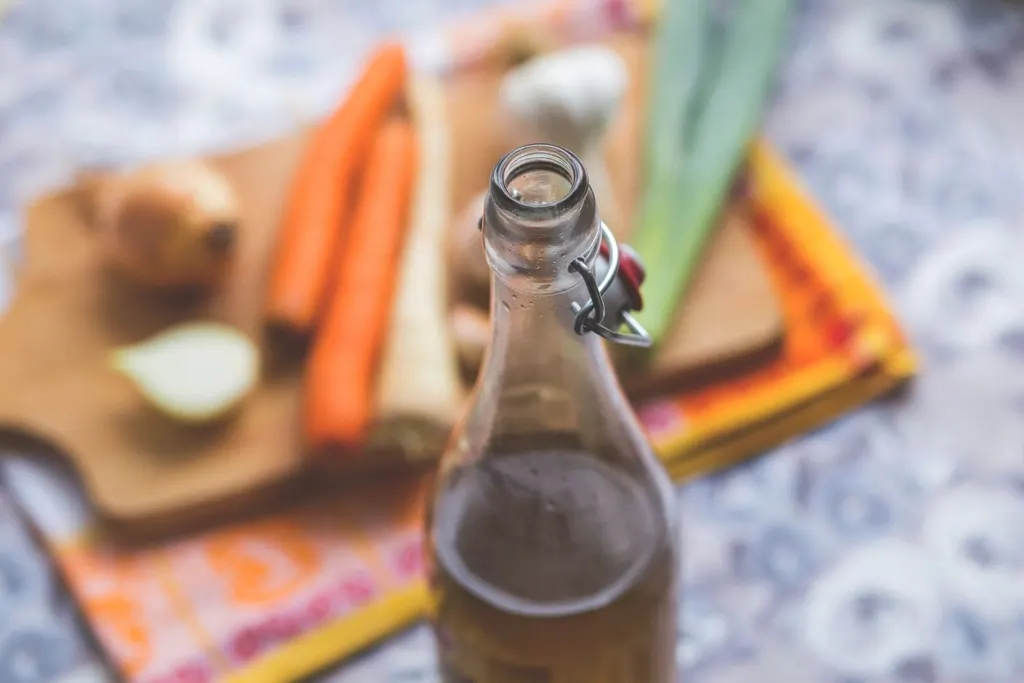
- Where they may come from: the environment, animal feed and water, and plastic equipment, tubing and packaging during milking, processing and storage.
- Health effects: still being studied. The FDA says current evidence doesn't show that microplastics in food pose a risk to health, but research is ongoing.
- What you can do: choose glass bottles when available, avoid heating milk in plastic, and reduce plastic contact in your own kitchen.
Milk seems like one of the simplest foods there is, so headlines about microplastics in milk can be unsettling. Researchers have found tiny plastic particles in many everyday foods and drinks, from bottled water to salt, seafood and tea. Dairy is part of that picture. This guide explains what studies have found, where microplastics in milk may come from, what's known (and not known) about health effects, and practical ways to reduce your overall exposure without giving up dairy.
What are microplastics?
Microplastics are plastic particles smaller than 5 millimeters, and nanoplastics are even smaller. They come from larger plastics breaking down and from products that shed particles during use, like packaging, synthetic fabrics and plastic kitchen tools. The FDA explains that microplastics are widespread in the environment and can be found in foods.
Have microplastics been found in milk?
Yes. Several studies in different countries have reported microplastic particles in raw milk, processed milk, infant formula and other dairy products. Results vary widely depending on the country, the testing method and how carefully samples were protected from contamination in the lab. Because measuring microplastics is technically difficult, scientists are still working on standard methods, so the numbers in individual studies shouldn't be taken as exact.
Where could microplastics in milk come from?
- The environment: particles in air, water, soil and feed can reach animals.
- Milking equipment: plastic tubing, filters and containers.
- Processing: plastic parts in processing lines.
- Packaging: plastic jugs, cartons with plastic linings and caps.
- At home: storing or heating milk in plastic containers.
Are microplastics in milk harmful?
The honest answer is that scientists don't know yet. The FDA states that current scientific evidence does not demonstrate that levels of microplastics or nanoplastics detected in foods pose a risk to human health, and research is ongoing. The World Health Organization has called for more research. Milk remains an important source of nutrients for many people, so there's no need to stop drinking it. Reducing unnecessary plastic contact is a reasonable precaution. See microplastics health effects.
Does the packaging matter?
| Packaging | Plastic contact | Notes |
|---|---|---|
| Glass bottle | Lowest | Often from local dairies; caps may be plastic or metal |
| Paper carton | Some | Usually lined with a thin plastic layer |
| Plastic jug | Most | Most common in US supermarkets |
Packaging is just one source among many, but choosing glass when it's available and convenient is an easy swap.
Should you heat milk in plastic?
Avoid it. Heat can increase how much plastic sheds or leaches. Warm milk in a stainless steel pan or in a glass or ceramic mug in the microwave. The same applies to baby bottles; see microplastics in baby bottles and is it safe to microwave plastic?
What about infant formula?
Studies have looked at microplastics released from plastic baby bottles when preparing formula with hot water. Practical steps include preparing formula in a glass container, letting boiled water cool in a non-plastic container and avoiding shaking hot liquid in plastic bottles. Always follow your pediatrician's guidance and formula instructions for safe preparation.
Are plant-based milks different?
Plant-based milks are also processed and packaged in plastic-lined cartons or plastic bottles, so they face similar packaging questions. There's no clear evidence that plant milks contain fewer microplastics overall. Choose the drink you prefer, and apply the same storage and heating tips.
How can you reduce microplastics at home?
- Store milk and leftovers in glass containers.
- Don't heat food or drinks in plastic.
- Replace scratched plastic containers and cutting boards.
- Filter drinking water if you're concerned; see do water filters remove microplastics?
- Choose stainless steel or glass for water bottles and kettles.
More ideas in how to avoid microplastics in the kitchen.

One easy plastic swap for every meal
Vanotium titanium cutting board: no plastic to shed, non-porous, dishwasher-safe and built to last. From $42.77 per board in multi-packs, with a 30-day guarantee.
Check today's Vanotium price →Ships in 5–7 days with tracking · 30-day guarantee
Why does the cutting board matter?
You may not think of a cutting board as a source of microplastics, but a study in Environmental Science & Technology estimated that chopping on plastic boards can release microplastic particles into food. Switching to a non-plastic board is one of the simplest swaps. Vanotium is a titanium board that sheds no plastic, is non-porous and dishwasher-safe, with a 30-day money-back guarantee. Read our Vanotium review.
How worried should you be?
Microplastics are found in many foods, and no single food is the main source for most people. Rather than cutting out healthy foods like milk, focus on the plastic contact you control: heating, storage, cutting boards and water bottles. Small changes across the kitchen add up.
Why is it hard to measure microplastics in milk?
Milk is full of fats and proteins that have to be broken down before particles can be counted, and labs must avoid contaminating samples with plastic from their own equipment, clothing and air. Different studies use different methods and size cutoffs, which is why reported numbers vary so much. Scientists are working toward standard methods, so expect better data in the coming years.
Is raw milk lower in microplastics?
There isn't good evidence that raw milk is lower in microplastics, and raw milk carries well-known risks of harmful bacteria. Health agencies recommend pasteurized milk. If you want to reduce plastic contact, focus on packaging, storage and heating instead.
What about cheese, yogurt and butter?
Studies have looked at various dairy products, and the same general picture applies: particles may come from processing and packaging. Many cheeses and yogurts are sold in plastic. Buying cheese cut fresh and wrapped in paper, choosing yogurt in glass jars and storing dairy in glass or stainless containers at home all reduce plastic contact.
How should you store milk at home?
- Pour milk from a plastic jug into a glass bottle or pitcher for the fridge if you like.
- Keep milk cold and use it before the date.
- Avoid leaving milk in plastic containers in warm places, like a hot car.
- Wash reusable glass bottles well between uses.
Should parents of young kids worry?
Milk is an important food for many children. Rather than limiting milk, parents can reduce plastic contact in simple ways: serve milk in glass or stainless cups, avoid microwaving milk in plastic and choose stainless or glass bottles for older babies and toddlers. Talk to your pediatrician about nutrition questions.
Which other foods contain microplastics?
Researchers have found microplastics in bottled water, tap water, salt, seafood, rice, tea bags and more. Milk is one of many. See microplastics in food, microplastics in water bottles and microplastics in tea bags.
Which kitchen swaps matter most?
| Swap | Why |
|---|---|
| Glass or stainless for heating | Heat increases release from plastic |
| Non-plastic cutting board | Chopping on plastic can shed particles into food |
| Glass storage containers | Less plastic contact over time |
| Stainless water bottle | Reusable, no plastic contact |
| Loose-leaf tea or paper bags | Some tea bags contain plastic |
Is local dairy in glass worth it?
Many local dairies sell milk in returnable glass bottles. Beyond reducing plastic contact, glass bottles are reusable and many people find the milk tastes fresher. It usually costs a little more, but the deposit system keeps waste low. If it's not available near you, cartons and jugs are fine; focus on how you store and heat milk at home.
What research is coming next?
Scientists are working on better ways to detect very small particles, understand where they come from in the food supply and learn whether they affect health. Agencies like the FDA and WHO continue to review new studies. Following reputable sources is the best way to stay informed without panicking over individual headlines.
Does frothing or heating milk in a machine add plastic?
Some milk frothers and coffee machines have plastic parts that contact hot milk. Stainless steel frothing pitchers and manual stovetop frothers avoid most plastic contact. See non-toxic coffee makers.
What about reusable milk bottles for kids?
Stainless steel insulated bottles keep milk cold for school lunches without plastic contact, and glass cups work well at home. Wash them thoroughly every day, since milk residue spoils quickly. See plastic-free lunch box.
What's the simplest takeaway?
Enjoy milk, warm it in glass or steel, store it cold and swap the plastic items you use every day.
The bottom line
Microplastics have been detected in milk, as in many foods, likely from the environment, equipment and packaging. Health effects are still being studied, and the FDA says current evidence doesn't show a risk. Keep drinking milk if you enjoy it, choose glass when convenient, avoid heating in plastic and reduce plastic contact in your kitchen.
For an easy plastic-free swap, our pick is Vanotium. Check today's Vanotium price and multi-pack deals.
Sources
- U.S. Food and Drug Administration. Microplastics and Nanoplastics in Foods.
- World Health Organization. WHO calls for more research into microplastics.
- Yadav et al., 2023. Microplastics from cutting boards, Environmental Science & Technology.
Frequently asked questions
Is there microplastic in milk?
Studies have detected microplastics in milk and dairy, as in many foods and drinks.
Where do microplastics in milk come from?
Likely the environment, milking and processing equipment and packaging.
Are microplastics in milk harmful?
Health effects are still being studied; the FDA says current evidence doesn't show a risk.
Is milk in glass bottles better?
Glass has the least plastic contact, but packaging is only one possible source.
Should I stop drinking milk?
No. Focus on reducing plastic contact in storage, heating and food prep.
How can I reduce microplastics at home?
Heat food in glass or steel, store in glass and use a non-plastic cutting board.

Michelle Hert
Michelle is a home cook who cooks for a family every day and spends a lot of her free time reading the research behind the products that end up in our kitchens. She started Less Plastic Kitchen after the 2023 cutting board study made her look twice at the scratched plastic board on her own counter. Her guides are built on published studies, manufacturer specifications and verified buyer feedback, and she updates them when new information comes out. More about Michelle.