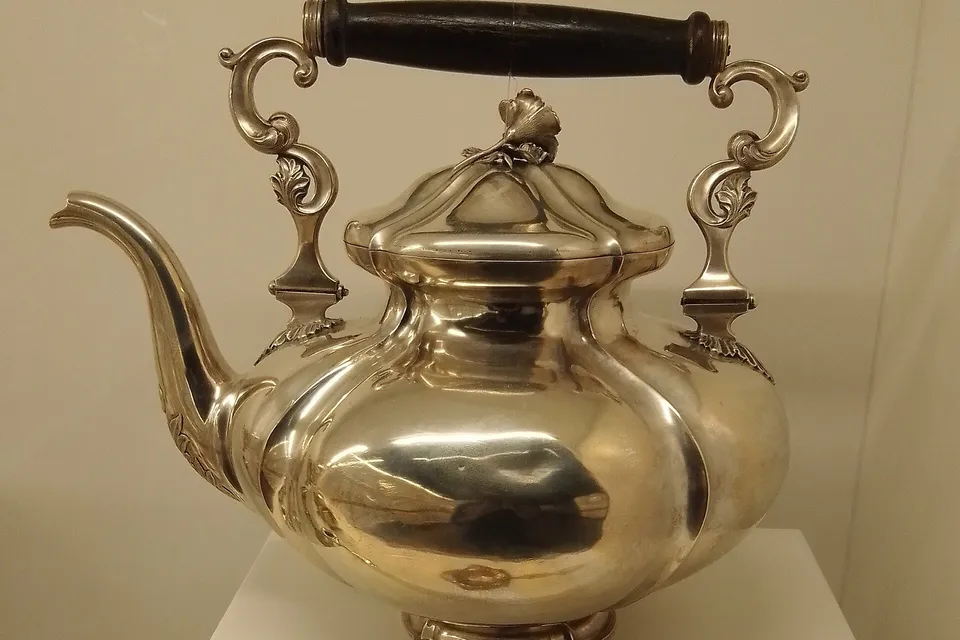
- Choose a stainless steel or glass kettle with as little plastic touching the water as possible.
- Look for a stainless lid and interior; avoid plastic water windows.
- If you keep a plastic kettle, boil and discard a few rounds of water, and don't store water in it.
An electric kettle is one of the most used appliances in many homes. It boils water for tea, coffee, instant oatmeal, baby formula and cooking, often several times a day. Many popular kettles are made largely of plastic, or have plastic lids, water windows and filters that sit in boiling water. Since heat is known to speed up the release of particles from plastics, it's reasonable to ask whether your kettle adds microplastics to your drinks.
This guide explains what the research suggests, which kettle materials are best, what to look for when shopping, how to use a plastic kettle more safely if you already own one, and how to keep any kettle clean.
What does research say about plastic and hot water?
A widely cited study in Nature Food (2020) found that polypropylene baby bottles released millions of microplastic particles per liter when exposed to hot water during typical formula preparation, and that release increased with temperature. Polypropylene is a common plastic in kitchen appliances, including many kettles. While kettles weren't the main focus, the researchers' findings about hot water and polypropylene are why many families now choose stainless or glass kettles. See microplastics in baby bottles.
The World Health Organization has called for more research on microplastics in drinking water. Health effects are still being studied, so reducing avoidable exposure is a sensible step.
Which kettle materials are best?
| Kettle type | Plastic contact with water | Notes |
|---|---|---|
| Stainless steel stovetop | None | The lowest-plastic option; works on gas and induction |
| Stainless steel electric (stainless interior and lid) | Minimal | Check the lid, filter and water window |
| Glass electric | Low to moderate | Glass body; lids and seals may be plastic or silicone |
| Stainless with plastic lid or window | Some | Plastic parts touch steam or water |
| Plastic electric | High | Body touches boiling water |
What should you look for when buying a kettle?
- Stainless steel interior, ideally food-grade 304 (18/8) stainless.
- Stainless lid underside, since steam condenses there and drips back in.
- No plastic water window; some kettles use an external gauge instead.
- Stainless mesh filter at the spout instead of a plastic one.
- Concealed heating element under a stainless base, easier to clean.
- Temperature settings if you brew green tea or make formula.
Marketing terms like "BPA-free" tell you about one chemical, not about plastic contact; see is BPA-free plastic safe?
Is a stovetop kettle better?
A stainless steel stovetop kettle is the simplest plastic-free option. The only plastic is usually on the outside of the handle or the whistle cap, not in contact with water. Stovetop kettles take a little longer to boil than electric ones but work on gas, electric and induction cooktops. They're also very durable.
Are glass kettles plastic-free?
Glass kettles have a glass body, which is non-reactive and lets you see when water is boiling. Most still have a plastic or silicone seal, lid or base ring. Some have a stainless lid and filter, which reduces plastic contact. Look closely at product photos of the inside before buying.

Another easy plastic swap
Vanotium titanium cutting board: no plastic to shed into food, non-porous and dishwasher-safe. From $42.77 per board in multi-packs, with a 30-day guarantee.
Check today's Vanotium price →Ships in 5–7 days with tracking · 30-day guarantee
What if you already own a plastic kettle?
- Boil and discard several rounds of water when it's new.
- Don't leave water sitting in the kettle; empty it after use.
- Boil only the amount you need.
- Descale regularly so scale doesn't scratch the surface.
- Replace it when you see cracks, cloudiness or warping.
Many people keep their plastic kettle for occasional use and switch to stainless for daily tea and coffee.
Which kettle is best for baby formula?
If you prepare formula with boiled water, a stainless steel or glass kettle is the safer choice, given what research found about polypropylene and hot water. Follow your pediatrician's and the formula maker's instructions on water temperature, and mix formula in glass bottles when possible. Some electric kettles have a "formula" setting that holds water at a set temperature.
Does the kettle matter if you use tea bags?
Yes, and so do the bags. Some tea bags are made with plastic mesh or sealed with plastic, which can release particles in hot water. Pairing a stainless kettle with loose-leaf tea in a stainless infuser cuts plastic contact at both steps. See microplastics in tea bags and microplastics in coffee.
Should you filter water before boiling?
Filtering tap water with a certified filter can reduce particles and improve taste, and it also reduces scale in your kettle. Some research suggests that boiling hard water and then filtering it traps some microplastic particles in mineral scale, as reported after a 2024 study. See do water filters remove microplastics?
How do you descale a kettle without chemicals?
- Fill the kettle halfway with equal parts water and white vinegar, or water with 1 to 2 tablespoons of citric acid.
- Bring it to a boil, then turn it off and let it sit for 20 to 30 minutes.
- Pour it out and wipe the inside with a soft cloth.
- Rinse and boil fresh water once or twice to remove any taste.
Descale monthly in hard-water areas. Scale can flake into your cup and makes the kettle less efficient.
Does a stainless kettle change the taste of water?
Good quality stainless steel shouldn't affect taste. A new stainless kettle may have a slight metallic or manufacturing smell; wash it, then boil and discard water a few times. If water tastes odd later, it's usually scale, so descale.
What other kitchen sources should you tackle?
| Source | Swap |
|---|---|
| Plastic water bottles | Stainless or glass bottles |
| Plastic tea bags | Loose-leaf tea |
| Plastic coffee pods | French press or pour-over |
| Plastic cutting boards | Titanium or wood |
| Heating food in plastic | Glass or ceramic |
A 2023 study estimated that chopping on plastic cutting boards may release thousands of particles per year into food (Yadav et al., 2023). Our guide on avoiding microplastics in the kitchen covers every swap.
Can you test your kettle water?
Not accurately at home. Measuring microplastics requires lab equipment such as spectroscopy. If you want numbers, a certified lab can test samples, but swapping to a stainless kettle is simpler and cheaper. See how to test for microplastics at home.
Is a stainless kettle expensive?
Not necessarily. Stainless stovetop kettles are affordable and last for many years. Fully stainless electric kettles cost a bit more than plastic ones but are durable and easy to clean. Since a kettle is used daily, the cost per use is very low.
Which kettle is best for pour-over coffee?
Pour-over coffee lovers often use a gooseneck kettle, which gives a slow, controlled pour. Stainless steel gooseneck kettles, both stovetop and electric, are widely available, and many electric models offer precise temperature control. Look for one with a stainless interior and lid to keep plastic away from the water. Pair it with a stainless or glass dripper and paper or stainless filters.
What about travel kettles?
Compact travel kettles are often made of plastic or silicone, especially collapsible models. If you travel often, a small stainless travel kettle or an immersion heater with a stainless coil in a stainless mug are lower-plastic options. In hotels, boil water in the provided kettle once and discard it before using it for tea.
What about office and break-room kettles?
Shared kettles at work are often plastic and rarely descaled. If you drink a lot of tea at the office, consider bringing a small stainless kettle or an insulated stainless bottle filled with hot water from home. Suggest a stainless kettle next time the office replaces its appliance; it lasts longer and is easier to clean.
Are hot water dispensers better?
Hot water dispensers and instant-boil taps keep water hot in a tank. Many have plastic components, and water sits hot for long periods. If you use one, check whether the tank and water path are stainless steel, replace filters on schedule and run off some water before use if it has been sitting.
The bottom line
Plastic electric kettles may release microplastics into boiling water, especially when new, based on research showing that hot water releases particles from polypropylene. The simplest fix is a stainless steel stovetop kettle or an electric kettle with a stainless interior, lid and filter. If you keep a plastic kettle, boil and discard water when it's new, don't store water in it and descale regularly. Combine this swap with loose-leaf tea, reusable bottles and a plastic-free cutting board.
For a plastic-free board, our pick is Vanotium. Check today's Vanotium price and multi-pack deals.
Sources
- Li D. et al. Microplastic release from the degradation of polypropylene feeding bottles during infant formula preparation. Nature Food, 2020.
- World Health Organization. Microplastics in drinking-water, 2019.
- Yadav H. et al. Cutting Boards: An Overlooked Source of Microplastics in Human Food? Environmental Science & Technology, 2023.
- ScienceAlert. There's a surprisingly simple way to remove microplastics in drinking water.
Frequently asked questions
Do plastic kettles release microplastics?
They may, especially when new. Research shows hot water releases particles from polypropylene.
What is the safest kettle?
A stainless steel stovetop kettle, or an electric kettle with a stainless interior, lid and filter.
Are glass kettles plastic-free?
The body is glass, but lids and seals are often plastic or silicone.
Which kettle is best for baby formula?
Stainless steel or glass, following your pediatrician's instructions.
How do I descale a kettle naturally?
Boil water with vinegar or citric acid, let it sit, then rinse and boil fresh water.
Should I throw out my plastic kettle?
Not necessarily. Don't store water in it, descale often and switch when you can.

Michelle Hert
Michelle is a home cook who cooks for a family every day and spends a lot of her free time reading the research behind the products that end up in our kitchens. She started Less Plastic Kitchen after the 2023 cutting board study made her look twice at the scratched plastic board on her own counter. Her guides are built on published studies, manufacturer specifications and verified buyer feedback, and she updates them when new information comes out. More about Michelle.