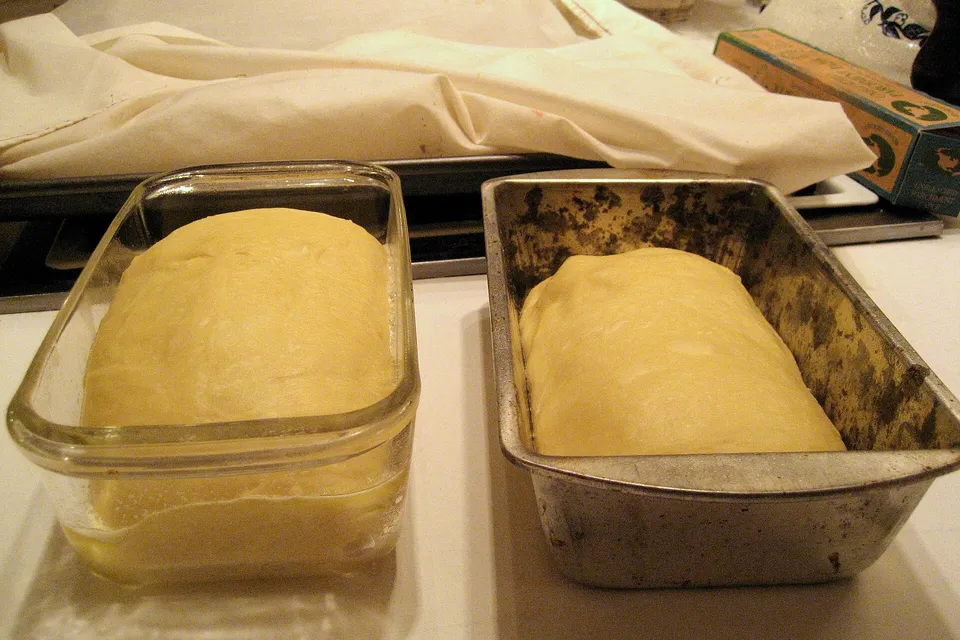
- Most nonstick bakeware is coated with PTFE, a type of PFAS, or a ceramic sol-gel coating.
- Stay within the temperature limit on the label, and don't use nonstick pans under the broiler.
- Replace pans once the coating is scratched, peeling or flaking.
- Use parchment paper or silicone liners to protect the coating and reduce sticking.
Nonstick baking sheets, muffin tins and cake pans make baking easier: cookies slide off, cakes release cleanly and cleanup takes seconds. But as more people learn about PFAS, the "forever chemicals" family that includes the PTFE used in many nonstick coatings, they're asking whether nonstick bakeware is safe in a hot oven, especially for food they make every week.
This guide explains what nonstick bakeware is coated with, how heat affects it, when to replace it, how to use it more safely, and the best coating-free alternatives for cookies, cakes, roasting and bread.
What is nonstick bakeware coated with?
Most nonstick bakeware uses one of two coatings. PTFE, the material behind many familiar nonstick brands, is a fluoropolymer and part of the PFAS family. Ceramic sol-gel coatings are silica-based and marketed as PFAS-free. Both sit on top of a metal pan, usually aluminum or steel. Older PTFE products were made using PFOA, a PFAS that has since been phased out of production in the United States.
Why do people worry about PFAS?
The EPA explains that PFAS are a large group of chemicals that break down very slowly and can build up in people and the environment, and that exposure to some PFAS has been linked to health effects. PTFE itself is considered stable at normal cooking temperatures, but its production and disposal contribute to PFAS in the environment, and overheated or damaged coatings are a concern. Many people choose to reduce PFAS-coated cookware where easy alternatives exist. See is nonstick cookware safe?
Is heat a problem for nonstick bakeware?
Most nonstick bakeware lists a maximum oven temperature on the label. Within that limit, normal baking is considered fine. Problems arise with very high heat: broiling, empty pans preheated at maximum temperature or pizza ovens. Overheated PTFE can break down and release fumes. Follow the manufacturer's limit and keep nonstick pans away from the broiler.
When should you replace nonstick bakeware?
- The coating is scratched through to the metal.
- It's peeling, flaking or bubbling.
- Food sticks even with grease.
- The pan is warped and rocks in the oven.
- Dark stains won't wash off and the surface feels rough.
Damaged coatings can flake into food and don't perform well anyway.
How do you use nonstick bakeware more safely?
- Bake below the temperature listed on the label.
- Don't broil in nonstick pans.
- Line pans with parchment paper or a silicone mat.
- Use silicone or wooden tools, never metal spatulas or knives in the pan.
- Hand wash with a soft sponge; avoid abrasive pads.
- Avoid aerosol cooking sprays, which build up a sticky film.
- Don't stack pans without protection between them.
See parchment paper vs wax paper.
What are the best coating-free alternatives?
| Bakeware | Best for | Tips |
|---|---|---|
| Aluminized or stainless steel sheet pans | Cookies, roasting vegetables | Line with parchment for easy release |
| Glass baking dishes | Casseroles, lasagna, brownies | Avoid sudden temperature changes |
| Ceramic and stoneware | Gratins, pies, baked oatmeal | Check the glaze is food-safe |
| Cast iron | Cornbread, skillet cookies, pizza | Keep seasoned |
| Enameled cast iron | Bread, braises | Avoid overheating empty |
| Silicone baking mats | Cookies, macarons | Use within the heat limit |
See non-toxic baking sheets, cast iron vs nonstick and is silicone safe?
Is ceramic-coated bakeware better?
Ceramic-coated bakeware avoids PTFE and is marketed as PFAS-free, which is why many people prefer it. Its nonstick performance often fades faster than PTFE, and the coating can chip if mishandled. Treat it gently, use parchment, and expect to replace it sooner. See is ceramic cookware safe?
Why is parchment paper such a good trick?
Parchment gives you nonstick results on any pan, including bare steel, aluminum or glass. Cookies slide off, cakes release, roasted vegetables don't stick and cleanup is faster. It also protects nonstick coatings from scratches. Unbleached parchment is a popular choice, and silicone mats are a reusable alternative.
What about the rest of your baking prep?
If you're replacing coated pans, it's worth looking at prep tools too. A 2023 study in Environmental Science & Technology estimated that chopping on plastic cutting boards can release tens of grams of microplastics per person per year. Swapping the board is one of the easiest changes.
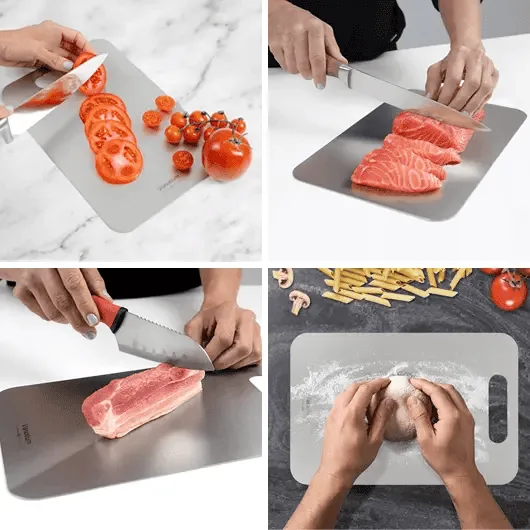
Vanotium is a titanium cutting board with a non-porous surface that sheds no plastic, doesn't hold juices or odors and goes in the dishwasher. It's heat-resistant enough to rest a hot baking dish on for a moment. In October 2026 it cost $66.66 for one board or $42.77 each in a four-pack, with a 30-day guarantee. Read our Vanotium review (4.6/5).

Coating-free baking, plastic-free prep
Vanotium titanium cutting board: no plastic, non-porous, dishwasher-safe and heat-resistant. From $42.77 per board in multi-packs, with a 30-day guarantee.
Check today's Vanotium price →Ships in 5–7 days with tracking · 30-day guarantee
Is nonstick bakeware safe for baking with kids?
Used within its temperature limit and in good condition, yes. Teach kids to use silicone spatulas, not metal, and let adults handle hot pans. Parchment-lined steel sheets are just as easy for kid-friendly cookies and avoid scratching coatings.
How do you clean bakeware without damaging it?
Let pans cool, soak in warm, soapy water, then wipe with a soft sponge. For stubborn spots on uncoated steel, a paste of baking soda and water works well. Avoid steel wool on any coated surface. Dry pans fully before storing to prevent rust on bare steel.
What about air fryer baskets?
Many air fryer baskets are also nonstick-coated. The same rules apply: follow the temperature limits, avoid metal tools, and replace baskets with peeling coatings. See is an air fryer safe?
How do you switch without wasting money?
- Keep using nonstick pans that are in good condition, with parchment.
- Replace damaged pans first with steel, glass or ceramic.
- Buy one rimmed steel sheet pan; it covers most baking and roasting.
- Add a glass or ceramic dish for casseroles.
- Recycle old metal pans where your local program allows.
See plastic-free kitchen swaps.
Which bakeware myths can you ignore?
- "All nonstick is toxic." Used within limits and in good condition, it's considered safe; the concerns are overheating, damage and PFAS in the environment.
- "Bare steel pans always stick." Parchment or a light grease solves it.
- "Ceramic coatings last forever." They often wear faster than PTFE.
- "Dark pans are coated." Many dark pans are bare steel; check the label.
How do you read bakeware labels?
Look for the coating type (PTFE, ceramic or uncoated), the maximum oven temperature and whether it's dishwasher-safe. "PFOA-free" doesn't mean PTFE-free; most PTFE products today are PFOA-free. If you want to avoid PTFE, look for "uncoated," stainless steel, glass, cast iron or a clearly described ceramic coating.
What about muffin tins and cake pans?
Muffin tins and bundt pans are where nonstick feels most useful, because their shapes are hard to grease and clean. Uncoated alternatives work well with a little technique: paper or silicone muffin liners, a generous brush of butter and a dusting of flour, or parchment rounds in the bottom of cake pans. Let cakes cool for ten minutes before turning them out, and run a thin silicone spatula around the edge. Silicone muffin pans are another coating-free option, as long as you stay within their temperature limit.
Does pan color affect baking?
Dark pans, coated or not, absorb more heat and brown the bottoms of cookies and cakes faster. Light aluminum or aluminized steel pans bake more evenly for most cookies and cakes. If you switch from dark nonstick to light uncoated pans, you may need a few extra minutes of baking time; if you switch the other way, lower the temperature slightly or check sooner.
Is bare aluminum bakeware safe?
Bare aluminum sheet pans are common in professional kitchens and work well for most baking. Acidic or very salty foods can react with uncoated aluminum, so line pans with parchment when roasting tomatoes or citrus-marinated foods. Anodized aluminum and aluminized steel are more resistant. See is aluminum foil safe?
How should you store bakeware?
Store pans dry, and place a paper towel or pan protector between stacked nonstick pans so they don't scratch each other. Bare steel pans should be dried thoroughly to prevent rust spots. Glass and ceramic dishes stack well with a cloth between them.
What's best for pizza and bread?
For very high oven temperatures, use a pizza steel, baking stone, cast iron or bare steel pan instead of nonstick, which has lower heat limits.
More guides: PFAS-free cookware.
The bottom line
Nonstick bakeware is considered safe when used within its temperature limit and replaced once the coating is damaged. If you'd rather avoid PTFE, switch gradually to steel sheet pans with parchment, glass and ceramic dishes and cast iron. Parchment paper gives you nonstick results on any pan, and plastic-free prep tools complete the upgrade.
For a plastic-free board, our pick is Vanotium. Check today's Vanotium price and multi-pack deals.
Sources
- U.S. Environmental Protection Agency. PFAS Explained.
- Yadav H. et al. Cutting Boards: An Overlooked Source of Microplastics in Human Food? Environmental Science & Technology, 2023.
Frequently asked questions
Is nonstick bakeware safe?
When intact and used at normal oven temperatures, it's considered safe. Replace it when scratched or flaking.
Does nonstick bakeware contain PFAS?
Most uses PTFE, which is a PFAS.
When should I replace nonstick pans?
When the coating is scratched, peeling or bubbling.
What's a good alternative?
Uncoated aluminum or stainless sheets with parchment, glass and stoneware dishes.
Is ceramic bakeware better?
Ceramic-coated bakeware is PTFE-free; solid ceramic and glass have no coating at all.
Can I use metal utensils on nonstick?
No. Use silicone or wood to protect the coating.

Michelle Hert
Michelle is a home cook who cooks for a family every day and spends a lot of her free time reading the research behind the products that end up in our kitchens. She started Less Plastic Kitchen after the 2023 cutting board study made her look twice at the scratched plastic board on her own counter. Her guides are built on published studies, manufacturer specifications and verified buyer feedback, and she updates them when new information comes out. More about Michelle.