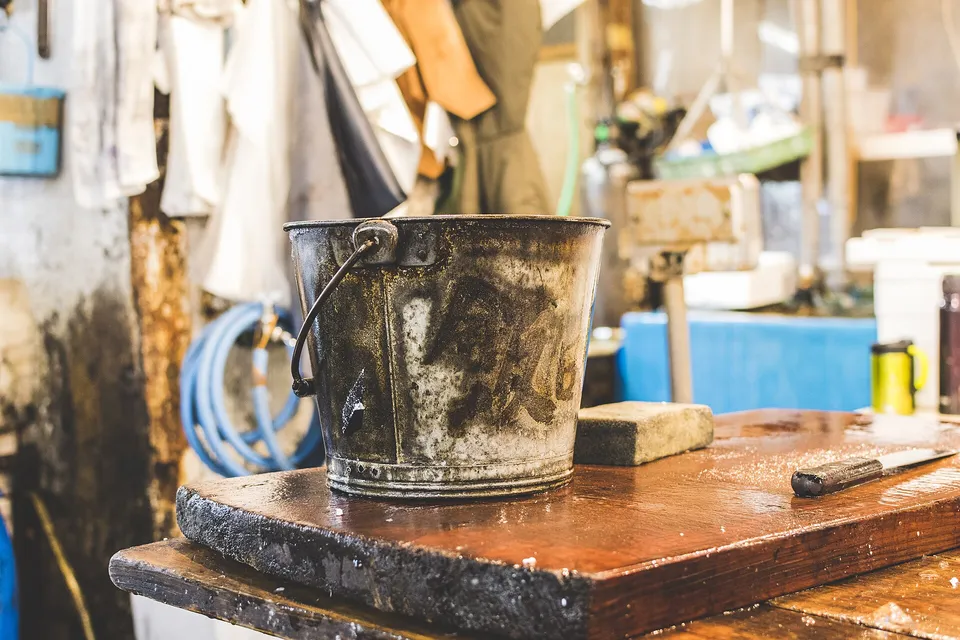
- Light surface spots on wood: scrub with hot soapy water, then coarse salt and lemon or a vinegar wipe, rinse, dry completely in the air and re-oil. Watch whether it returns.
- Mold on plastic: wash, sanitize with a diluted bleach solution (used alone), rinse and dry; replace it if spots stay in the grooves.
- Deep, fuzzy or recurring mold, or a board with cracks: throw it away.
Finding black, green or fuzzy spots on a cutting board is unpleasant, and it raises an obvious question: can you save it, or should you throw it out? The answer depends on the material, how deep the mold goes and how worn the board is. This guide explains why boards get moldy, how to clean light mold from wood and plastic, when to replace a board and how to keep mold from coming back.
Why do cutting boards get moldy?
- Moisture: boards stored wet or stacked flat don't dry.
- Porous material: wood and bamboo absorb water deep into the fibers.
- Grooves and cracks: scratches hold moisture and food residue.
- Dishwasher or soaking: wood that's soaked or dishwashed swells and cracks.
- Humid kitchens: poor airflow slows drying.
The EPA notes that the key to mold control is moisture control.
What does it look like?
| What you see | Likely cause | What to do |
|---|---|---|
| Small dark spots on the surface | Surface mold | Clean, dry, monitor |
| Fuzzy growth | Active mold | Usually replace (especially wood) |
| Black lines in knife grooves | Mold or residue deep in grooves | Replace |
| Dark area around a crack | Moisture trapped in the crack | Replace |
| Musty smell, no visible spots | Damp board | Clean, dry fully, oil (wood) |
How do you clean light mold on a wood board?
- Scrub with hot soapy water and a stiff brush.
- Sprinkle coarse salt and scrub with half a lemon, or wipe with undiluted white vinegar and let it sit a few minutes.
- Rinse and pat dry.
- Let it air-dry fully, standing upright, ideally for a day.
- Rub with food-safe mineral oil once completely dry.
If spots return or go deep into the wood, replace the board. Lightly sanding the surface can remove shallow stains on thick boards, but don't keep a board with deep or recurring mold.
How do you clean mold on a plastic board?
- Wash with hot soapy water.
- Sanitize with a solution of 1 tablespoon of unscented liquid chlorine bleach per gallon of water, as the USDA recommends for cutting boards.
- Let it sit for several minutes, then rinse.
- Air-dry or pat dry.
Never mix bleach with vinegar, ammonia or other cleaners. If mold remains in grooves after cleaning, replace the board.
When should you throw out a moldy board?
- Mold is fuzzy, deep or keeps coming back.
- The board has cracks, splits or deep knife grooves.
- A wood board is warped and doesn't dry properly.
- A plastic board is heavily scarred.
Boards are inexpensive compared with the risk. See when to replace a cutting board.
Is it safe to use a board that had mold?
If light surface mold was fully cleaned and the board has no deep grooves or cracks, many people continue using it carefully. If you're unsure, or if the board is cracked or deeply scarred, replace it. Food safety is worth more than a cutting board.
Why don't non-porous boards get moldy as easily?
Titanium and glass boards don't absorb water, and they can be washed in the dishwasher and dried quickly. With nothing soaking in, there's no hidden moisture for mold to grow on. That makes them low-maintenance for busy kitchens. See are titanium cutting boards safe?

A board with nothing for mold to grow into
Vanotium titanium cutting board: non-porous, dishwasher-safe and microplastic-free. From $42.77 per board in a 4-pack, with a 30-day money-back guarantee.
Check today's Vanotium price →Ships in 5–7 days with tracking · 30-day guarantee
Why consider Vanotium?
Vanotium is a titanium cutting board with a non-porous surface that doesn't absorb water, juices or smells. It goes in the dishwasher and dries quickly, so you don't have to worry about oiling, soaking or warping. It also sheds no microplastics and comes with a 30-day money-back guarantee. Read our Vanotium review.
How do you prevent mold?
- Wash and dry boards right after use.
- Store them upright in a rack, not flat or stacked.
- Never soak wood boards or put them in the dishwasher.
- Oil wood boards monthly so they absorb less water.
- Keep the kitchen ventilated.
- Replace boards once grooves get deep.
Are bamboo boards prone to mold?
Bamboo is harder than many woods but still absorbs moisture, and some bamboo boards use glues that break down with soaking. Treat bamboo like wood: hand wash, dry upright and oil. See bamboo cutting board pros and cons.
How should you sanitize boards regularly?
After cutting raw meat, poultry or fish, wash and sanitize boards. Dishwasher-safe boards can go through a hot cycle. Wood boards can be sanitized with a vinegar wipe or the diluted bleach solution, then rinsed and dried. See how to sanitize a cutting board.
Why does the dishwasher cause mold on wood?
Hot water and long soaking cycles force moisture deep into wood, which then swells, cracks and can't dry properly. Those cracks become perfect places for mold. Always hand wash wood and bamboo boards, rinse and dry them right away.
Why is mold often on the underside?
When a board sits flat on a wet counter or in a drying rack, the bottom stays damp. Dry both sides and store boards upright. Feet or a raised design help air reach the underside.
Does a musty smell mean mold?
Not always, but it's a warning sign of trapped moisture. Wash the board, dry it fully in open air and check again. If the smell returns quickly, look closely at grooves and cracks. See cutting board smells.
Does oiling prevent mold?
Regular oiling with food-safe mineral oil helps wood repel water, so it absorbs less moisture and dries faster. It doesn't replace drying, but it makes a big difference. Oil a wood board once a month or whenever it looks dry.
Can you use hydrogen peroxide?
Some people wipe wood boards with 3% hydrogen peroxide after cleaning, let it sit a few minutes and rinse. Use it alone, never mixed with vinegar or other cleaners. Rinse well and dry thoroughly.
Could mold be a wider kitchen issue?
If boards, sponges and dish racks all get moldy quickly, the kitchen may be too humid. Run the range hood, fix leaks, and replace sponges often. Mold on boards is often a sign of a damp storage spot.
What mistakes lead to moldy boards?
- Storing boards flat while damp.
- Soaking or dishwashing wood.
- Skipping regular oiling on wood.
- Keeping boards with cracks or deep grooves.
- Putting boards away in a closed cabinet right after washing.
Could your sponge be the problem?
A damp, dirty sponge can spread mold spores and bacteria to everything it touches, including boards. Replace sponges often, rinse them well and let them dry between uses. Many people switch to brushes or washable dishcloths that dry faster. See kitchen sponges and microplastics.
Can you sand mold out of a thick wood board?
For a thick butcher block with shallow surface stains, sanding with medium and then fine sandpaper can remove the top layer. Wash, dry completely and re-oil afterward. If dark spots go deeper than the surface, or come back, sanding won't fix it; replace the board.
What should you look for in a new board?
- A non-porous surface, or dense hardwood if you prefer wood.
- Dishwasher-safe if you want easy sanitizing.
- A size that fits your sink and drying rack.
- A clear return policy.
See best non-toxic cutting board and safest cutting board material.
What's a simple anti-mold routine?
- Wash the board within minutes of using it.
- Rinse and wipe off excess water.
- Stand it upright to dry with air on both sides.
- Oil wood monthly.
- Check grooves and cracks every few weeks.
What about decorative and charcuterie boards?
Thick wooden serving boards used for cheese and charcuterie often sit wet after parties. Wipe them down, wash quickly, dry upright and oil them regularly. Store them in a dry place, not tightly wrapped. See best cheese board material.
Should you worry if you used a moldy board?
Most people who briefly used a board with a few surface spots won't notice any effects, but people with mold allergies or weakened immune systems should be more cautious. If you feel unwell, talk to a healthcare provider. Going forward, clean or replace the board.
Should you oil a new wood board before first use?
Yes. Many wood boards benefit from a few coats of food-safe mineral oil before first use, applied a day apart, so they start out more water-resistant.
The bottom line
Light surface mold on a cutting board can often be cleaned with hot soapy water, salt and lemon or vinegar on wood, or a diluted bleach solution on plastic, followed by thorough drying. Deep, fuzzy or recurring mold, cracks and deep grooves mean it's time to replace the board. Dry boards upright to prevent mold, or choose a non-porous board.
For a board that doesn't soak up moisture, our pick is Vanotium. Check today's Vanotium price and multi-pack deals.
Sources
- USDA FSIS. Cutting Boards and Food Safety.
- U.S. Environmental Protection Agency. A Brief Guide to Mold, Moisture and Your Home.
Frequently asked questions
Can you clean mold off a wooden cutting board?
Light surface spots, yes: scrub, use salt and lemon or vinegar, dry fully and re-oil.
Should I throw away a moldy cutting board?
Yes if mold is fuzzy, deep, recurring or in cracks and grooves.
How do I sanitize a plastic board with mold?
Use 1 tablespoon of unscented bleach per gallon of water, then rinse and dry.
Why does my cutting board keep getting moldy?
It's staying damp; dry it upright and never store it wet.
Do titanium boards get moldy?
They're non-porous and dishwasher-safe, so there's nothing for mold to grow into.
How do I prevent mold on a wood board?
Hand wash, dry upright, oil monthly and never soak it.

Michelle Hert
Michelle is a home cook who cooks for a family every day and spends a lot of her free time reading the research behind the products that end up in our kitchens. She started Less Plastic Kitchen after the 2023 cutting board study made her look twice at the scratched plastic board on her own counter. Her guides are built on published studies, manufacturer specifications and verified buyer feedback, and she updates them when new information comes out. More about Michelle.