- The can lining: almost every food can has a thin plastic coating inside to stop the metal reacting with the food. Older linings often used BPA-based epoxy; most US brands have moved to "BPA-free" linings such as polyester or acrylic. Those are still plastics.
- Microplastic particles: researchers have found microplastics in many processed foods, including some canned foods like fish. Whether they come from the can, the raw ingredient or processing equipment isn't clear yet.
- Practical steps: move leftovers out of the can into glass, skip dented cans, choose glass jars for acidic foods like tomatoes more often and cut everyday plastic sources at home.
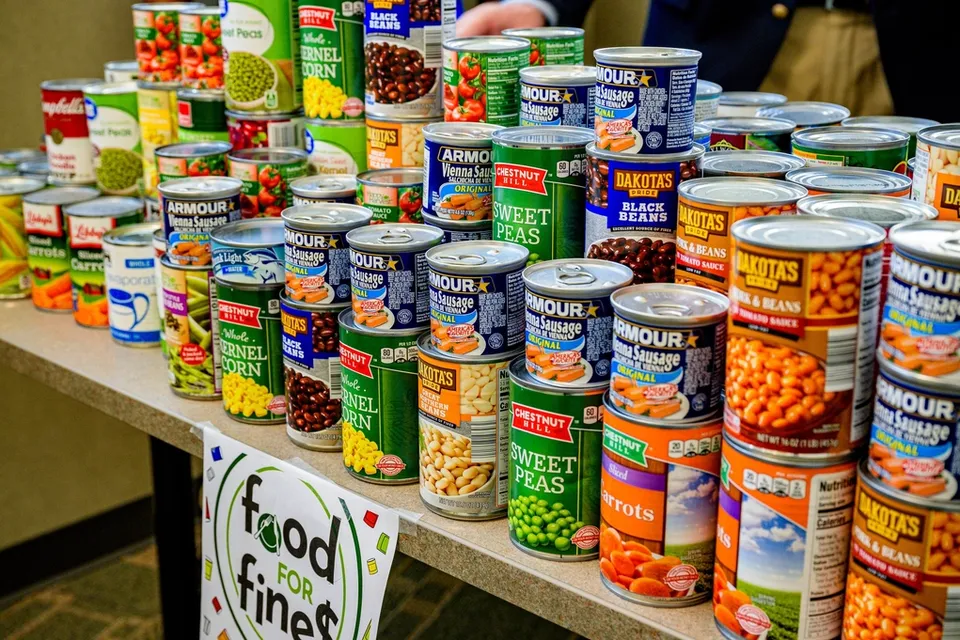
Canned food is a pantry hero: tomatoes for sauce, beans and chickpeas for quick meals, tuna for sandwiches, corn, soups and coconut milk, all shelf-stable and ready in minutes. But if you've started paying attention to microplastics and chemicals like BPA, you may have wondered what's on the inside of that shiny can. The answer is that nearly every can is lined with plastic. This guide explains what can linings are made of, what changed with BPA, what research says about microplastics in canned food and what it doesn't know yet, which foods may pick up more, how to use canned foods more safely and when glass jars, frozen or dried foods make better alternatives.
In this guide:
- why cans are lined with plastic
- BPA and BPA-free linings
- what research says about microplastics
- which canned foods may be affected most
- how to use canned food more safely
- the best alternatives

Our pick: the Vanotium titanium cutting board
Non-porous titanium, no microplastics, dishwasher-safe and backed by a 30-day money-back guarantee. Multi-board deals bring it down to $42.77 per board.
Check today's Vanotium price →Ships in 5–7 days with tracking · 30-day guarantee
Why are food cans lined with plastic?
Food cans are made of steel (tin-plated or tin-free) or aluminum. Without a protective layer, acidic, salty or fatty foods would corrode the metal, change the flavor and shorten shelf life, and metal could move into the food. So manufacturers spray a very thin coating inside each can. It protects the metal from the food and the food from the metal.
That coating is a type of plastic. For decades, the most common choice was epoxy resin made with bisphenol A (BPA), because it's tough, heat-resistant and cheap.
What's the concern with BPA in cans?
Small amounts of BPA can migrate from the lining into food, especially during the high heat of canning, during long storage and with fatty or acidic foods. BPA can act like a hormone in the body, which is why researchers and regulators have studied it closely. The National Institute of Environmental Health Sciences gives a clear overview of BPA and possible health effects.
In response to consumer pressure, most major US food brands have switched many or all of their cans to linings made without BPA, and the European Union decided in late 2024 to ban BPA in food contact materials, including can coatings, with transition periods.
What replaces BPA in can linings?
| Lining | Where it's used | Notes |
|---|---|---|
| Polyester coatings | Widely used BPA-free option | Versatile, well studied |
| Acrylic coatings | Often fruits and vegetables | Less suited to very acidic food |
| Polyolefin coatings | Newer option | Considered very inert |
| PVC-based organosols | Used historically | Being phased out by many brands |
| Non-BPA epoxy | Some products | Uses other building blocks |
So "BPA-free" doesn't mean "plastic-free". Replacements are usually better studied than early alternatives in plastic bottles, but they're still coatings, and research continues. More in is BPA-free plastic safe?
What does research say about microplastics in canned food?
Microplastics have been found in many foods, fresh and processed. Studies have also detected particles in some canned products, such as canned fish. It's often hard to tell where they came from:
- the raw food, such as fish that took in microplastics from the ocean
- processing, through conveyor belts, hoses, gloves and packing machines
- the can itself, if the lining is damaged or wears under heat and pressure
The World Health Organization has called for more research into microplastics and their effects on health; see its statement calling for more research into microplastics. For the bigger picture of food sources, see microplastics in food.
Our pick: the Vanotium titanium cutting board
Non-porous titanium, no microplastics, dishwasher-safe and backed by a 30-day money-back guarantee. Multi-board deals bring it down to $42.77 per board.
Check today's Vanotium price →Ships in 5–7 days with tracking · 30-day guarantee
Which canned foods may pick up more?
- Acidic foods like tomatoes, fruit and sauerkraut, which are harder on linings.
- Fatty foods like fish in oil, coconut milk and ready meals, which absorb fat-soluble compounds more easily.
- Cans stored for a long time, which gives compounds more time to migrate.
- Dented or damaged cans, where the lining may be cracked.
- Canned seafood, since fish can carry microplastics from the sea. See microplastics in seafood.
How can you use canned food more safely?
- Don't store leftovers in the open can. Move them to a glass container in the fridge.
- Never heat food in the can on the stove or over a fire. Pour it into a pot.
- Skip dented, bulging, rusty or leaking cans.
- Rinse canned beans, which also removes extra salt and liquid.
- Use older cans first and check the best-by date.
- Choose glass jars more often for acidic foods like tomatoes and pasta sauce.
What are the best alternatives to canned food?
| Alternative | Pros | Things to know |
|---|---|---|
| Glass jars | Very inert, you can see the food | Lids are usually coated inside, but contact is much smaller |
| Dried beans and lentils | No lining, inexpensive | Soaking and cooking take time |
| Frozen vegetables | Nutritious, no can | Usually packed in plastic bags |
| Fresh produce | Can be bought without packaging | Shorter shelf life |
| Cartons | Light | Lined with plastic and often aluminum |
A practical approach for many families: cook a big pot of dried beans and freeze portions, buy tomatoes in glass and keep canned foods as a convenient backup.
How do you replace canned beans easily?
- Soak dried beans overnight in plenty of cold water.
- Drain and rinse the next day.
- Simmer in fresh water until tender, usually 30 to 90 minutes depending on the bean. Lentils need no soaking and cook in about 20 minutes.
- Freeze in portions in glass or stainless steel containers.
A pressure cooker cuts the cooking time a lot, and home-cooked beans often taste better than canned.
How should you store leftovers from a can?
Transfer leftovers to a clean glass container with a lid, label it with the date and use it within three to four days. Besides the lining question, open cans pick up fridge smells and food spoils faster in them. More ideas: glass vs plastic food containers and how to store food without plastic.
Where do you get the biggest microplastic wins?
Cans are only one source. The biggest everyday differences usually come from things you use daily and that visibly wear:
- plastic cutting boards, which shed shavings with every cut
- heating food in plastic containers in the microwave
- hot drinks in plastic cups and lids
- bottled water left in warm cars or sun
- worn nonstick pans and plastic utensils
A titanium cutting board is non-porous, doesn't shed microplastics and is dishwasher-safe, which removes one daily source in one easy step. More in how to reduce microplastics in your body and plastic cutting boards and microplastics.
Which canned food myths can you ignore?
- "Canned food is unhealthy." Canned vegetables and beans are nutritious and convenient. The question is the packaging, not the food.
- "BPA-free means plastic-free." Replacement linings are still plastic coatings.
- "Every can releases lots of microplastics." Where particles in canned food come from, and how much comes from the can, isn't yet known.
- "Glass jars have no plastic at all." Lids are usually coated, but they touch far less food.
What's the best choice for tomato products?
Tomatoes are acidic, so they're among the foods hardest on can linings. Good alternatives include passata and crushed tomatoes in glass bottles or jars, tomato paste in glass jars and, in summer, preserving your own tomatoes or freezing homemade sauce in glass. That way you still have tomatoes all winter, without a can.
What should families with young children know?
Babies and toddlers eat more food for their body weight than adults, so many parents prefer fresh or home-cooked purees, or purees in glass jars. Don't heat baby food in the jar with the lid on; transfer it to a bowl first. For school lunches, stainless steel containers are a durable alternative to plastic. See a plastic-free lunch box.
What should you look for when shopping?
- undamaged cans with no dents on the seams, rust or bulging lids
- acidic foods like tomatoes in glass when possible
- dried beans and lentils as a pantry staple
- brands that state they use BPA-free linings, if that matters to you
What about canned drinks?
Soda, sparkling water and beer cans are also lined, because acids and carbonation would attack aluminum. If you'd like fewer cans, choose glass bottles or refill a stainless steel bottle with filtered tap water.
The bottom line
Microplastics in canned food:
- nearly all food cans have a thin plastic lining inside
- most US brands have moved to BPA-free linings, which are still plastics
- microplastics have been found in some canned foods, but their source is often unclear
- move leftovers to glass, skip damaged cans and choose glass for acidic foods
- the biggest wins are everyday plastic sources in the kitchen
One of the easiest swaps is your cutting board: the Vanotium titanium cutting board is non-porous, microplastic-free and dishwasher-safe, from $42.77 per board in multi-board deals with a 30-day money-back guarantee.
Our pick: the Vanotium titanium cutting board
Non-porous titanium, no microplastics, dishwasher-safe and backed by a 30-day money-back guarantee. Multi-board deals bring it down to $42.77 per board.
Check today's Vanotium price →Ships in 5–7 days with tracking · 30-day guarantee
Frequently asked questions
Are food cans lined with plastic?
Almost always. A thin plastic coating protects the metal from the food and the food from the metal.
Do cans still contain BPA?
Most major US brands have switched many or all cans to BPA-free linings, but labels vary. The EU decided in late 2024 to ban BPA in food contact materials, with transition periods.
Is there microplastic in canned food?
Studies have found microplastics in some canned foods, such as fish, but whether they come from the can, the food or processing is often unclear.
Is it safe to store food in an open can?
It's better to move leftovers into a glass container and use them within three to four days.
Are glass jars better than cans?
Glass is very inert. Jar lids are usually coated inside but touch much less food than a can lining.
Does BPA-free mean plastic-free?
No. Replacement linings like polyester and acrylic are still plastic coatings.

Michelle Hert
Michelle is a home cook who cooks for a family every day and spends a lot of her free time reading the research behind the products that end up in our kitchens. She started Less Plastic Kitchen after the 2023 cutting board study made her look twice at the scratched plastic board on her own counter. Her guides are built on published studies, manufacturer specifications and verified buyer feedback, and she updates them when new information comes out. More about Michelle.