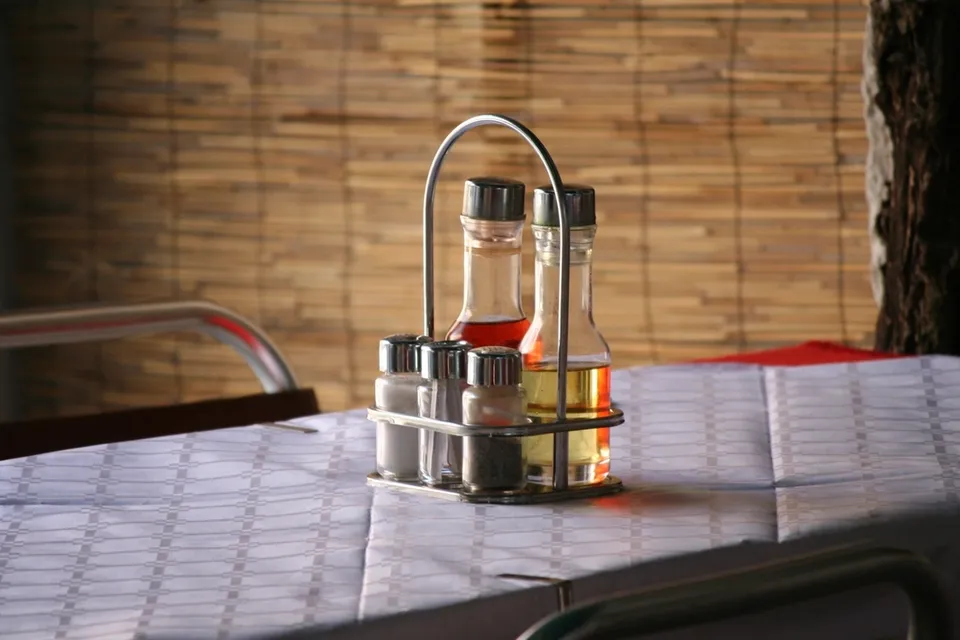
- Vinegar soak: cheap and familiar, but you have to measure it, it can leave a sour taste on berries and greens, and you have to rinse well afterward. You buy a bottle again and again.
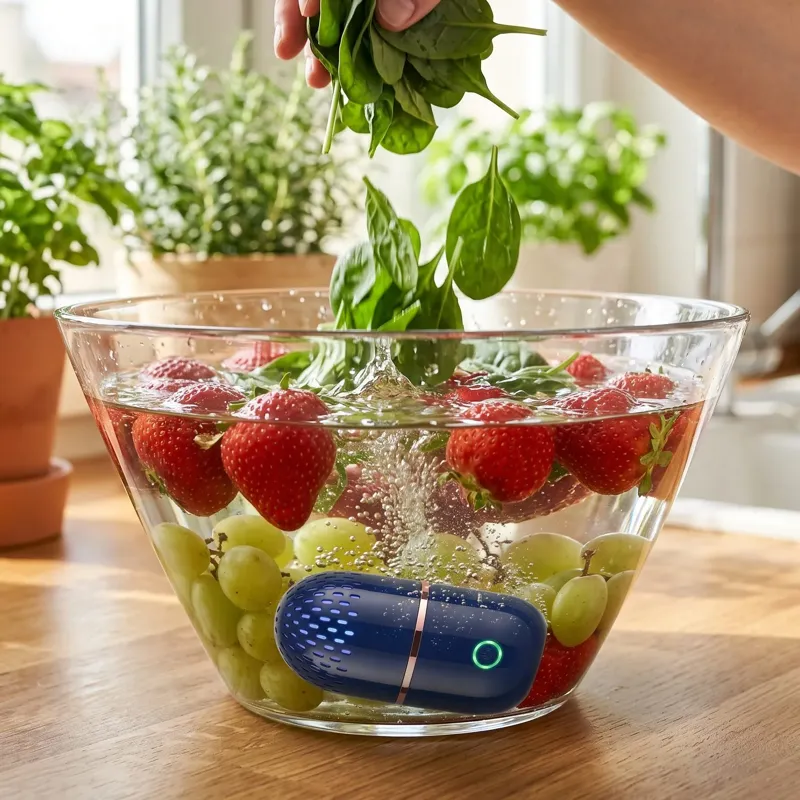
- PodBloom: a wireless capsule that runs a timed 10-minute electrolysis cycle in plain water, with no vinegar, soap, tablets or refills. Press a button, walk away, then rinse.
Ask ten home cooks how they wash produce and at least a few will tell you about the vinegar soak: a splash of white vinegar in a bowl of water, the fruit goes in for a few minutes, then a rinse. It's a kitchen tip that gets passed around on social media and in family kitchens alike. In the last year, a new option has joined the conversation: small electrolysis capsules like PodBloom that sit in the bowl and run a cycle by themselves. So which is better for everyday washing? We compared the two side by side on cost, effort, taste, what they can and can't do, and which kind of household each one suits.
In this comparison:
- how a vinegar soak and PodBloom each work
- a side-by-side table
- effort, taste and cost over a year
- which foods suit each method
- a simple routine you can use either way
Our pick for washing produce: PodBloom
A wireless, IPX7-waterproof purifier that sits in a bowl of water and runs a 10-minute electrolysis cycle for fruit and vegetables. No soap, no refills. $59.95, or $35.98 each in the 3-pack.
Check today's PodBloom price →30-day money-back guarantee · wireless charging base included
How does a vinegar soak work?
A vinegar soak is exactly what it sounds like. Most recipes call for about one part white vinegar to three or four parts water. You add the produce, let it sit for a few minutes, swish it around, then rinse it under the tap. Vinegar is mildly acidic, and many people like that it feels "cleaner" than water alone. It's also cheap and already in most pantries.
The drawbacks are practical rather than dramatic. You have to measure each time, you use a lot of vinegar for a big bowl, the smell lingers in the kitchen, and delicate foods such as raspberries, blackberries and lettuce can pick up a sour taste or turn soft if they soak too long. You also need to rinse thoroughly so the vinegar doesn't end up in your salad.
How does PodBloom work?
PodBloom is a compact, waterproof capsule (IPX7) about the size of a large spice jar. You put it at the bottom of a bowl of water with your fruit or vegetables and press the button. Titanium electrodes inside pass a small current through the water for a timed cycle of about 10 minutes. According to the brand, this electrolysis creates "active OH ions" that help loosen surface residue, wax and grime, while bubbles keep the water moving around the produce. When the cycle ends, it switches off by itself. You lift the produce out and rinse.
There's nothing to add: no vinegar, no soap, no tablets and no refills. It charges on a wireless base, so there are no ports to clog with water. Read our full PodBloom review for the specs.
How do PodBloom and a vinegar soak compare?
| Feature | Vinegar soak | PodBloom |
|---|---|---|
| What you add to the water | White vinegar, measured each time | Nothing; plain tap water |
| Timing | You watch the clock | Automatic 10-minute cycle, then switches off |
| Taste and smell | Can leave a sour taste and kitchen smell | No added taste or smell |
| Delicate berries and greens | Can soften if left too long | Plain water, gentle on delicate produce |
| Ongoing cost | Vinegar bottles every few weeks | No refills; recharge the battery |
| Plastic bottles | Yes, unless you buy glass | None |
| Hands-free | No | Yes |
| Upfront cost | A few dollars | $59.95, or $35.98 each in the 3-pack |
| Rinse afterward | Yes, thoroughly | Yes, a quick rinse |
What does the research say about soaking produce?
The most useful thing to know is that a longer soak followed by a rinse does better than a two-second splash under the tap. In a study published in the Journal of Agricultural and Food Chemistry, researchers found that soaking apples for 12 to 15 minutes in a baking soda solution removed more surface pesticide residue than a quick wash or a short bleach-water dip. The takeaway for home cooks isn't that one magic liquid fixes everything; it's that time in the water, movement and a final rinse all help.
That's where the two methods differ in real life. A vinegar soak works only as well as your patience: most people pull the produce out after a minute or two. PodBloom builds the full 10-minute soak and the water movement into a button press, so you get a thorough soak even on a busy evening. For a deeper look, see how to wash pesticides off produce and do produce washes work?
What do food safety agencies recommend?
The FDA recommends washing produce under running water just before you eat, cut or cook it, rubbing firm produce, and drying it with a clean towel. It also advises against washing produce with soap or detergent. Both a vinegar soak and PodBloom fit into that advice as long as you finish with a rinse under running water. Think of either one as an extra soak step before the rinse, not a replacement for it.
Which one takes less effort?
PodBloom, by a clear margin. Here's what a typical weeknight looks like with each:
| Step | Vinegar soak | PodBloom |
|---|---|---|
| 1 | Fill a bowl with water | Fill a bowl with water |
| 2 | Measure and pour vinegar | Drop in PodBloom and press the button |
| 3 | Add produce and set a timer | Add produce and walk away |
| 4 | Come back, swish, check the time | It switches off after about 10 minutes |
| 5 | Rinse thoroughly to remove the vinegar taste | Quick rinse |
| 6 | Air out the vinegar smell | Put PodBloom back on its charger |
The difference is small for one bowl of grapes. It adds up when you wash produce every day for a family.
Does vinegar change the taste of fruit?
It can. Porous and delicate foods soak up flavor. Raspberries, blackberries, strawberries, mushrooms and leafy greens are the most likely to taste a little sharp after a vinegar bath, especially if they sit longer than a few minutes or aren't rinsed well. Firm produce such as apples, cucumbers and peppers is less affected. Because PodBloom uses only plain water, there's no flavor to rinse away. That's one reason many families with kids prefer it for berries and grapes, which are lunchbox staples.
Which is cheaper over a year?
A vinegar soak is cheaper on day one. Over a year, the gap narrows. A family that soaks produce most days can easily go through a large jug of vinegar every few weeks, and each jug is another plastic bottle. PodBloom is a one-time purchase with no refills. At $35.98 each in the 3-pack (one for your kitchen, two as gifts or for family), it works out to roughly 10 cents a day over the first year if you use it daily, and it keeps going after that.
| Bundle | Price |
|---|---|
| 1 PodBloom | $59.95 |
| 2 PodBloom | $47.98 each |
| 3 PodBloom | $35.98 each, free shipping |
Every order has a 30-day money-back guarantee.
Skip the vinegar, keep the soak
PodBloom runs a hands-free 10-minute cycle in plain water, with no vinegar, soap or refills. $59.95, or $35.98 each in the 3-pack, with a 30-day money-back guarantee.
Check today's PodBloom price →30-day money-back guarantee · wireless charging base included
Which one means less plastic in the kitchen?
For readers of this site, that matters. Vinegar usually comes in plastic jugs, and store-bought produce washes come in plastic spray bottles. PodBloom has no consumables at all: the same capsule works day after day, and it charges wirelessly. If you're working through plastic-free kitchen swaps, replacing a recurring bottle with a reusable device is an easy win. It also pairs well with a plastic-free cutting board for prep; see the best cutting board for vegetables.
Which foods suit each method?
| Food | Vinegar soak | PodBloom |
|---|---|---|
| Strawberries | Works, but can taste sharp | Great fit; leave the stems on until after washing |
| Raspberries, blackberries | Can turn soft | Gentle; lift out carefully |
| Grapes | Works | Great fit; separate small bunches |
| Apples, pears | Works | Great fit; rub under the tap after |
| Lettuce, spinach, kale | Can wilt and taste sour | Separate the leaves first |
| Cucumbers, peppers, tomatoes | Works | Works |
| Potatoes, carrots | Scrub instead | Soak, then scrub with a brush |
For specific guides, see how to wash strawberries and how to wash grapes.
Can you use vinegar with PodBloom?
There's no need to, and we recommend using PodBloom in plain water as the brand intends. Its whole appeal is that you don't add anything. If you like a baking soda soak for some foods, do it as a separate step rather than mixing products in the bowl.
What's the best everyday routine?
- Wash right before eating or cooking, not when you get home from the store. Washing early adds moisture that can make berries spoil faster.
- Fill a clean bowl with enough cool water to cover the produce.
- Soak: drop in PodBloom and press the button, or use your vinegar mix if you prefer.
- Lift the produce out instead of pouring it into a colander, so loosened grime stays in the water.
- Rinse under running water, rubbing firm produce with your hands or a brush.
- Dry with a clean towel and cut on a clean board.
What can't either method do?
Being honest about limits makes both choices easier. No home wash, vinegar, baking soda or electrolysis, can remove residues that are inside the plant itself, and no soak replaces cooking for foods that need it. A wash also isn't a substitute for safe handling: keep raw meat away from produce and use separate boards. What a good soak does is clean the surface more thoroughly than a quick rinse, which is exactly the part you can control. See microplastics on fruit and vegetables for more on what's on produce.
Who should stick with a vinegar soak?
- People who wash produce only occasionally.
- Anyone on a very tight budget this month.
- Cooks who mostly buy firm produce like apples and peppers and don't mind the smell.
Who is PodBloom best for?
- Families who eat berries, grapes and salad every day.
- Parents packing fruit in lunchboxes who want clean produce without a sour taste.
- Busy cooks who want to start the wash and get on with dinner.
- Anyone cutting down on plastic bottles in the kitchen.
- People who simply forget to wash produce properly and want an easy habit.
It's also a thoughtful, practical gift; see gifts for home cooks.
How do you look after PodBloom?
- Rinse the capsule after each use and let it dry.
- Recharge it on the wireless base when the battery runs low.
- Use fresh water for every batch.
- Wash the bowl as usual.
If you use vinegar, how do you do it well?
- Use plain white vinegar, about 1 part to 3 or 4 parts water.
- Keep delicate berries and greens in for only a few minutes.
- Never mix vinegar with bleach or other cleaners.
- Rinse thoroughly under running water afterward.
- Dry the produce before storing it.
The bottom line
A vinegar soak and PodBloom both beat a two-second rinse, because both give produce time in the water before a final rinse. The difference is the daily experience:
- vinegar is cheap upfront but needs measuring, timing and a thorough rinse, and it can leave a sour taste
- PodBloom runs a hands-free 10-minute cycle in plain water, with no taste, no smell and no refills
If you wash produce every day, PodBloom is the easier habit to keep. It costs $59.95, or $35.98 each in the 3-pack, with a 30-day money-back guarantee.
Our pick for washing produce: PodBloom
A wireless, IPX7-waterproof purifier that sits in a bowl of water and runs a 10-minute electrolysis cycle for fruit and vegetables. No soap, no refills. $59.95, or $35.98 each in the 3-pack.
Check today's PodBloom price →30-day money-back guarantee · wireless charging base included
Frequently asked questions
Is PodBloom better than a vinegar soak?
For daily washing, it's easier: a hands-free 10-minute cycle in plain water, with no measuring, no sour taste and no refills.
Does vinegar change the taste of fruit?
It can. Berries, mushrooms and leafy greens can taste sharp after a vinegar soak, especially if they aren't rinsed well.
Do I add vinegar to the water with PodBloom?
No. PodBloom is designed to work in plain tap water, with nothing added.
Is a vinegar soak cheaper than PodBloom?
On day one, yes. Over a year of daily use, vinegar bottles add up, while PodBloom has no refills.
Do I still need to rinse produce after soaking?
Yes. With either method, finish with a rinse under running water, as the FDA recommends.
How much does PodBloom cost?
$59.95 for one, $47.98 each for two and $35.98 each for three, with a 30-day money-back guarantee.

Michelle Hert
Michelle is a home cook who cooks for a family every day and spends a lot of her free time reading the research behind the products that end up in our kitchens. She started Less Plastic Kitchen after the 2023 cutting board study made her look twice at the scratched plastic board on her own counter. Her guides are built on published studies, manufacturer specifications and verified buyer feedback, and she updates them when new information comes out. More about Michelle.