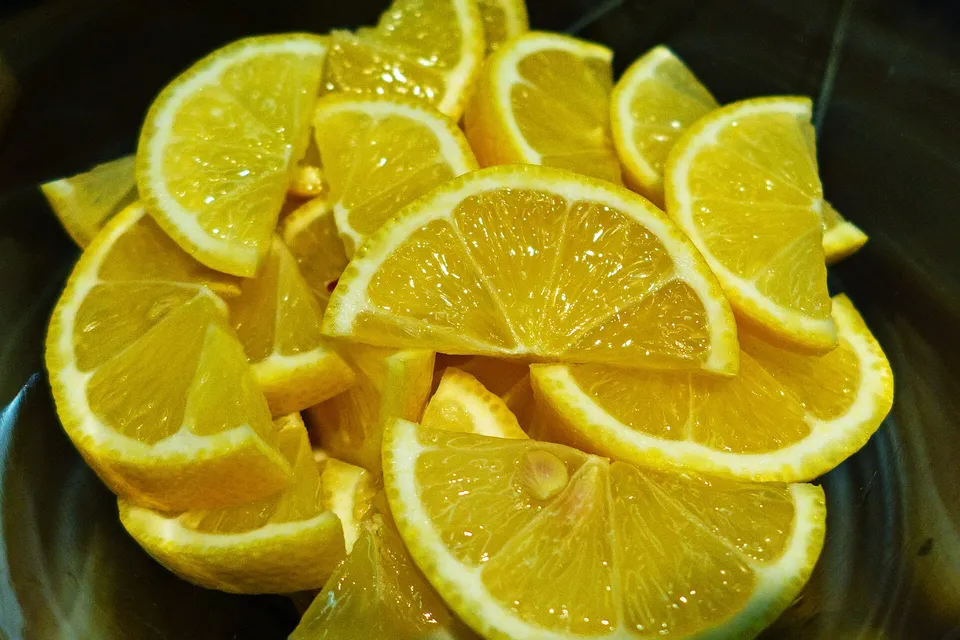
- It forms a thin, stable oxide layer that doesn't react with acidic foods like lemons, tomatoes or vinegar.
- It's non-porous, so it doesn't hold onto garlic, onion or fish flavors after rinsing.
- Food sits on the board for minutes, not hours, so there's very little contact time.
When people first see a metal cutting board, one question comes up almost immediately: will my food taste like metal? It's a fair concern. Many of us have tasted the tang of a cheap aluminum pot with tomato sauce or a metal water bottle that wasn't rinsed properly. A cutting board that touches raw fruit, herbs and fish every day should keep flavors pure.
This guide explains why titanium is different from other metals, what really causes a metallic taste, how titanium compares with wood, plastic and stainless steel when it comes to flavor and odor, and how to keep any board tasting neutral.
Why don't titanium boards change the taste of food?
Titanium reacts with oxygen in the air to form a very thin layer of titanium dioxide on its surface. This passive layer is extremely stable, which is why titanium is used in medical implants, aircraft and high-end cookware. In the kitchen, that layer means the board doesn't react with acidic juices, salt or moisture under normal conditions. Without a reaction, there's nothing to release into food that could change its flavor.
Contact time matters too. Food sits on a cutting board for a few minutes while you chop. That's very different from simmering tomato sauce for an hour in a reactive pot.
What causes a metallic taste in the kitchen?
| Common cause | Why it happens |
|---|---|
| Reactive metals (bare aluminum, unseasoned cast iron) | Acidic foods can react and pick up a metallic tang during long cooking |
| Worn coatings | Thin coatings over another metal can wear and expose the base |
| Soap residue | Not rinsing well leaves a bitter or chemical taste |
| Dirty knives | Old residue or rust on the blade transfers flavors |
| Medications or illness | Some cause a metallic taste in the mouth regardless of food |
A solid titanium board isn't on that list in normal use. If you notice a taste, check the rinse and the knife first.
Are titanium-coated boards different?
Yes. Some low-cost "titanium" boards are actually stainless steel or another metal with a thin titanium-colored coating. Over time, knives can wear through coatings and expose the base metal. That's one reason to choose a board made from solid titanium rather than a coated one. Our guide to titanium vs titanium-coated boards explains how to tell them apart.
Does titanium hold onto odors?
No, and that's one of its best features. Because titanium is non-porous, garlic, onion, fish and spices stay on the surface instead of soaking in. A quick rinse with warm water and a drop of dish soap removes them. That's a big difference from wooden and plastic boards, which can absorb strong flavors in their grain or knife grooves, and then pass them on to the next food you cut, like a fruit salad that tastes faintly of onion.
How does titanium compare with other boards for taste?
| Board | Flavor transfer | Odor retention |
|---|---|---|
| Solid titanium | Very low; inert surface | Very low; non-porous |
| Stainless steel | Low | Low |
| Wood | Low when fresh; can hold strong flavors | Moderate; grain absorbs odors |
| Plastic | Low when new | Rises as grooves build up |
| Glass | Very low | Very low (but hard on knives) |
See stainless steel vs titanium for a full comparison.

Clean flavors, no plastic
Vanotium solid titanium cutting board: non-porous, odor-resistant and dishwasher-safe. From $42.77 per board in multi-packs, with a 30-day guarantee.
Check today's Vanotium price →Ships in 5–7 days with tracking · 30-day guarantee
Is titanium safe with lemons, tomatoes and vinegar?
Yes. Titanium's oxide layer is resistant to the acids found in food. You can slice citrus, tomatoes, pickles and marinated meats on a titanium board without worrying about a reaction. Just rinse the board after use, as you would with any board, so juices don't dry on the surface.
Is titanium food-safe?
Titanium is widely used for items that touch the body for long periods, including surgical implants, because it's so stable. For a detailed look at food safety, see is titanium food-safe? and are titanium cutting boards safe?. As with any board, clean it properly between raw meat and ready-to-eat foods, following the USDA's cutting board guidance.
Does plastic affect the taste of food?
New plastic boards usually don't change flavor much, but as they age, knife grooves trap food residue and odors that can transfer. Plastic boards also shed microplastics as they're cut: a 2023 study estimated that chopping on plastic boards may release thousands of particles a year into food (Yadav et al., 2023). You won't taste them, which is part of why the issue went unnoticed for so long. See plastic boards and microplastics.
Can the knife affect the taste?
Yes. A rusty or poorly cleaned knife can transfer old residue or a metallic note. Wash and dry knives after every use, especially carbon steel knives, which can rust and react with acidic foods. A clean stainless knife on a titanium board is a neutral combination.
How do you keep a titanium board tasting neutral?
- Rinse right after cutting strong-smelling foods like garlic, onion or fish.
- Wash with warm water and a small amount of dish soap.
- Rinse well so no soap film remains.
- Dry with a towel or let it air-dry upright.
- Use the dishwasher for a deeper clean when needed.
For stubborn smells, rub the surface with a little baking soda paste or lemon juice, then rinse. Our guide to cleaning a titanium cutting board has more tips.
Should you wash a new titanium board before use?
Yes. Wash any new board before the first use to remove dust, manufacturing residue or packaging fibers. Warm water and a mild dish soap are enough. Rinse thoroughly and dry. After that, everyday rinsing keeps it fresh.
Do scratches affect taste?
Light surface marks are normal on any cutting board. On solid titanium, marks don't create deep grooves that trap food the way plastic does, and the exposed surface is still titanium, which forms its oxide layer again. See does a titanium board scratch?
Is titanium good for fruit and bread?
Yes. Because it doesn't hold odors, titanium is great for switching from onions to strawberries without the fruit picking up a savory note. It also makes a clean surface for slicing bread and cheese for a quick snack or serving board.
What do buyers say about taste and smell?
Many buyers of titanium boards highlight how easily smells rinse away compared with their old wooden or plastic boards. Our Vanotium review summarizes what customers mention most, including ease of cleaning and the 30-day guarantee.
What are common myths about metal boards and taste?
- "All metal makes food taste metallic." Reactive metals can during long cooking; inert titanium doesn't on a board.
- "Titanium leaches into food." Its stable oxide layer is exactly why it's used in implants.
- "Wood is always better for flavor." Wood can hold odors in its grain; titanium rinses clean.
- "Coated and solid titanium are the same." Coatings can wear through; solid titanium doesn't.
What if you have a sensitive palate?
People with a very sensitive sense of taste, such as chefs, wine lovers or anyone who notices off-flavors easily, often appreciate titanium because it doesn't hold onto previous foods. If you want to test it yourself, slice a piece of apple on a freshly rinsed board and compare it to one sliced on a plate. Most people notice no difference at all.
Does titanium change the taste of fresh herbs?
No. Herbs like basil, mint and cilantro bruise and release their oils when you chop them, and those oils stay on the surface of a titanium board rather than soaking in. Rinse the board between herbs if you want to keep flavors separate, for example between garlic and mint.
Does it affect meat or fish?
No. Raw meat and fish don't react with titanium. The main concern with these foods is food safety, not taste, so wash the board with hot soapy water or run it through the dishwasher after cutting raw meat, poultry or seafood, and before using it for ready-to-eat foods.
Is titanium a good choice for picky eaters?
Kids who are picky about flavors often notice when fruit tastes like onion or garlic. Because titanium rinses clean, it helps keep snacks tasting the way they expect. That's a small but real benefit for families who prep fruit and vegetables on the same board as dinner.
Can you serve food on a titanium board?
Yes. A titanium board works as a clean, modern serving surface for cheese, charcuterie, bread or fruit. It doesn't absorb oils from cheese or cured meats, and you can wash it in the dishwasher afterward. Let it come to room temperature if it's been in a cold kitchen so cheeses soften nicely.
The bottom line
A solid titanium cutting board doesn't make food taste metallic. Its stable oxide layer doesn't react with acidic foods, and its non-porous surface rinses clean of garlic, onion and fish odors. If you notice an off taste, check for soap residue, a dirty knife or a coated board. For clean flavors and a plastic-free kitchen, solid titanium is an excellent choice.
Our pick is Vanotium. Check today's Vanotium price and multi-pack deals.
Sources
- USDA Food Safety and Inspection Service. Cutting Boards and Food Safety.
- Yadav H. et al. Cutting Boards: An Overlooked Source of Microplastics in Human Food? Environmental Science & Technology, 2023.
Frequently asked questions
Does a titanium cutting board make food taste metallic?
No. Solid titanium is inert and doesn't react with food in normal use.
Is titanium safe with lemons and tomatoes?
Yes. Its oxide layer resists food acids.
Does titanium hold garlic or onion smells?
No. It's non-porous, so odors rinse off.
Why might I notice an odd taste?
Usually soap residue, a dirty knife or a coated board rather than solid titanium.
Should I wash a new board before use?
Yes, with warm water and mild dish soap.
Is Vanotium solid titanium?
Yes, its cutting surface is titanium with no coating to wear off.

Michelle Hert
Michelle is a home cook who cooks for a family every day and spends a lot of her free time reading the research behind the products that end up in our kitchens. She started Less Plastic Kitchen after the 2023 cutting board study made her look twice at the scratched plastic board on her own counter. Her guides are built on published studies, manufacturer specifications and verified buyer feedback, and she updates them when new information comes out. More about Michelle.