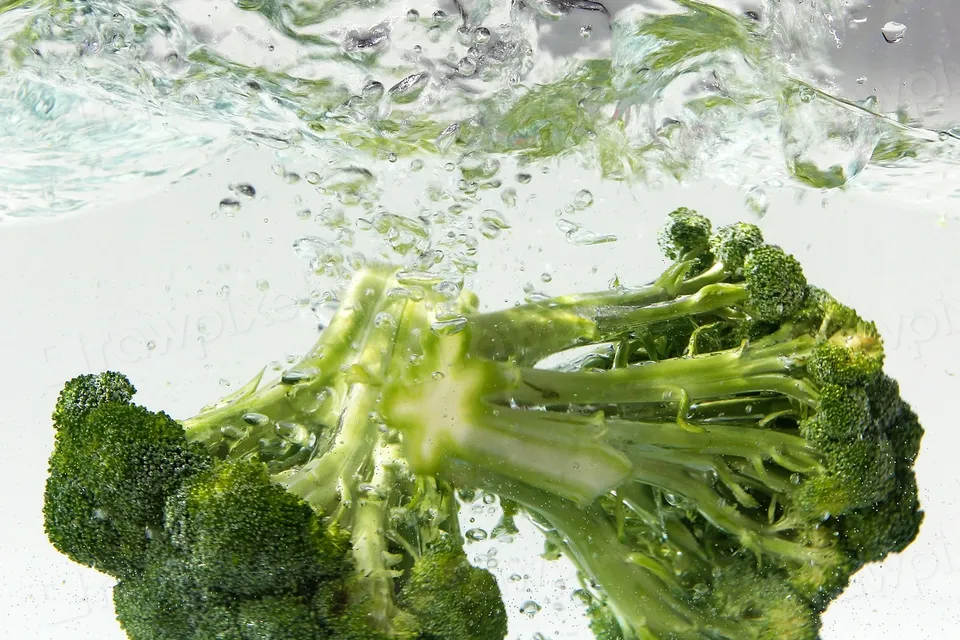
- Rinse under cool running water and rub firm produce with your hands or a soft brush. This is the FDA's basic advice and it removes a good share of surface residue and dirt.
- Soak, then rinse: a 12 to 15 minute soak in water with baking soda (about 1 teaspoon per 2 cups) removed more surface pesticide from apples than plain water in a university study.
- Peel or trim outer leaves and skins when it makes sense.
- Skip soap and bleach. They aren't meant for food and can leave their own residue.
Strawberries, spinach, apples, grapes and peppers often show up on lists of produce with the most pesticide residue. That doesn't mean you should stop eating them: fruit and vegetables are some of the healthiest foods you can buy. It just means a few minutes of smart washing is worth it. This guide explains what washing can and can't remove, the methods that work best for each type of produce, the mistakes to avoid and how to build a simple routine that fits a busy kitchen.
Why wash pesticides off produce at all?
Conventional farming uses pesticides to protect crops from insects, fungi and weeds. In the United States, the EPA sets limits on how much residue may remain on food, and most produce tests within those limits. Still, many people want to lower their exposure further, especially for children, during pregnancy or for fruit they eat every day.
Washing helps with more than pesticides. It also removes soil, wax, dust and bacteria picked up during harvest, transport and handling in the store. Even produce you peel, like melons and oranges, should be rinsed first so the knife doesn't drag dirt from the skin into the flesh.
What can washing remove, and what can't it?
Washing works on residue that sits on the surface. Some pesticides are "systemic", which means the plant absorbs them into its tissue; no rinse or soak can remove those completely. That's why experts describe washing as a way to reduce residue, not eliminate it.
| What's on your produce | Does washing help? |
|---|---|
| Surface pesticide residue | Yes, a good share comes off with rinsing, rubbing and soaking |
| Soil, dust and grit | Yes, very effectively |
| Wax coatings | Partly; warm water and rubbing help |
| Bacteria on the surface | Reduces them; it doesn't sterilize |
| Systemic pesticides inside the plant | No; buying organic for high-residue items is the only real fix |
Is rinsing under running water enough?
For many foods, rinsing well is a solid baseline. The FDA recommends washing produce under running water just before eating, cutting or cooking, rubbing it gently, and scrubbing firm produce like melons and cucumbers with a clean brush. Running water works better than a quick dip because the flow carries residue away instead of letting it settle back onto the food.
The weak spot of a quick rinse is time. Most of us hold an apple under the tap for two or three seconds. Residue that's bonded to waxy skins needs longer contact with water, which is where soaking comes in.
Does a baking soda soak remove more pesticide?
Yes, for the residues that were tested. In a 2017 study from the University of Massachusetts, apples soaked for 12 to 15 minutes in a 1% baking soda solution lost more surface residue of two common pesticides than apples washed with tap water or a bleach solution. Baking soda is mildly alkaline, which helps break down some pesticide compounds.
How to do it at home:
- Fill a large bowl with cool water.
- Stir in about 1 teaspoon of baking soda for every 2 cups of water.
- Add the produce and let it soak 12 to 15 minutes.
- Rinse under running water and dry with a clean towel.
Delicate berries and leafy greens can get soft if they soak too long, so keep those soaks shorter and handle them gently.
Do electric produce cleaners like PodBloom help?
Electric produce purifiers have become popular because they take the effort out of soaking. PodBloom is a small wireless capsule that you place in a bowl of water with your fruit and vegetables. It runs a 10-minute cycle using electrolysis between titanium electrodes, with no soap, tablets or refills, and then switches off. When the cycle ends, you lift the produce out and give it a final rinse.
The appeal is convenience: you start the cycle, put away groceries, and come back to washed strawberries, grapes or spinach. It's waterproof (IPX7), charges on a wireless base and is small enough to store in a drawer. For families who eat a lot of fresh fruit, that turns washing from a chore you skip into a habit you actually keep.
As with any soak, think of it as one step in a routine that ends with rinsing, not as a magic eraser for residue inside the plant.
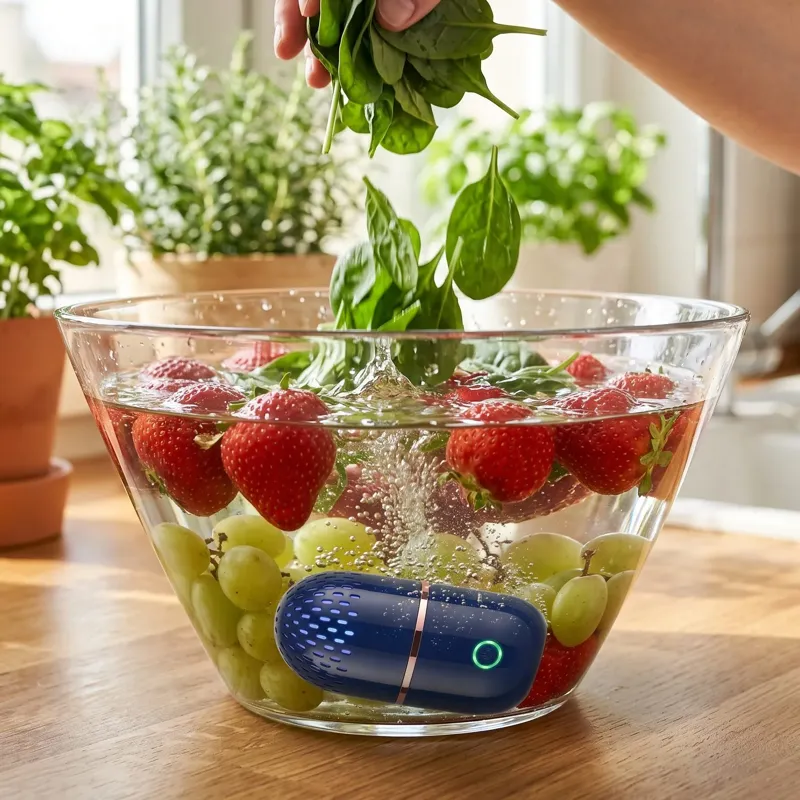
A hands-free way to soak your produce
PodBloom runs a 10-minute cycle in a bowl of water, with no soap or refills. $59.95, or $35.98 each in the 3-pack, with a 30-day money-back guarantee.
Check today's PodBloom price →30-day money-back guarantee · wireless charging base included
How should you wash each type of produce?
| Produce | Best method |
|---|---|
| Apples, pears, nectarines | Soak, then rub under running water; peel if you prefer |
| Strawberries, blueberries | Short soak in a bowl, gentle rinse in a colander, dry right before eating |
| Grapes, cherries | Soak on the stem, then rinse and roll in a towel |
| Spinach, kale, lettuce | Separate leaves, swish in a bowl of water, change the water, repeat |
| Peppers, tomatoes, cucumbers | Rub under running water; brush cucumbers |
| Potatoes, carrots | Scrub with a brush under running water |
| Melons, citrus | Scrub the rind before cutting |
What washing mistakes should you avoid?
- Using dish soap or detergent. Produce skins absorb it, and it isn't made to be eaten.
- Using bleach. It's a sanitizer for surfaces, not food.
- Washing berries days ahead. Moisture speeds up mold; wash just before eating.
- Soaking in the sink basin. Sinks harbor bacteria; use a clean bowl.
- Skipping the final rinse. It carries away what a soak loosened.
- Cutting before washing. Cut surfaces soak up water and whatever is in it.
When is it worth buying organic instead?
Organic produce isn't residue-free, but it's grown with far fewer synthetic pesticides. If your budget allows only some organic purchases, focus on the fruit and vegetables you eat most often and that tend to carry more residue, such as strawberries, spinach, kale, grapes, peaches and apples. For produce with thick skins you remove, like avocados, onions, pineapple and melons, conventional is usually fine.
Whatever you buy, washing well is the part you control every day.
Is washing produce related to microplastics?
Partly. Studies have found tiny plastic particles on and in fruit and vegetables, from irrigation water, soil and packaging. Rinsing can remove particles that sit on the surface, but not those inside the plant. The bigger levers are in your kitchen: storing produce without plastic wrap and cutting it on a board that doesn't shed plastic. Read more in microplastics in food and how to avoid microplastics in your kitchen.
What does a simple weekly washing routine look like?
- After shopping: put away produce unwashed, except anything visibly dirty.
- Before eating or cooking: soak what you're about to use for 10 to 15 minutes, by hand or with a purifier like PodBloom.
- Rinse under running water and rub firm items.
- Dry with a clean towel or salad spinner.
- Prep on a clean, non-porous cutting board, washing the board between raw meat and produce.
If you want a board that's easy to keep clean between tasks, see the best cutting board for vegetables and how to sanitize a cutting board.
How should you store produce after washing?
Most produce lasts longer if you store it dry and wash it right before use. When you do wash ahead, for example a big bowl of grapes for the kids, dry everything thoroughly and store it in glass containers lined with a clean towel. Glass and stainless containers keep food fresh without plastic film; see how to store food without plastic for ideas.
How do you make produce washing easy for kids and busy families?
The best washing method is the one your household will actually use. A few ideas that help:
- Set up a "washing station" with a big bowl, a colander and a towel near the sink so it takes no planning.
- Let kids help. Swishing grapes or berries in a bowl is a fun job for little hands and teaches good habits.
- Wash snack fruit in batches right before snack time, so it's ready to grab.
- Use a timer or a device that times itself. A purifier like PodBloom turns off after its cycle, so nobody has to remember how long the fruit has been soaking.
Why does drying produce matter after washing?
Drying finishes the job. A clean towel or a salad spinner removes water that would otherwise carry loosened residue back onto the food, and dry produce stays crisp and fresh longer. Wet berries and greens spoil faster in the fridge, so dry anything you won't eat right away.
What's the bottom line?
You can't wash away every trace of pesticide, but you can remove a good share of surface residue, dirt and bacteria with a simple routine: soak for 10 to 15 minutes, rinse under running water, rub or scrub firm produce and dry it before eating. Baking soda soaks have research behind them, and a hands-free purifier like PodBloom makes the soak effortless so it actually happens every day. Skip soap and bleach, buy organic for the high-residue foods you eat most, and keep enjoying plenty of fresh fruit and vegetables.
Our pick for washing produce: PodBloom
A wireless, IPX7-waterproof purifier that sits in a bowl of water and runs a 10-minute electrolysis cycle for fruit and vegetables. No soap, no refills. $59.95, or $35.98 each in the 3-pack.
Check today's PodBloom price →30-day money-back guarantee · wireless charging base included
Frequently asked questions
What is the best way to wash pesticides off produce?
Soak produce 12 to 15 minutes in water, ideally with a little baking soda, then rinse under running water and rub or scrub firm items.
Does baking soda remove pesticides?
A University of Massachusetts study found a 1% baking soda soak removed more surface residue of two pesticides from apples than tap water or bleach.
Does vinegar remove pesticides?
Vinegar can help loosen dirt, but baking soda had stronger evidence for pesticide residue in the study we cite. Always finish with a rinse.
Should I wash produce with soap?
No. The FDA advises against soap or detergent on produce because skins can absorb it.
Can washing remove all pesticides?
No. Washing removes surface residue, but not systemic pesticides absorbed inside the plant.
Do produce purifiers like PodBloom work?
They make soaking hands-free with a 10-minute cycle in a bowl of water. Finish with a rinse under running water.

Michelle Hert
Michelle is a home cook who cooks for a family every day and spends a lot of her free time reading the research behind the products that end up in our kitchens. She started Less Plastic Kitchen after the 2023 cutting board study made her look twice at the scratched plastic board on her own counter. Her guides are built on published studies, manufacturer specifications and verified buyer feedback, and she updates them when new information comes out. More about Michelle.