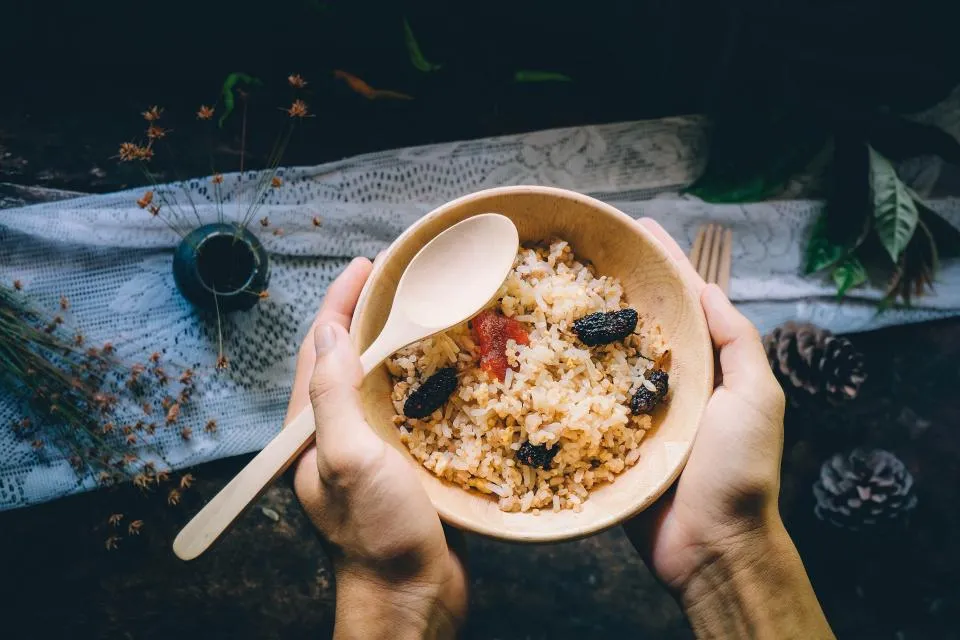
- Washing rice before cooking reduced plastic levels by about 20 to 40 percent.
- Instant (precooked) rice had about four times more plastic than uncooked rice.
Rice is a staple food for billions of people. It's affordable, filling and versatile, from a simple side dish to sushi, risotto and fried rice. So when researchers report finding plastic in rice, it gets attention. The good news is that this is one food where a few simple habits make a measurable difference.
This guide explains what the research found, where plastic in rice comes from, whether washing really works, how instant rice compares, how to store and cook rice with less plastic, and other easy changes in the kitchen.
What did the rice study find?
Researchers at the University of Queensland measured plastic in rice purchased in supermarkets and found plastic in the samples tested. They reported that washing rice reduced plastic contamination by 20 to 40 percent, and that instant, precooked rice contained about four times more plastic than uncooked rice; washing instant rice reduced its levels further. The researchers suggested that packaging was a likely source, since much of the plastic probably came from the bags rice is sold in.
Where does plastic in rice come from?
- Plastic packaging: bags rub against grains during transport and handling.
- Processing equipment: plastic parts and conveyors in mills.
- The environment: dust, water and soil around farms and factories.
- Precooking and repackaging for instant and microwave rice, which adds more contact with plastic.
Which types of rice may contain more plastic?
| Type | Plastic exposure | Tip |
|---|---|---|
| Uncooked rice, rinsed | Lowest in the study | Rinse until the water runs mostly clear |
| Uncooked rice, unrinsed | Higher | A quick rinse helps |
| Instant / precooked rice | About four times higher than uncooked | Rinse it if the package allows; choose regular rice more often |
| Microwave rice pouches | Cooked in plastic | Empty into a bowl before heating |
How do you wash rice properly?
- Measure the rice into a bowl or a stainless steel sieve.
- Cover with cold water and swirl gently with your hand.
- Pour off the cloudy water.
- Repeat two to four times, until the water is mostly clear.
- Drain well before cooking.
Washing also removes excess surface starch, which gives fluffier grains for many types of rice. Some enriched rice in the U.S. is coated with vitamins, so rinsing removes part of that enrichment; if that matters to you, check the package. For risotto, where surface starch makes it creamy, you might rinse only briefly.
Does washing rice help with arsenic too?
Rice absorbs more arsenic from soil and water than many other grains, which is a separate issue from microplastics. Rinsing helps a little; cooking rice in a larger amount of water and draining the excess, like pasta, reduces arsenic more. Eating a variety of grains, like oats, quinoa, barley and buckwheat, also helps limit exposure.
How should you store rice?
Transfer rice from plastic bags to glass jars or stainless steel canisters with tight lids. That reduces ongoing contact with plastic, keeps out moisture and pests, and makes it easy to see how much you have. Store it in a cool, dry place. Buying rice in bulk using your own containers, where stores allow it, avoids plastic bags altogether. See how to store food without plastic.
What's the best way to cook rice with less plastic?
- Stainless steel pot with a lid: simple and plastic-free. See is stainless steel cookware safe?
- Enameled cast iron or clay pot: great for rice dishes and pilafs.
- Rice cooker with a stainless steel inner pot: many cookers use nonstick coatings, so look for stainless or ceramic options.
- Avoid boil-in-bag rice, which cooks in plastic.
- Store leftovers in glass, cool quickly and reheat until steaming hot.
How do you store cooked rice safely?
Cooked rice can carry spores of Bacillus cereus that survive cooking. To stay safe, cool rice quickly, refrigerate it within an hour or two in a shallow glass container, eat it within a day or so and reheat it until steaming hot all the way through. Don't reheat rice more than once. These habits matter more for food safety than the container, but glass makes cooling and reheating easier without plastic.
What about the rest of the meal?
Most rice dishes, like stir-fries, curries, burrito bowls and fried rice, involve plenty of chopping. A 2023 study in Environmental Science & Technology found that chopping on plastic cutting boards releases microplastics with every cut, and it estimated tens of grams per person each year. So if you wash your rice but chop vegetables on a scarred plastic board, you're still adding plastic to the meal.
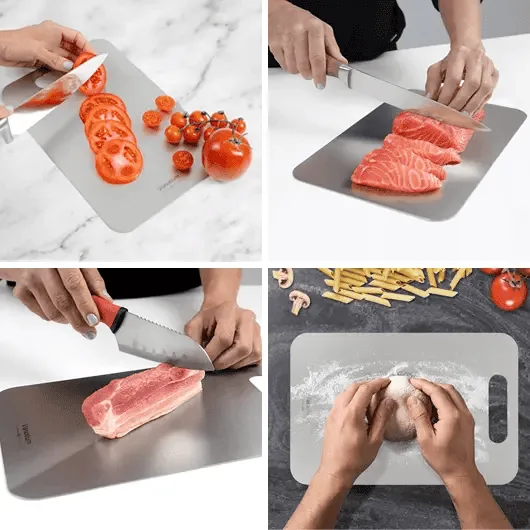
Vanotium is a titanium cutting board with a non-porous surface that sheds no plastic, doesn't hold juices or odors, is dishwasher-safe and resists scratches and warping. In October 2026 it was $66.66 for one board or $42.77 each in a four-pack, with a 30-day guarantee. Read our Vanotium review (4.6/5) and plastic boards and microplastics.

Wash the rice, swap the board
Vanotium titanium cutting board: no plastic to shed, non-porous, dishwasher-safe and built to last. From $42.77 per board in multi-packs, with a 30-day guarantee.
Check today's Vanotium price →Ships in 5–7 days with tracking · 30-day guarantee
Which other staples contain microplastics?
Rice isn't unique. Microplastics have been reported in salt, bottled water, tea bags, seafood, honey and many packaged foods. The common thread is plastic packaging and processing. See microplastics in food, microplastics in salt and microplastics in tea bags.
Should you worry about microplastics in rice?
The health effects of microplastics in food are still being studied. The FDA says current evidence does not show that the levels found in foods pose a risk to human health, while scientists continue to research the topic. Since washing rice is easy and also improves texture, it's a simple habit worth keeping. See microplastics health effects.
Is brown rice different from white rice?
The study didn't focus on brown versus white rice, so there's no clear answer for microplastics. Brown rice keeps its bran layer, which adds fiber and nutrients but can also hold more arsenic. Both benefit from rinsing and from storage in glass. Choosing between them is more about nutrition, taste and how you cook than about plastic.
How can families make this a habit?
The easiest way is to build it into your routine. Keep a stainless steel sieve next to the rice jar, so rinsing takes 30 seconds. Cook a pot of rice on the stove instead of using microwave pouches, and freeze portions in glass containers for busy nights. Kids can help rinse the rice; it's a simple kitchen job they enjoy, and it teaches good habits early.
What about rice at restaurants?
You can't control how a restaurant washes or cooks its rice, but you can control what happens after. Takeout rice usually arrives in a plastic tub; move it to a plate and store leftovers in glass. Reheat with a splash of water in a covered glass dish or a pan on the stove. See are plastic takeout containers safe?
Is instant rice worth the convenience?
Instant and microwave rice save time, but the study found that instant rice carried about four times more plastic than uncooked rice. A simple middle ground is to cook regular rice in a big batch and freeze it. Spread cooked rice on a tray to cool quickly, portion it into glass containers and freeze. On busy nights, reheat a portion in a covered glass bowl with a splash of water, or in a pan on the stove. It's almost as fast as instant rice, cheaper per serving and keeps more plastic off your plate. If you do buy microwave pouches, empty the rice into a glass or ceramic bowl before heating rather than microwaving it in the pouch.
Should you replace your rice cooker?
Many rice cookers have a nonstick-coated inner pot, and some have plastic parts in contact with steam. You don't need to throw yours away, but when it's time to replace it, look for a model with a stainless steel or ceramic inner pot. In the meantime, avoid scratching the coating with metal spoons, and replace the inner pot if it's flaking. Cooking rice on the stove in a heavy stainless steel or enameled pot is a simple, plastic-free alternative that only takes a little practice to get fluffy results every time.
The bottom line
Rice can contain microplastics, mostly from packaging. Rinsing uncooked rice reduced plastic by 20 to 40 percent in the University of Queensland study, and instant rice had about four times more plastic. Rinse your rice, choose regular over instant, store it in glass, cook it in a non-plastic pot and swap other plastic tools in your kitchen, starting with the cutting board.
For everyday prep without plastic, we recommend Vanotium. Check today's Vanotium price and multi-pack deals.
Sources
- The University of Queensland. Research reveals plastic levels in food staples, 2021.
- U.S. Food and Drug Administration. Microplastics and Nanoplastics in Foods.
- Yadav H. et al. Cutting Boards: An Overlooked Source of Microplastics in Human Food? Environmental Science & Technology, 2023.
Frequently asked questions
Does rice contain microplastics?
Yes. A University of Queensland study found plastic in supermarket rice, likely mostly from packaging.
Does washing rice remove microplastics?
In the study, washing reduced plastic levels by about 20 to 40 percent.
Does instant rice have more microplastics?
Yes, about four times more than uncooked rice in the study.
How many times should I rinse rice?
Two to four times, until the water runs mostly clear.
What's the best way to store rice?
In glass jars or stainless steel canisters with tight lids, in a cool, dry place.
What else reduces plastic in rice dishes?
Cooking in stainless steel and chopping vegetables on a plastic-free board like the titanium Vanotium.

Michelle Hert
Michelle is a home cook who cooks for a family every day and spends a lot of her free time reading the research behind the products that end up in our kitchens. She started Less Plastic Kitchen after the 2023 cutting board study made her look twice at the scratched plastic board on her own counter. Her guides are built on published studies, manufacturer specifications and verified buyer feedback, and she updates them when new information comes out. More about Michelle.