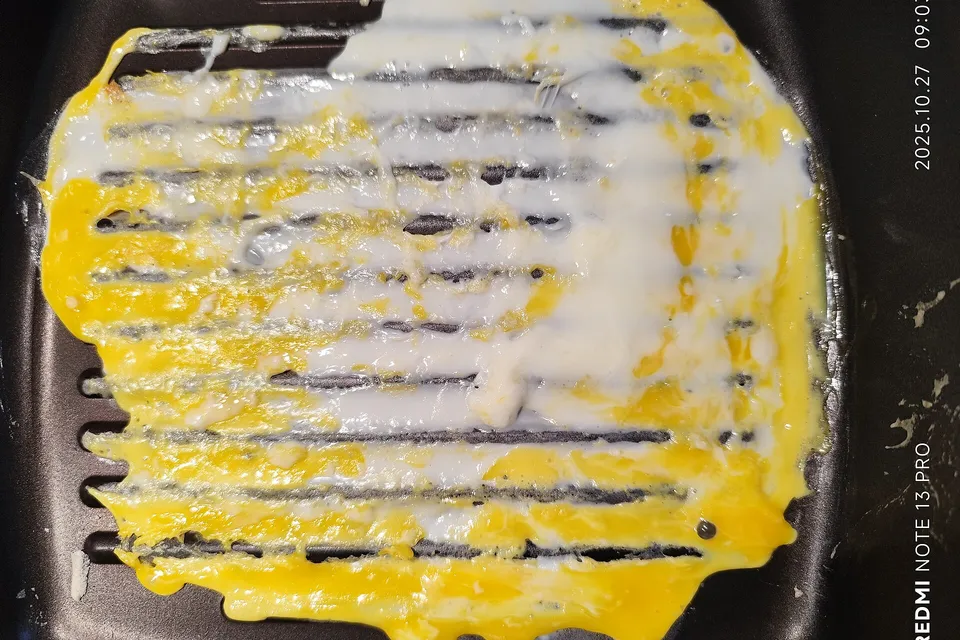
- Ceramic-coated pans: metal pans with a silica-based nonstick coating, usually made without PTFE. Safe to use gently, but the nonstick wears faster than PTFE.
- Solid ceramic or stoneware: fully ceramic bakeware and pots. Safe when the glaze is made for food use; avoid old or decorative pieces with unknown glazes.
Ceramic cookware has become one of the most popular "non-toxic" choices, with colorful pans promising easy nonstick cooking without PTFE. But many shoppers aren't sure what ceramic cookware actually is, whether it's really safer than traditional nonstick, and how long it lasts. The answer depends on which kind of ceramic you're buying and how you use it.
This guide explains the difference between ceramic-coated and solid ceramic cookware, safety considerations, how ceramic compares with PTFE nonstick, stainless steel and cast iron, how to make it last and when to replace it.
What's the difference between ceramic-coated and solid ceramic?
| Ceramic-coated | Solid ceramic / stoneware | |
|---|---|---|
| Construction | Aluminum or steel pan with a sol-gel coating | Clay fired and glazed |
| Use | Stovetop frying and sautéing | Oven baking, some stovetop models |
| Nonstick | Yes, when new | Partly, depending on glaze |
| Lifespan | Often 1–3 years of regular use | Many years if not dropped |
| Main concern | Coating wears or chips | Glaze quality; can crack with temperature shock |
Is ceramic-coated cookware safe?
Ceramic sol-gel coatings are silica-based and are usually made without PTFE, which is why they're marketed as PFAS-free. Used at low to medium heat and in good condition, they're considered a reasonable choice for people who want nonstick without PTFE. The main practical drawbacks are durability, since the coating loses its slickness over time, and chipping if handled roughly. The EPA explains why many people want to reduce PFAS exposure. See PFAS-free cookware.
Is solid ceramic cookware safe?
Ceramic bakeware and stoneware made for food use are a long-standing, safe option. The concern is with some old, imported or handmade decorative pieces whose glazes may contain lead or cadmium. Buy cookware intended for cooking from reputable sellers, and use decorative ceramics only for display unless they're labeled food-safe. The FDA regulates materials intended to contact food.
How does ceramic compare with other cookware?
| Cookware | PFAS | Nonstick | Lifespan | High heat |
|---|---|---|---|---|
| Ceramic-coated | Usually none | Good when new | Short to medium | Low to medium only |
| PTFE nonstick | Yes (PTFE) | Excellent | A few years | Low to medium only |
| Stainless steel | None | No; technique needed | Decades | Yes |
| Cast iron | None | Good when seasoned | Generations | Yes |
| Enameled cast iron | None | Moderate | Many years | Medium-high |
See cast iron vs nonstick and is stainless steel cookware safe?
How do you make ceramic-coated pans last longer?
- Cook at low to medium heat; ceramic coatings hate high heat.
- Add a little oil or butter; don't rely on the coating alone.
- Avoid aerosol cooking sprays, which leave residue that ruins the slickness.
- Use wooden or silicone utensils.
- Let pans cool before washing to avoid thermal shock.
- Hand wash with a soft sponge.
- Store with pan protectors or a towel between stacked pans.
When should you replace a ceramic pan?
- The coating is chipped or worn through to the metal.
- Food sticks even with oil at moderate heat.
- The surface is rough or discolored and won't clean up.
- The pan is warped.
Many people keep one small ceramic pan just for eggs and use stainless or cast iron for everything else, which makes the coating last much longer.
Can you restore a sticky ceramic pan?
Sometimes. Residue from oil or sprays can build up and make a pan feel sticky. A paste of baking soda and water, gently rubbed with a soft sponge, can remove buildup and bring back some slickness. Once the coating itself is worn, though, it can't be restored.
What about plastic in food prep?
Choosing ceramic over PTFE is often part of a bigger effort to make the kitchen less toxic. Prep tools matter too: a 2023 study in Environmental Science & Technology estimated that chopping on plastic boards can release tens of grams of microplastics per person per year.
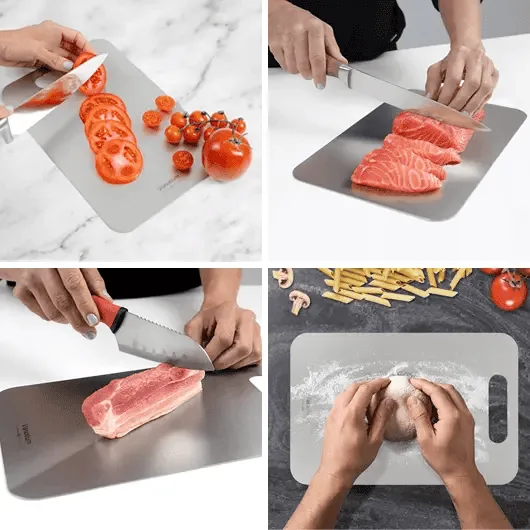
Vanotium is a titanium cutting board with a non-porous surface that sheds no plastic, doesn't hold juices or odors and goes in the dishwasher. In October 2026 it cost $66.66 for one board or $42.77 each in a four-pack, with a 30-day guarantee. Read our Vanotium review (4.6/5).

A plastic-free board for your ceramic kitchen
Vanotium titanium cutting board: no plastic, non-porous, dishwasher-safe. From $42.77 per board in multi-packs, with a 30-day guarantee.
Check today's Vanotium price →Ships in 5–7 days with tracking · 30-day guarantee
Can ceramic cookware go in the dishwasher?
Solid ceramic bakeware usually can. Many ceramic-coated pans say dishwasher-safe, but harsh detergents and heat wear the coating faster. Hand washing is the best way to extend its life. See is nonstick bakeware safe?
Is ceramic cookware oven-safe?
Solid ceramic and stoneware are made for the oven. Ceramic-coated pans often are oven-safe to a certain temperature, but handles and lids may have lower limits. Check the manufacturer's instructions, and avoid moving ceramic dishes directly from the fridge to a hot oven.
What should you look for when buying?
- A clear description of the coating and what it's made without.
- A heavy, flat base that won't warp.
- Oven-safe handles if you plan to finish dishes in the oven.
- Food-safe glaze statements for solid ceramic.
- Realistic expectations about how long the nonstick lasts.
Which ceramic myths can you ignore?
- "Ceramic pans are solid ceramic." Most are metal pans with a coating.
- "Ceramic nonstick lasts forever." It usually wears faster than PTFE.
- "Any ceramic dish is safe to cook in." Use pieces made for food; avoid unknown decorative glazes.
- "High heat is fine because it's ceramic." Coatings perform best at low to medium heat.
Is ceramic good for eggs?
Ceramic-coated pans are at their best with eggs, pancakes and delicate fish at low to medium heat. Add a small knob of butter or a little oil, let the pan warm gently and avoid high heat. Using one small ceramic pan only for eggs keeps the coating slick much longer than using it for everything.
Why does high heat ruin ceramic coatings?
Ceramic sol-gel coatings are thin, and repeated high heat and rapid temperature changes can make them lose their slickness, discolor or develop micro-cracks. Searing steaks or stir-frying at full heat is better done in stainless steel, cast iron or carbon steel. Keep the ceramic pan for gentle jobs.
How do you care for stoneware bakeware?
Let stoneware come to room temperature before it goes into a hot oven, avoid putting a hot dish on a cold, wet surface and don't use it under the broiler unless the maker allows it. Many stoneware pieces develop a natural patina over time that improves release. Wash with warm water and a soft brush; soak to loosen baked-on food.
Should you use vintage ceramic dishes?
Older and imported ceramic pieces, especially brightly glazed or decorative ones, can sometimes contain lead in the glaze. If you're unsure, use them for display or dry foods only, or check them with a home lead test kit. New cookware sold for food use in the US is regulated for food contact.
Is ceramic cookware worth the money?
Ceramic-coated pans are affordable and give PTFE-free nonstick, but they need replacing more often. Solid ceramic bakeware lasts many years and is good value. For a mostly coating-free kitchen, many people combine a ceramic egg pan with stainless steel and cast iron for everything else. See PFAS-free cookware.
Why does a new ceramic pan smell when heated?
A faint smell on first use can come from manufacturing residue. Wash the pan before first use, heat it gently with a little oil and wipe it out. If strong smells continue at normal temperatures, contact the manufacturer.
Do ceramic pans need seasoning?
Most don't, but some makers suggest rubbing in a little oil before first use. Follow the instructions; seasoning won't restore a worn coating.
Is ceramic bakeware good for baking?
Yes. It holds heat evenly, which is ideal for casseroles, gratins, pies and baked desserts, and it looks nice enough to serve from the oven to the table.
Are expensive ceramic pans better?
Pricier pans often have thicker bases and better handles, which help with even heating and durability, but every ceramic coating eventually wears. Care matters as much as price.
Can you mix ceramic with other cookware?
Yes. A small ceramic pan for eggs plus stainless and cast iron for everything else is a balanced, mostly coating-free kitchen.
Related reading: is nonstick bakeware safe? and cast iron vs nonstick.
How should you store ceramic pans?
Stack ceramic-coated pans with a soft pan protector, a dish towel or a paper towel between them so the rim of one pan does not scratch the coating of another. Hanging them on a rail works well too.
The bottom line
Ceramic cookware is generally a safe choice: ceramic-coated pans offer PTFE-free nonstick for gentle cooking, and solid ceramic bakeware is a long-lasting oven option when made for food use. Use low to medium heat, gentle tools and hand washing, and replace coated pans when they wear. For high-heat cooking, stainless steel and cast iron are the most durable coating-free options.
For a plastic-free board, our pick is Vanotium. Check today's Vanotium price and multi-pack deals.
Sources
- U.S. Environmental Protection Agency. PFAS Explained.
- U.S. Food and Drug Administration. Packaging & Food Contact Substances.
- Yadav H. et al. Cutting Boards: An Overlooked Source of Microplastics in Human Food? Environmental Science & Technology, 2023.
Frequently asked questions
Is ceramic cookware safe?
Ceramic-coated pans are generally PTFE-free and safe when used at moderate heat and replaced when worn.
Is ceramic cookware non-toxic?
Most ceramic coatings don't use PTFE. Check for clear PFAS-free claims.
How long does ceramic nonstick last?
Often one to three years, depending on heat and care.
Can ceramic pans go in the dishwasher?
Hand washing helps the coating last longer, even if the label says dishwasher-safe.
What heat should I use?
Low to medium heat. High heat shortens coating life.
Is solid ceramic different from ceramic-coated?
Yes. Solid ceramic is fired clay or stoneware; coated pans are metal with a ceramic layer.

Michelle Hert
Michelle is a home cook who cooks for a family every day and spends a lot of her free time reading the research behind the products that end up in our kitchens. She started Less Plastic Kitchen after the 2023 cutting board study made her look twice at the scratched plastic board on her own counter. Her guides are built on published studies, manufacturer specifications and verified buyer feedback, and she updates them when new information comes out. More about Michelle.