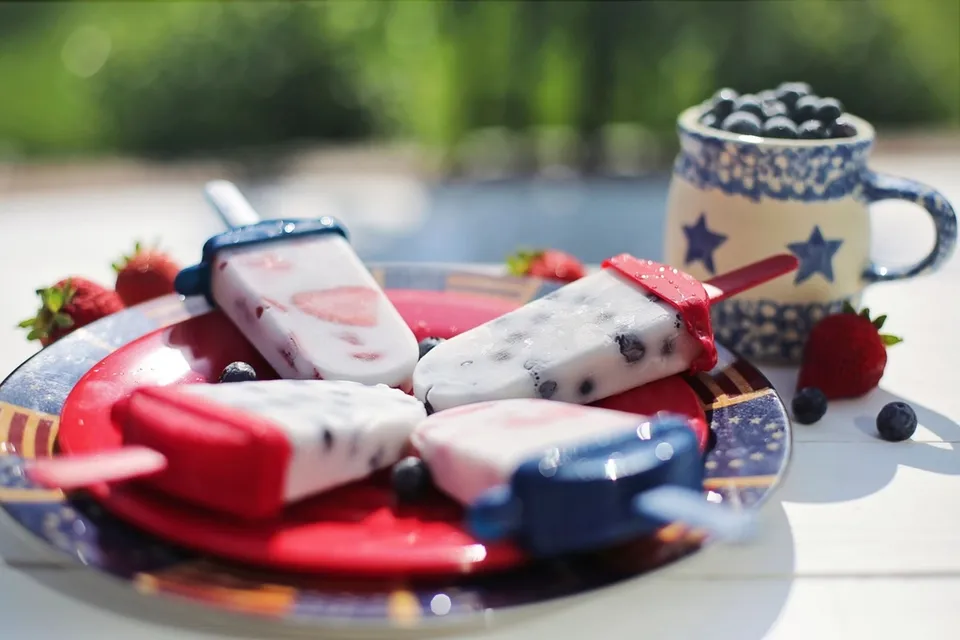
- Fine: picnics, outdoor dining, kids' plates for cold or room-temperature food.
- Avoid: microwaving, serving very hot or acidic food, cooking or reheating in melamine.
- Replace melamine dishes that are scratched, cracked or worn.
Melamine dinnerware is everywhere: colorful picnic plates, kids' bowls, outdoor tableware, serving trays and some "bamboo" dishes. It's lightweight, almost unbreakable and inexpensive, which makes it popular for families and outdoor dining. But it's also a type of plastic resin, and many people wonder whether it's safe to eat from.
This guide explains what melamine is, what the FDA and Germany's Federal Institute for Risk Assessment (BfR) say, when melamine is safe and when it isn't, the truth about "bamboo" melamine and the best alternatives for hot food and the microwave.
What is melamine dinnerware?
Melamine dinnerware is made from melamine-formaldehyde resin, a hard thermoset plastic. Melamine and formaldehyde are combined under heat and pressure to form a tough, glossy material that holds color well. Once molded, it's very durable at normal temperatures. The concern is that, under heat and acidic conditions, small amounts of melamine and formaldehyde can migrate from the dish into food.
What does the FDA say?
The FDA says melamine tableware is safe to use, but advises consumers not to heat food in melamine dishes in the microwave. Use microwave-safe glass or ceramic instead. The FDA's testing found that melamine can migrate into food, especially acidic foods at high temperatures, though the amounts at normal use were far below levels of concern.
What does the BfR say?
Germany's BfR advises that melamine-formaldehyde tableware and kitchen utensils should not be exposed to temperatures above 70°C (about 158°F). It recommends not using them in the microwave, not using melamine cooking utensils in hot pans, and not filling them with very hot food or drinks, because higher temperatures increase migration of melamine and formaldehyde.
When is melamine safe and when isn't it?
| Use | Safe? | Notes |
|---|---|---|
| Cold or room-temperature food | Yes | Salads, sandwiches, fruit, snacks |
| Picnics and outdoor dining | Yes | Its main strength: unbreakable |
| Warm (not hot) food | Generally yes | Let very hot food cool first |
| Very hot soup, coffee or tea | Not ideal | Use ceramic or glass |
| Hot, acidic food (tomato sauce, citrus) | Avoid | Heat plus acid increases migration |
| Microwave | No | FDA advises against it |
| Melamine spatulas in hot pans | No | BfR advises against it |
What about "bamboo" dinnerware?
Many products sold as bamboo dinnerware are actually bamboo fibers mixed with melamine-formaldehyde resin. European authorities have warned that these products can release more melamine and formaldehyde than pure melamine products when heated, and several were removed from the EU market. If a bamboo plate feels smooth and glossy like plastic, it likely contains melamine resin. Solid wood or bamboo plates without resin are different, but they're less common.
Is melamine safe for kids?
Melamine kids' dishes are popular because they don't break. They're fine for cold and room-temperature meals. For hot meals, let food cool before serving it in melamine, never microwave the dish and replace plates and bowls that are scratched or worn. Stainless steel kids' plates and bowls are an unbreakable, plastic-free alternative that can handle hot food. See microplastics in baby bottles.
Can melamine go in the dishwasher?
Most melamine is labeled dishwasher-safe, usually on the top rack. Over many cycles, however, high heat and harsh detergents can dull and scratch the surface. Scratched, faded or cracked melamine should be replaced, because worn surfaces may release more material.
What are the best alternatives?
| Material | Hot food | Microwave | Unbreakable? |
|---|---|---|---|
| Stainless steel | Yes | No | Yes |
| Tempered glass | Yes | Yes | Durable |
| Ceramic / stoneware | Yes | Yes | Can chip |
| Enamelware | Yes | No | Can chip |
| Solid wood (no resin) | Warm food | No | Durable |
For storage, see glass vs plastic food containers and how to store food without plastic.
What about melamine cooking utensils?
Melamine spatulas and spoons look like heat-resistant plastic, but the BfR advises against using them in hot pans, because high temperatures can increase migration of melamine and formaldehyde. Wood, stainless steel and high-quality silicone utensils are better choices for cooking. See are plastic cooking utensils safe? and is silicone safe?
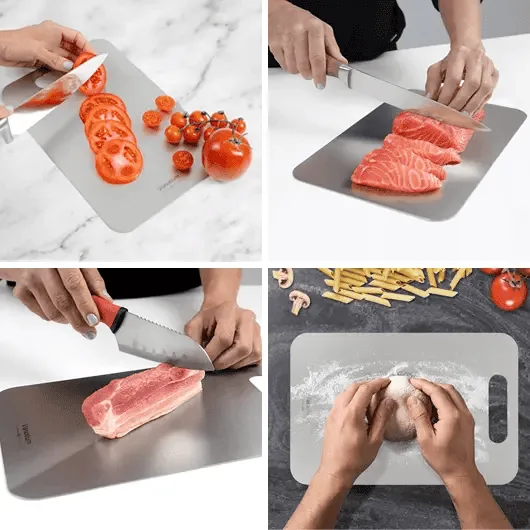
What about prep for picnics and barbecues?
Melamine is most common at picnics and cookouts, where lots of chopping happens too: burgers, vegetables for the grill, salads and fruit. A 2023 study in Environmental Science & Technology found that chopping on plastic boards releases microplastics with every cut.
Vanotium is a titanium cutting board with a non-porous surface that sheds no plastic, doesn't hold juices or odors, is waterproof, fast-drying and dishwasher-safe, and resists scratches and warping. It's lightweight, which makes it easy to carry outdoors, and heat-resistant enough to rest a hot pan on. In October 2026 it was $66.66 for one board, $116.66 for two or $42.77 each in a four-pack, with a 30-day guarantee. Read our Vanotium review (4.6/5).

A plastic-free board for every season
Vanotium titanium cutting board: lightweight, non-porous, dishwasher-safe and sheds no plastic. From $42.77 per board in multi-packs, with a 30-day guarantee.
Check today's Vanotium price →Ships in 5–7 days with tracking · 30-day guarantee
Which tips help you use melamine safely?
- Never microwave food in melamine.
- Let hot food cool before serving it on melamine.
- Avoid hot, acidic dishes like tomato sauces and citrus on melamine.
- Use melamine mostly for cold food, snacks and outdoor dining.
- Replace scratched, faded or cracked pieces.
- Don't use melamine utensils in hot pans.
How can you tell if a dish is melamine?
Melamine dishes are light, glossy, hard and often brightly colored or patterned. Many have "melamine" printed on the bottom, sometimes with a "not microwave-safe" symbol. If a plate looks like ceramic but feels light and doesn't break when dropped, it's probably melamine. "Bamboo" plates that feel smooth and glossy are usually bamboo fiber mixed with melamine resin.
Is melamine the same as other plastics?
Melamine is a thermoset plastic: once molded, it doesn't melt like the thermoplastics used in bottles and takeout containers. That makes it harder and more heat-resistant than many plastics, but it can still release melamine and formaldehyde under heat and acid. It's different from microplastic shedding, but the same principle applies: avoid heat with plastic. See are plastic takeout containers safe?
Should you throw away your melamine dishes?
No need. Melamine is useful for picnics, camping, pool parties and toddlers learning to eat. Keep it for those uses, follow the rules above, and choose glass, ceramic or stainless steel for hot meals and the microwave. When pieces wear out, consider replacing them with stainless steel, which is equally unbreakable and handles heat.
What's best for camping and travel?
Outdoor trips are where melamine shines, because it's light and won't shatter. For hot camp meals, though, enamelware and stainless steel are better: they can go near a fire, hold hot food without concern and last for decades. Many campers use stainless steel plates and cups for hot meals and keep melamine for cold snacks and salads.
What about melamine in restaurants and cafeterias?
Many restaurants, school cafeterias and hospitals use melamine trays, bowls and plates because they're durable and affordable. Food is usually served on them rather than cooked in them, which limits heat exposure, but very hot soups or acidic sauces can sit in melamine bowls for a while. You can't control commercial kitchens, but at home you can choose ceramic or glass bowls for hot soups and keep melamine for cold sides. If your child's school uses melamine, packing hot meals in an insulated stainless steel food jar is a simple alternative.
What should you look for when buying outdoor dinnerware?
For a durable outdoor set, look for clear labeling about the material and its limits, such as "not microwave-safe" or the maximum temperature. Avoid "bamboo" products that don't explain how the fibers are bound together, since many are mixed with melamine resin. If you want dishes that handle hot food outdoors, stainless steel and enamelware are reliable choices that last for many seasons. Lightweight tempered glass plates are another option for patios where breakage is less of a concern.
Can you store food in melamine?
For short-term, cold storage, like covering a bowl of fruit, melamine is fine. For leftovers, especially hot or acidic ones, glass containers are better: they're microwave-safe and don't react with food.
How do you clean melamine without damaging it?
Wash melamine with a soft sponge and mild dish soap, and avoid abrasive pads and scouring powders, which scratch the glossy surface. Stubborn stains usually lift with a paste of baking soda and water.
The bottom line
Melamine dishes are safe for serving cold and warm food, but not for the microwave, cooking or very hot and acidic foods, because heat increases migration of melamine and formaldehyde. Use it mainly for picnics and kids' cold meals, replace worn pieces and choose glass, ceramic or stainless steel for hot food. And make prep plastic-free too.
Ready for a plastic-free board? We recommend Vanotium. Check today's Vanotium price and multi-pack deals.
Sources
- U.S. Food and Drug Administration. Melamine tableware: questions and answers.
- German Federal Institute for Risk Assessment (BfR). Questions and answers on tableware and kitchen utensils made of melamine-formaldehyde resin.
- Yadav H. et al. Cutting Boards: An Overlooked Source of Microplastics in Human Food? Environmental Science & Technology, 2023.
Frequently asked questions
Is melamine safe to eat from?
Yes, for cold and warm food. Avoid the microwave and very hot or acidic food.
Can you microwave melamine?
No. The FDA advises against heating food in melamine dishes in the microwave.
What temperature is safe for melamine?
The BfR advises not exposing melamine-formaldehyde tableware to temperatures above 70°C (about 158°F).
Are bamboo plates safe?
Many 'bamboo' plates contain melamine resin and may release more when heated, so avoid hot food in them.
Is melamine safe for kids?
For cold and room-temperature meals, yes. Let hot food cool and replace worn dishes.
What's a good alternative to melamine?
Stainless steel for unbreakable dishes, glass or ceramic for hot food and the microwave.

Michelle Hert
Michelle is a home cook who cooks for a family every day and spends a lot of her free time reading the research behind the products that end up in our kitchens. She started Less Plastic Kitchen after the 2023 cutting board study made her look twice at the scratched plastic board on her own counter. Her guides are built on published studies, manufacturer specifications and verified buyer feedback, and she updates them when new information comes out. More about Michelle.