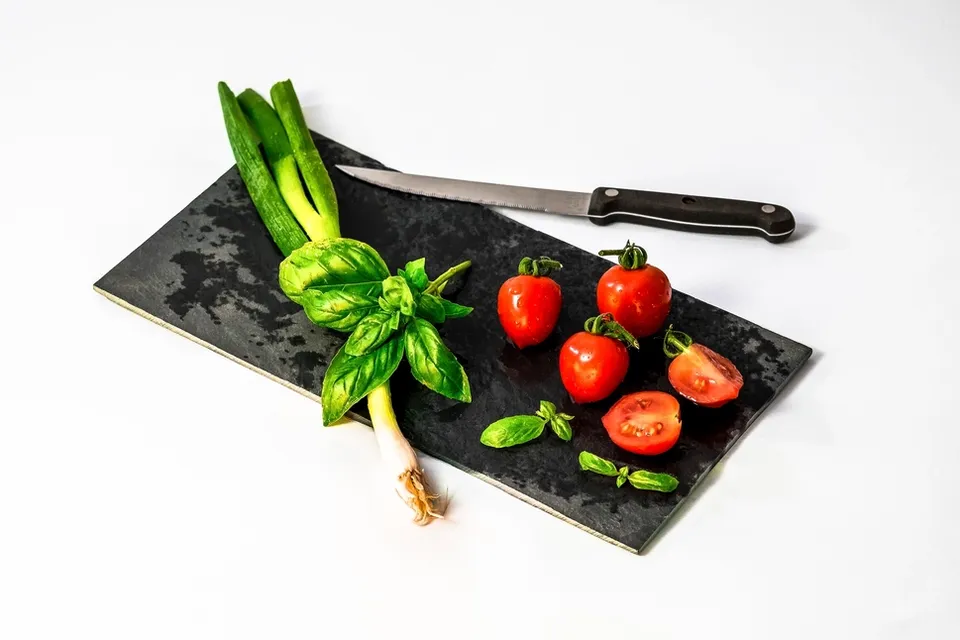
- Magnetic strip: saves counter space and keeps blades dry; place the spine on first.
- Knife block: safe and stable; only insert completely dry knives and clean the slots.
- In-drawer knife dock: hides knives, protects edges and is safer around kids.
- Blade guards: for knives in drawers, travel or camping.
- Never loose in a drawer: edges dull and you risk cuts reaching in.
- Never in the sink or dish rack where someone can grab the blade.
A good knife can last for decades, but only if it's stored well. Many knives end up tossed in a drawer with forks, peelers and scissors, where the edge bangs against metal every time the drawer opens. That dulls even an expensive blade in weeks, and it's one of the most common ways people cut themselves in the kitchen: reaching blindly into a drawer full of loose knives. How you store knives affects their sharpness, your safety, hygiene and how long the handles and blades last. This guide compares magnetic strips, knife blocks, in-drawer docks and blade guards, explains hygiene and drying, child safety, storing knives in small kitchens and the mistakes to avoid.
In this guide:
- why storage matters
- magnetic strips, blocks and drawer docks compared
- blade guards and travel
- hygiene and drying
- safety with kids
- common mistakes
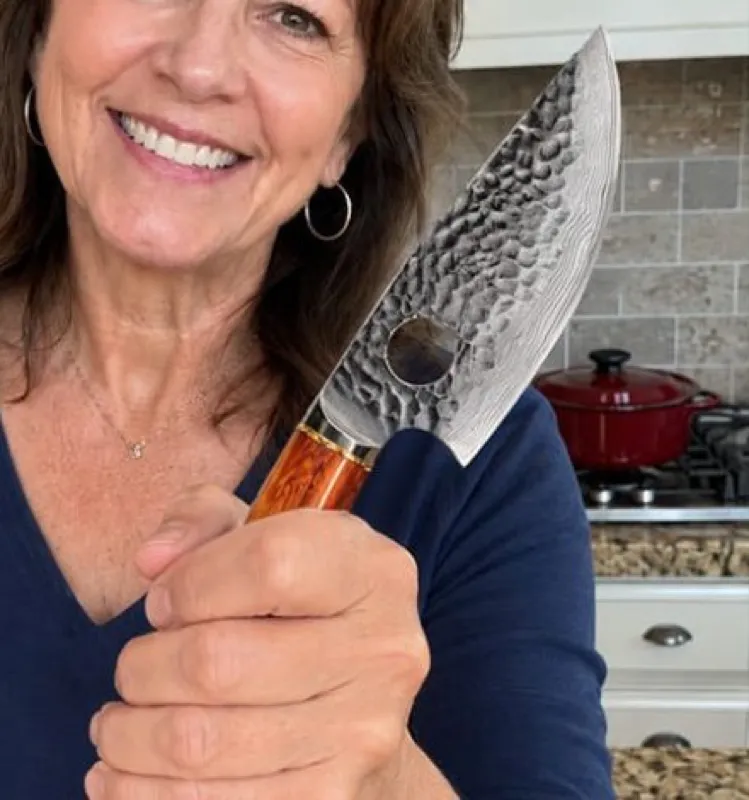
Pair it with: the Matsato Osuren chef knife
Hammered Japanese-style steel blade with a 12° edge, a finger hole for control and a pakka and acacia wood handle. $29.95 for one, or $19.98 each in the 4-pack.
Check today's Matsato price →60-day money-back guarantee · free recipe book with your order
Why does knife storage matter?
- Sharpness: the edge is microscopically thin; contact with metal, ceramic or other blades rolls or chips it.
- Safety: loose knives in drawers and sinks cause cuts.
- Hygiene: damp, enclosed slots can grow bacteria and mold.
- Longevity: moisture causes spots and rust, even on some stainless steels.
- Convenience: a knife that's easy to grab gets used correctly.
Which storage option is best?
| Option | Pros | Cons |
|---|---|---|
| Magnetic strip | Saves space, airy, knives visible and handy | Needs wall space; careless placing can nick edges |
| Knife block | Safe, stable, on the counter | Slots hard to clean; takes counter space |
| Universal block (bristles or rods) | Fits many blade shapes | Inserts need regular cleaning |
| In-drawer dock | Hidden, safer around kids, frees counters | Needs a suitable drawer |
| Blade guards | Cheap, great for drawers and travel | Must be clean and dry inside |
| Loose in a drawer | None | Dull edges, cut risk |
How do you use a magnetic strip correctly?
- Place the spine on first, then roll the blade flat against the strip, so the edge doesn't snap onto metal.
- To remove, tilt the spine away first and lift; don't slide the edge across the strip.
- Choose a wood-faced or covered strip; it's gentler than bare metal.
- Mount it high, out of kids' reach, and not directly above the stove, where grease and steam rise.
- Only hang dry knives.
- Check the magnet strength holds your heaviest knife firmly.
Are knife blocks hygienic?
Knife blocks are safe and convenient, but their narrow slots are hard to clean. Putting damp knives in creates perfect conditions for bacteria and mold. Only insert knives that are completely dry, turn the block upside down now and then to shake out crumbs, and clean the slots with a narrow bottle brush and hot, soapy water. Let it dry fully, upside down, before using it again. Universal blocks with removable bristles or rods are easier to wash. Insert knives spine down where possible, so the edge doesn't drag on the wood. The USDA's food safety basics on cutting boards make the same point for wood surfaces: clean them well and let them dry completely.
Pair it with: the Matsato Osuren chef knife
Hammered Japanese-style steel blade with a 12° edge, a finger hole for control and a pakka and acacia wood handle. $29.95 for one, or $19.98 each in the 4-pack.
Check today's Matsato price →60-day money-back guarantee · free recipe book with your order
When is an in-drawer dock the best choice?
In small kitchens with little counter space, or in homes with young children, a drawer dock is often ideal. Each knife lies in its own slot, the edge touches nothing and counters stay clear. Measure your drawer and blade lengths first, and choose a dock you can lift out and wash. See cutting boards for small kitchens for more space-saving ideas.
When do you need blade guards?
Blade guards, also called edge guards or sayas, protect the edge when a knife goes in a drawer, a knife roll, a picnic basket or a moving box. They should fit snugly so the knife can't slide out, and stay clean and dry inside. Never sheath a wet knife.
How do you keep stored knives hygienic?
- wash knives by hand right after use with warm water and dish soap
- dry with a clean towel, wiping from spine to edge, never along the edge
- only then put them away
- clean blocks, docks and strips regularly
- don't leave knives soaking in the sink
Avoid the dishwasher: heat, harsh detergent and rattling against other items damage blades and handles. See Matsato Osuren knife care.
How do you store knives safely around kids?
- mount magnetic strips high, out of reach
- use child locks on knife drawers
- push knife blocks to the back of the counter
- never leave knives at the edge of the counter or table
- teach older kids how to hold and pass a knife safely
For young cooks, see how to hold a chef knife.
Do different knives need different storage?
A little. Long chef knives and bread knives don't fit every block or dock. Small paring knives get lost in big slots. Thin Japanese-style blades are more sensitive to knocks than thicker Western blades and benefit from a wood strip or a blade guard. Ceramic knives are very sharp but brittle: a fall from a magnetic strip can break them, so a block or guard is safer. See Japanese vs German chef knives.
Does the cutting board matter too?
Yes. Even perfect storage can't save an edge that's dulled on a glass or stone board. Wood is the gentlest; titanium is harder than wood and best for quick jobs and raw proteins. See do titanium cutting boards dull knives?
What mistakes should you avoid?
- tossing knives loose in the utensil drawer
- putting wet knives in a block or guard
- sliding the edge across a magnetic strip
- running good knives through the dishwasher
- leaving knives in the sink or dish rack
- never cleaning the knife block
- keeping the block next to the stove
Where does the Matsato Osuren fit in?
The Matsato Osuren is a Japanese-style chef knife with a hammered blade, a 12° edge, a finger hole for control and a pakka and acacia wood handle. Thin, sharp edges benefit most from careful storage: a wood magnetic strip, a drawer dock or a blade guard. It's $29.95 for one, or $19.98 each in the 4-pack, with a 60-day money-back guarantee. Read our Matsato Osuren review.
How does storage affect sharpening?
Knives stored well need sharpening less often. Regular honing with a ceramic rod straightens the edge between sharpenings, and sharpening a few times a year restores it. See how to sharpen a chef knife and knife sharpening angles.
Which knives does a home kitchen really need?
Most home cooks can do nearly everything with three knives: a chef knife for chopping, a paring knife for small jobs and a serrated bread knife. Fewer knives make storage simpler and keep counters clear. Wikipedia's overview of the kitchen knife describes the common types and their uses. If you're choosing between styles, see chef knife vs santoku.
How do you deep clean a knife block?
- remove all knives
- turn the block over the sink and tap out crumbs
- scrub the slots with a narrow bottle brush and hot, soapy water
- rinse quickly without soaking the wood
- let it dry upside down on a towel for at least a day
- wash removable rods or bristles separately and dry them fully
Do this once or twice a year. If the block smells musty or shows mold, replace it.
What works best in a small kitchen?
In a small kitchen, a magnetic strip on the wall or the side of a cabinet takes no counter space and keeps the most-used knives within reach. An in-drawer dock is the next best option. If you own only two or three knives, individual blade guards in a drawer work fine. Fewer, better knives are easier to store and care for.
How do you carry knives safely?
For picnics, vacation rentals or cooking classes, put each knife in a blade guard or a knife roll with separate pockets. Never wrap knives only in a dish towel, which can slip open. In the car, put the roll where it can't slide around if you brake suddenly.
Where should you keep a honing rod?
Keep the honing rod right next to your knives, on the magnetic strip or in the block, so it's easy to give the edge a few strokes before cooking. A ceramic rod is gentler than a ridged steel for thin Japanese-style knives. Regular honing means you'll sharpen less often, and knives stored well stay aligned longer between sessions.
When should you replace a block or guard?
Replace a knife block that smells musty after cleaning, shows mold or has cracks where moisture collects. Swap out blade guards that no longer hold the knife firmly, and magnetic strips that let knives slip.
The bottom line
To store knives safely:
- use a magnetic strip, knife block or drawer dock, never a loose drawer
- place knives on a magnetic strip spine first
- put away only dry knives and clean blocks and docks regularly
- use blade guards for drawers and travel
- keep knives out of children's reach
The Matsato Osuren has a 12° edge, $29.95 or $19.98 each in the 4-pack, with a 60-day money-back guarantee.
Pair it with: the Matsato Osuren chef knife
Hammered Japanese-style steel blade with a 12° edge, a finger hole for control and a pakka and acacia wood handle. $29.95 for one, or $19.98 each in the 4-pack.
Check today's Matsato price →60-day money-back guarantee · free recipe book with your order
Frequently asked questions
What is the safest way to store kitchen knives?
On a magnetic strip, in a knife block or in an in-drawer dock, so the edge doesn't touch anything.
Are magnetic knife strips bad for knives?
Not if you place the spine on first and lift it off rather than sliding the edge. Wood-faced strips are gentlest.
Are knife blocks unsanitary?
They can be if wet knives go in. Only insert dry knives and clean the slots regularly.
Why shouldn't you keep knives in a drawer?
Loose blades knock against other utensils, dull quickly and cause cuts when you reach in.
Can good knives go in the dishwasher?
It's best not to. Heat, detergent and rattling damage blades and handles.
How do you store knives with kids at home?
Mount strips high, lock knife drawers and keep blocks at the back of the counter.

Michelle Hert
Michelle is a home cook who cooks for a family every day and spends a lot of her free time reading the research behind the products that end up in our kitchens. She started Less Plastic Kitchen after the 2023 cutting board study made her look twice at the scratched plastic board on her own counter. Her guides are built on published studies, manufacturer specifications and verified buyer feedback, and she updates them when new information comes out. More about Michelle.