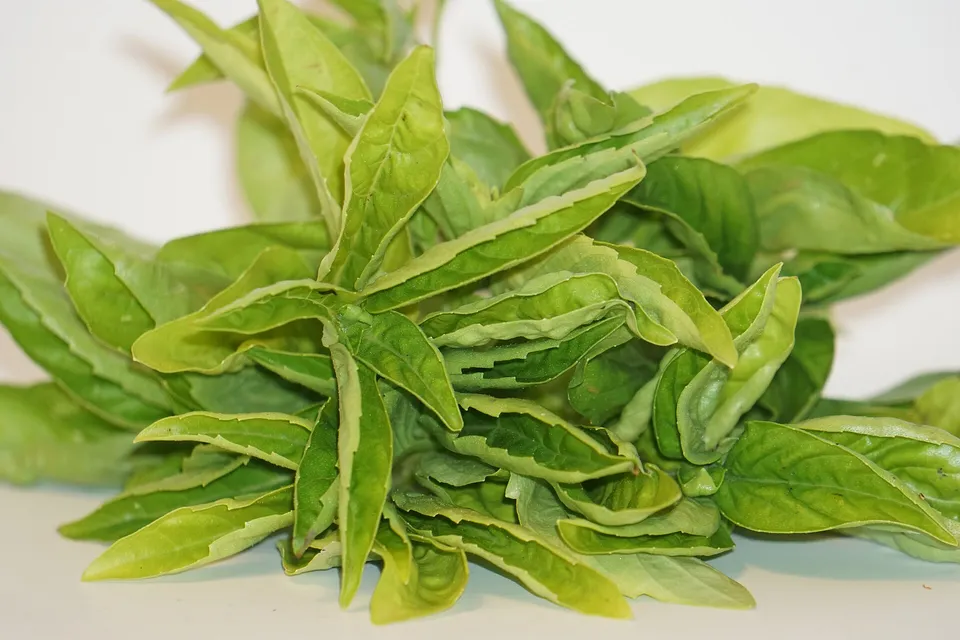
- Wash just before using, not before storing.
- Fill a bowl with cool water and submerge the herbs.
- Swish gently for 30 seconds to loosen dirt and sand.
- Lift the herbs out so grit stays at the bottom; repeat if the water is dirty.
- Dry well in a salad spinner or by rolling them in a clean towel.
- Pick off leaves or chop as needed.
Fresh herbs make holiday cooking: parsley and sage in the stuffing, rosemary and thyme on the turkey, chives on the potatoes and dill or cilantro for a fresh finish. But herbs grow close to the soil, and their leaves trap sand, grit and sometimes tiny insects. Parsley and cilantro in particular are known for gritty stems. At the same time, herbs are delicate: wash them roughly and you'll bruise leaves, turn basil black or leave them too wet to chop. This guide explains the best way to wash soft and woody herbs, how to dry them, how to deal with gritty bunches, when to wash, how to store herbs so they last longer and the mistakes that make them wilt.
In this guide:
- why herbs need washing
- soft vs woody herbs
- step-by-step washing
- drying herbs properly
- storage tips
- common mistakes
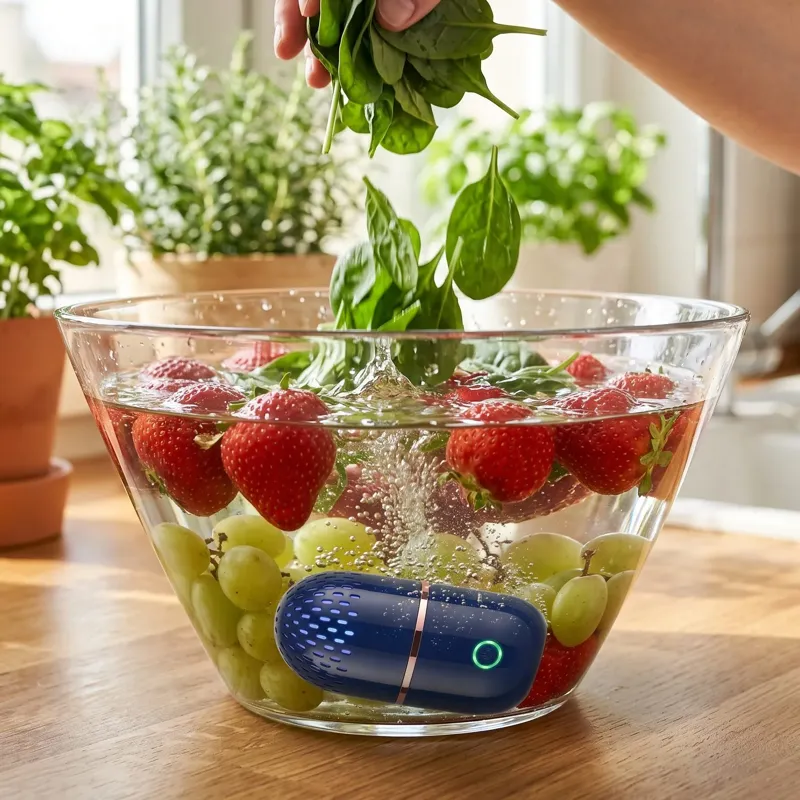
Our pick for washing produce: PodBloom
A wireless, IPX7-waterproof purifier that sits in a bowl of water and runs a 10-minute electrolysis cycle for fruit and vegetables. No soap, no refills. $59.95, or $35.98 each in the 3-pack.
Check today's PodBloom price →30-day money-back guarantee · wireless charging base included
Why should you wash fresh herbs?
- herbs grow close to the ground, so soil and sand splash onto leaves
- bunches are handled at farms, packing houses and stores
- small insects can hide in curly parsley and dill
- herbs are often eaten raw as a garnish
The FDA advises washing produce under running water before eating, cutting or cooking. Its 7 tips for cleaning fruits and vegetables apply to herbs too.
How are soft and woody herbs different?
| Type | Examples | Washing |
|---|---|---|
| Soft, leafy herbs | Basil, cilantro, parsley, dill, mint, chives, tarragon | Gentle soak and swish; dry carefully |
| Woody herbs | Rosemary, thyme, sage, oregano, bay | Quick rinse under running water; shake dry |
How do you wash soft herbs step by step?
- Untie the bunch and remove yellow or slimy leaves.
- Fill a large bowl with cool water.
- Submerge the herbs and swish gently.
- Let them sit for a minute so grit sinks.
- Lift them out with your hands; don't pour them into a colander with the dirty water.
- Repeat with fresh water if you see sand at the bottom.
- Dry in a salad spinner or on a towel.
Our pick for washing produce: PodBloom
A wireless, IPX7-waterproof purifier that sits in a bowl of water and runs a 10-minute electrolysis cycle for fruit and vegetables. No soap, no refills. $59.95, or $35.98 each in the 3-pack.
Check today's PodBloom price →30-day money-back guarantee · wireless charging base included
How do you wash woody herbs?
Hold the bunch under cool running water, turning it so water reaches all sides, then shake gently and pat dry. Woody stems are sturdy, so a quick rinse is usually enough. Strip leaves from rosemary and thyme by running your fingers down the stem against the direction of growth.
How do you dry herbs properly?
- Salad spinner: the fastest way for soft herbs; spin in short bursts
- Towel roll: lay herbs on a clean kitchen towel, roll it up loosely and press gently
- Air-dry: spread on a towel for 15 to 30 minutes
Dry herbs chop more cleanly and don't turn mushy. Wet herbs also dilute dressings and sauces.
What about very gritty herbs like cilantro and parsley?
Cilantro and flat-leaf parsley often carry sand in the stems. Trim the ends, soak in a big bowl of water and swish well. Lift out and repeat until no grit settles at the bottom, sometimes two or three times. Curly parsley traps more water and grit, so give it a good swish and a thorough spin.
Should you use vinegar or produce wash?
Plain water is enough for most herbs. Vinegar can affect the flavor of delicate herbs and adds little. Never use soap or detergent. For more on produce cleaners, see do produce washes work? and PodBloom vs a vinegar soak.
Should you wash herbs before storing?
Usually no. Moisture makes herbs slimy and moldy faster. Store them unwashed and wash right before using. If you do wash ahead for a recipe the next day, dry them very well and wrap them in a dry towel.
How should you store fresh herbs?
| Herb | Best storage |
|---|---|
| Basil | On the counter, stems in a glass of water, like flowers; not in the fridge |
| Parsley, cilantro, dill, mint | Stems in a jar of water in the fridge, loosely covered |
| Rosemary, thyme, sage | Wrapped in a slightly damp towel in the fridge |
| Chives | Wrapped in a damp towel in a container in the fridge |
Glass jars and cloth wraps are easy plastic-free options. See how to store food without plastic.
How do you chop herbs without bruising them?
Use a very sharp knife and slice rather than crush. Stack basil leaves, roll them and slice thinly (chiffonade). For parsley and cilantro, gather leaves into a pile and rock the knife through. A dull knife bruises herbs and turns them dark. See how to sharpen a chef knife and the best cutting board for vegetables.
How do you wash herbs from the garden?
Garden herbs may have more soil and insects. Harvest in the morning, shake them outside and soak a little longer, swishing well. Check for small insects in curly leaves and repeat the soak if needed.
What mistakes should you avoid?
- washing before storing
- pouring herbs and dirty water into a colander together
- blasting delicate herbs with a strong tap
- leaving herbs wet before chopping
- refrigerating basil, which turns it black
- using soap
Where does PodBloom fit in?
Since soft herbs wash best with a soak, a bowl purifier fits easily into the routine. PodBloom is a wireless, IPX7-waterproof purifier that sits in a bowl of water and runs a 10-minute electrolysis cycle for fruit and vegetables, with no soap or refills. Lift the herbs out afterward, rinse and dry. It's $59.95, or $35.98 each in the 3-pack, with a 30-day money-back guarantee. Read our PodBloom review.
Which herbs show up most in holiday cooking?
- Sage: stuffing, brown butter and turkey rubs
- Rosemary and thyme: roasts, potatoes and gravy
- Parsley: garnish, stuffing and herb butter
- Chives: mashed potatoes and dips
- Dill: salmon, potato salad and dips
Wash woody herbs quickly under running water and soft herbs with a soak. For a turkey herb butter, dry herbs very well so the butter doesn't separate. Planning the whole meal? See Thanksgiving cutting board food safety.
What about microgreens and sprouts?
Microgreens are delicate and often sold ready to eat. Rinse them gently in a bowl of cool water if not labeled washed, lift out and spin dry very lightly. Sprouts need extra care because they grow in warm, humid conditions. The FDA's guide to selecting and serving produce safely covers sprouts and pre-washed greens.
How do you freeze fresh herbs?
- wash and dry the herbs well
- chop soft herbs or strip leaves from woody stems
- pack into ice cube trays and cover with olive oil or water
- freeze, then move cubes to a glass jar or container
- drop cubes straight into soups, sauces and pans
Frozen herbs lose their crisp texture but keep their flavor for cooking.
Can you dry fresh herbs at home?
Yes. Woody herbs like rosemary, thyme, sage and oregano dry well. Wash, dry thoroughly, tie small bunches and hang them upside down in a warm, dry, airy spot away from sunlight for one to two weeks. Store the dried leaves in glass jars. Soft herbs like basil and cilantro lose much of their flavor when dried, so freezing works better for them.
What about potted herbs?
Potted herbs from the store or a windowsill are cleaner than field-grown bunches but still collect dust and soil splashes. Snip what you need, rinse in a bowl of water and dry. Keep pots on a saucer and water at the soil, not over the leaves, to reduce splashing.
Can kids help wash herbs?
Yes. Swishing herbs in a bowl and spinning them dry is a great job for little helpers. Picking leaves off stems is another, and children are more likely to taste dishes they helped make. Give them a small bowl and a towel of their own.
Which board is best for herbs?
A clean board that hasn't just been used for raw meat. Wood is gentle on a sharp knife for fine chopping, and a non-porous board rinses clean of strong herbs like garlic chives and cilantro. Wipe the board between herbs if you don't want flavors to mix. See the best non-toxic cutting board.
How do you revive wilted herbs?
Trim the stems and stand soft herbs in a glass of cool water for 30 minutes, or soak limp leaves in ice water for a few minutes, then dry. They often perk right up. Herbs that are slimy or smell off should be composted.
Should you use herb stems?
Yes. Cilantro and parsley stems are full of flavor: chop them finely into salsas, soups and stuffing. Woody stems from rosemary and thyme can flavor stocks and roasts; remove them before serving.
The bottom line
To wash fresh herbs:
- soak soft herbs in cool water, swish and lift them out
- rinse woody herbs quickly under running water
- repeat for gritty cilantro and parsley
- dry well in a spinner or towel before chopping
- store unwashed and wash just before using
PodBloom runs a 10-minute soak cycle in a bowl of water, $59.95 or $35.98 each in the 3-pack, with a 30-day money-back guarantee.
Our pick for washing produce: PodBloom
A wireless, IPX7-waterproof purifier that sits in a bowl of water and runs a 10-minute electrolysis cycle for fruit and vegetables. No soap, no refills. $59.95, or $35.98 each in the 3-pack.
Check today's PodBloom price →30-day money-back guarantee · wireless charging base included
Frequently asked questions
What is the best way to wash fresh herbs?
Soak soft herbs in a bowl of cool water, swish gently, lift them out and dry. Rinse woody herbs quickly under running water.
How do you get sand out of cilantro?
Soak it in a big bowl of water, swish, lift it out and repeat until no grit settles at the bottom.
Should you wash herbs before storing them?
Usually no. Moisture makes them slimy faster. Wash right before using.
How do you dry herbs after washing?
Use a salad spinner or roll them loosely in a clean towel and press gently.
Should basil go in the fridge?
No. Keep basil on the counter with stems in a glass of water. Cold turns it black.
Can you wash herbs with vinegar?
Plain water is enough. Vinegar can affect the flavor of delicate herbs.

Michelle Hert
Michelle is a home cook who cooks for a family every day and spends a lot of her free time reading the research behind the products that end up in our kitchens. She started Less Plastic Kitchen after the 2023 cutting board study made her look twice at the scratched plastic board on her own counter. Her guides are built on published studies, manufacturer specifications and verified buyer feedback, and she updates them when new information comes out. More about Michelle.